

Machanical filter housing
What is Machanical Filter Housing
A mechanical filter housing is a device used to filter solid particles from fluids, such as oil, water, or air. It consists of a housing that contains a filter element (a porous medium that traps the particles), and a filter housing that provides a housing for the filter element. The filter housing may include various features to facilitate the cleaning or replacement of the filter element. The mechanical filter housing is typically used in industrial applications, where fluids are subjected to high-pressure or high-temperature conditions, and where the removal of solid particles is important to maintain the integrity of the fluid and prevent damage to the machinery or equipment. The mechanical filter housing may be designed to accommodate a wide range of flow rates and pressure conditions, and may include features such as bypass valves, pressure relief valves, and drain valves to facilitate the maintenance and cleaning of the filter element. The choice of a mechanical filter housing depends on the specific application, including the type of fluid being filtered, the flow rate and pressure conditions, and the desired performance and reliability.
Benefits of Machanical Filter Housing
Efficient Filtration
Mechanical filter housings are designed to remove contaminants effectively from fluids, such as water, oil, and air. The use of a high-efficiency filter media, combined with a precise filter element geometry, ensures that contaminants are effectively removed from the fluid.
Durability
Mechanical filter housings are typically made of a durable material, such as stainless steel or polypropylene, that can withstand the harsh conditions of industrial and commercial applications. This ensures that the filter housing can provide long-term performance and reliability.
Versatility
Mechanical filter housings can be customized to fit a wide range of applications and configurations, making them a versatile solution for various fluid filtration needs. The use of a modular design allows for easy installation, replacement, and maintenance of the filter media.
Reduced Maintenance
Mechanical filter housings typically require minimal maintenance, as the filter media can be easily replaced or cleaned. This reduces downtime and maintenance costs, while ensuring that the filter housing continues to provide optimal performance.
Compliance with Standards
Mechanical filter housings are designed to comply with various industry standards and regulations, ensuring that they meet the highest levels of quality and performance. This helps to ensure that the filter housings provide safe and reliable filtration solutions for various industries.
-
![Quick Lock Opening Multi Media Pressure Filter Housing Carbon Steel]() Quick Lock Opening Multi Media Pressure Filter Housing Ca... Discription Mulit Media Filter Housing-Carbon steel 1. Material:SUS304/SUS316L/Q235/A3. 2. Design pressure: 0.75Mpa. 3. Finish:Lining/Epoxy/ Polished or sandblast external surface. 4. Water
Quick Lock Opening Multi Media Pressure Filter Housing Ca... Discription Mulit Media Filter Housing-Carbon steel 1. Material:SUS304/SUS316L/Q235/A3. 2. Design pressure: 0.75Mpa. 3. Finish:Lining/Epoxy/ Polished or sandblast external surface. 4. Water -
![High Efficiency Hardness Removal Industrial Water Softener Equipment Sodium Stainless Steel Carbon Steel Ion Exchanger]() High Efficiency Hardness Removal Industrial Water Softene... Discription Ion exchanger 1. Material:SUS304/SUS316L/ Q235/A3;; 2. Design pressure:0.75Mpa; 3. Finish: Lining/Epoxy/ Polished/ sandblast /painting external surface 4. Water distribution type:diving
High Efficiency Hardness Removal Industrial Water Softene... Discription Ion exchanger 1. Material:SUS304/SUS316L/ Q235/A3;; 2. Design pressure:0.75Mpa; 3. Finish: Lining/Epoxy/ Polished/ sandblast /painting external surface 4. Water distribution type:diving -
![Carbon Steel /ss 304/316 Multi Media Mechanical Filter Housing Double Flanges]() Carbon Steel /ss 304/316 Multi Media Mechanical Filter Ho... Discription Multi media filter housing- Double flanges 1. Material:SS304/SS316L/ Q235/A3. 2. Design pressure:0.75Mpa. 3. Finish:Lining/Epoxy/ Polished / sandblast /painting external surface. 4.
Carbon Steel /ss 304/316 Multi Media Mechanical Filter Ho... Discription Multi media filter housing- Double flanges 1. Material:SS304/SS316L/ Q235/A3. 2. Design pressure:0.75Mpa. 3. Finish:Lining/Epoxy/ Polished / sandblast /painting external surface. 4. -
![Stainless steel mechanical media filter housing for water treatment mechanical fluid filtration]() Stainless steel mechanical media filter housing for water... Discription Mulit Media Filter Housing-Stainless steel 1. Material:SUS304/SUS316L/Q235/A3. 2. Design pressure: 0.75Mpa. 3. Finish:Lining/Epoxy/ Polished or sandblast external surface. 4. Water
Stainless steel mechanical media filter housing for water... Discription Mulit Media Filter Housing-Stainless steel 1. Material:SUS304/SUS316L/Q235/A3. 2. Design pressure: 0.75Mpa. 3. Finish:Lining/Epoxy/ Polished or sandblast external surface. 4. Water -
![Whole House Water Filter System]() Whole House Water Filter SystemA faucet water filter housing is a must in all homes and companies. Whole house water filters are a good method to assure that the entire water used in your house is safe, pure, and healthy. If
Whole House Water Filter SystemA faucet water filter housing is a must in all homes and companies. Whole house water filters are a good method to assure that the entire water used in your house is safe, pure, and healthy. If -
![Stainless Steel/carbon Steel Active Carbon Medium Filter Housing Various Kinds Size Customizable]() Stainless Steel/carbon Steel Active Carbon Medium Filter ... Discription Mulit Media Filter Housing-Carbon steel 1. Material:SUS304/SUS316L/Q235/A3. 2. Design pressure: 0.75Mpa. 3. Finish:Lining/Epoxy/ Polished or sandblast external surface. 4. Water
Stainless Steel/carbon Steel Active Carbon Medium Filter ... Discription Mulit Media Filter Housing-Carbon steel 1. Material:SUS304/SUS316L/Q235/A3. 2. Design pressure: 0.75Mpa. 3. Finish:Lining/Epoxy/ Polished or sandblast external surface. 4. Water -
![Stainless Steel Ion Exchange Softening Vessel For Resin Water Softener Equipment]() Stainless Steel Ion Exchange Softening Vessel For Resin W... Discription Ion exchanger 1. Material:SUS304/SUS316L/ Q235/A3;; 2. Design pressure:0.75Mpa; 3. Finish: Lining/Epoxy/ Polished/ sandblast /painting external surface 4. Water distribution type:diving
Stainless Steel Ion Exchange Softening Vessel For Resin W... Discription Ion exchanger 1. Material:SUS304/SUS316L/ Q235/A3;; 2. Design pressure:0.75Mpa; 3. Finish: Lining/Epoxy/ Polished/ sandblast /painting external surface 4. Water distribution type:diving -
![Stainless Steel/carbon Steel Mechanical Filter Device Quartz Sand Other Double Flange Multi Media Filter Vessel For Water Filteration]() Stainless Steel/carbon Steel Mechanical Filter Device Qua... Discription Multi media filter housing- Double flanges 1. Material:SS304/SS316L/ Q235/A3. 2. Design pressure:0.75Mpa. 3. Finish:Lining/Epoxy/ Polished / sandblast /painting external surface. 4.
Stainless Steel/carbon Steel Mechanical Filter Device Qua... Discription Multi media filter housing- Double flanges 1. Material:SS304/SS316L/ Q235/A3. 2. Design pressure:0.75Mpa. 3. Finish:Lining/Epoxy/ Polished / sandblast /painting external surface. 4. -
![Stainless Steel/carbon Steel Lining Rubber Water Filter Multi Media Tank With Media Sand Or Ative Carbon]() Stainless Steel/carbon Steel Lining Rubber Water Filter M... Discription Mulit Media Filter Housing-Stainless steel 1. Material:SUS304/SUS316L/Q235/A3. 2. Design pressure: 0.75Mpa. 3. Finish:Lining/Epoxy/ Polished or sandblast external surface. 4. Water
Stainless Steel/carbon Steel Lining Rubber Water Filter M... Discription Mulit Media Filter Housing-Stainless steel 1. Material:SUS304/SUS316L/Q235/A3. 2. Design pressure: 0.75Mpa. 3. Finish:Lining/Epoxy/ Polished or sandblast external surface. 4. Water


Why Choose Us
Customer Service
We earn your respect by delivering on time and on budget. We built our reputation on exceptional customer service. Discover the difference it makes.
Competitive Pricing
We offer competitive pricing for our services without compromising on quality. Our prices are transparent, and we do not believe in hidden charges or fees.
Expertise and Experience
Our team of experts have years of experience in delivering high quality services to our clients. We hire only the best professionals who have a proven track record of delivering exceptional results.
State-of-the-art Technology
We use the latest technology and tools to deliver high quality services. Our team is well-versed in the latest trends and advancements in technology and uses them to provide the best results.
Quality Assurance
We have a rigorous quality assurance process in place to ensure that all our services meet the highest standards of quality. Our team of quality analysts checks each project thoroughly before it is delivered to the client.
Customer Satisfaction
We are committed to delivering high quality services that exceed our clients' expectations. We strive to ensure that our clients are satisfied with our services and work closely with them to ensure their needs are met.
The maximum operating pressure for a mechanical filter housing can vary depending on the specific model and manufacturer. Generally, mechanical filter housings are designed to withstand pressures ranging from 10 to 100 psi (689 to 7,469 kPa), but some high-pressure models may be able to withstand up to 200 psi (14,703 kPa).
However, it's important to note that the maximum operating pressure for a particular mechanical filter housing should always be determined by consulting the manufacturer's specifications and safety data. The pressure rating of the filter housing should not exceed the maximum operating pressure recommended by the manufacturer to ensure safe and reliable performance.
Consult with a filtration expert or the manufacturer of the specific mechanical filter housing to determine the maximum operating pressure for your specific application.
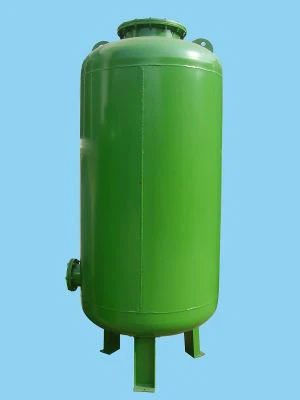
The flow rate capacity of a mechanical filter housing can vary depending on the specific model and manufacturer. Generally, mechanical filter housings are designed to handle flow rates ranging from 1 to 10 gpm (4.5 to 38.4 LPM), but some high-flow models may be able to handle up to 20 gpm (83.6 LPM).
However, it's important to note that the flow rate capacity of a particular mechanical filter housing should always be determined by consulting the manufacturer's specifications and safety data. The flow rate rating of the filter housing should not exceed the maximum flow rate recommended by the manufacturer to ensure safe and reliable performance.
Consult with a filtration expert or the manufacturer of the specific mechanical filter housing to determine the flow rate capacity for your specific application.
The micron rating of a mechanical filter housing refers to the size of the pores in the filter media that allow fluid to pass through. The micron rating of a mechanical filter housing is typically determined by the specific model and manufacturer.
Most mechanical filter housings are designed to handle a range of micron ratings, from 2 to 60 microns. However, some high-performance housings may be designed to handle up to 100 microns.
Again, it's important to note that the specific micron rating of a mechanical filter housing should always be determined by consulting the manufacturer's specifications and safety data. The micron rating of the filter housing should not exceed the maximum micron rating recommended by the manufacturer to ensure safe and reliable performance.
Consult with a filtration expert or the manufacturer of the specific mechanical filter housing to determine the micron rating for your specific application.

Types of Machanical Filter Housing
Mechanical filter housings are available in various types and configurations to accommodate different types of filters and filtration needs.
Cartridge Filter Housings: Cartridge filter housings house a cartridge filter element that can be easily removed and replaced. These housings are commonly used for filtration of fluids such as water, coolant, and hydraulic oil.
Canister Filter Housings: Canister filter housings are typically used for point-of-use filtration applications, where a compact and space-saving filter housing is required. They are commonly used in residential and light commercial applications.
Cylinder Filter Housings: Cylinder filter housings are designed for high-flow applications and are commonly used in industrial and commercial settings. They are characterized by their high-flow capacity and are often used in applications that require a high degree of filtration efficiency.
Pressure Filter Housings: Pressure filter housings are designed to handle high-pressure fluids and are commonly used in industrial and commercial settings. They are characterized by their high-pressure rating and are often used in applications where the fluid being filtered can generate high-pressure drops.
Sump Filter Housings: Sump filter housings are designed to collect and store contaminants that pass through the filter element. They are commonly used in high-volume filtration applications, such as in cooling systems and hydraulic systems.
Material of Machanical Filter Housing
Mechanical filter housings are typically made of a durable material, such as stainless steel or polypropylene, that can withstand the harsh conditions of industrial and commercial applications.
Stainless Steel
Stainless steel is a corrosion-resistant material that is commonly used for mechanical filter housings. It is resistant to oxidation and corrosion, making it suitable for use in applications where corrosion resistance is critical, such as in food and beverage processing and pharmaceutical manufacturing.
Polypropylene
Polypropylene is a lightweight and durable plastic material that is commonly used for mechanical filter housings. It is resistant to chemicals and has a high degree of temperature tolerance, making it suitable for use in a wide range of industrial and commercial applications.
Other Plastics
Other plastic materials, such as polyvinyl chloride (PVC) and high-density polyethylene (HDPE), are also commonly used for mechanical filter housings. These materials are often used in applications where cost effectiveness and ease of manufacturing are important considerations.
What are the Applications of Machanical Filter Housing
Mechanical filter housings are commonly used in a variety of industrial and commercial applications to remove contaminants from fluids. Here are some of the common applications of mechanical filter housings:
Industrial Filtration: Mechanical filter housings are commonly used in industrial settings to filter fluids such as coolants, hydraulic oil, and glycol. They are used in applications such as manufacturing, machining, and metalworking to prevent contamination and ensure the smooth operation of machinery and equipment.
Commercial Filtration: Mechanical filter housings are also commonly used in commercial settings such as food and beverage processing, pharmaceutical manufacturing, and water treatment. They are used to filter fluids such as water, sanitizer, and other cleaning solutions to prevent contamination and ensure the safety and quality of products.
HVAC Systems: Mechanical filter housings are used in HVAC (Heating, Ventilation, and Air Conditioning) systems to filter airborne contaminants such as dust, pollen, and pet dander. They are used in residential and commercial buildings to improve indoor air quality and prevent the spread of airborne allergens.
Automotive Filtration: Mechanical filter housings are used in automotive applications to filter fluids such as engine oil, transmission fluid, and coolant. They are used in vehicles to prevent contamination and ensure the smooth operation of components such as the engine, transmission, and cooling system.
Marine Filtration: Mechanical filter housings are used in marine applications to filter fluids such as engine oil, hydraulic oil, and glycol. They are used in marine vehicles such as ships, boats, and offshore platforms to prevent contamination and ensure the smooth operation of components such as the engine and propulsion system.
The Considerations for Buying Machanical Filter Housing
When purchasing a mechanical filter housing, there are several factors to consider to ensure that you select the right product for your specific application.
Flow Rate Capacity: The flow rate capacity of a mechanical filter housing is critical to ensure that it can handle the volume of fluid that needs to be filtered. Consider the maximum flow rate that the housing can handle and ensure that it meets the requirements of your specific application.
Micron Rating: The micron rating of a mechanical filter housing refers to the size of the pores in the filter media that allow fluid to pass through. Consider the micron rating that is required for your specific application and ensure that the housing can handle the appropriate micron rating.
Material: The material of the mechanical filter housing is important to consider, as it can affect the durability, corrosion resistance, and temperature tolerance of the housing. Consider the environmental conditions of your specific application and select a housing that is suitable for those conditions.
Mounting Configuration: The mounting configuration of a mechanical filter housing refers to how the housing is installed and mounted to the system. Consider the type of mounting configuration that is required for your specific application and ensure that the housing can be installed and mounted in the appropriate way.
Compatibility: Ensure that the mechanical filter housing is compatible with the other components of your filtration system, such as the filter element, pump, and valves. Consult with a filtration expert or the manufacturer of the specific housing to determine the compatibility of the housing with other components.
Cost: Consider the cost of the mechanical filter housing and ensure that it fits within your budget. Consult with a filtration expert or the manufacturer of the specific housing to determine the pricing and cost-effectiveness of the housing for your specific application.
Test the System: Once the mechanical filter housing is installed, test the filtration system to ensure that it functions properly and meets the performance requirements of your application.
Regular Maintenance: Regular maintenance and inspection of the mechanical filter housing and its associated components are essential to ensure optimal performance and extend the lifespan of the system. This may include replacing the filter element, checking the housing for leaks, and performing any necessary repairs.
Identify the Needs
Determine the specific needs of your filtration system, such as the flow rate capacity, micron rating, and material requirements.
Choose the Right Housing
Select a mechanical filter housing that meets the needs of your application, considering factors like flow rate capacity, micron rating, material, and compatibility with other components.
Install the Housing
Follow the instructions provided by the manufacturer or consult with a filtration expert to install the mechanical filter housing in your filtration system. This may involve attaching the housing to the system, installing the filter element, and connecting the fluid lines.
Components of Machanical Filter Housing
Mechanical filter housings, also known as cartridge filter housings, are essential components of filtration systems that are used in various industrial and commercial applications. The primary components of a mechanical filter housing include:
Housing: The housing is the main component of the filter housing and provides a protective casing for the filter element. It is typically made of a durable material, such as stainless steel or polypropylene, to withstand the harsh conditions of industrial and commercial applications.
Filter Element: The filter element is the actual filter media that is used in the filter housing. It is typically made of a material, such as wire screens, woven fibers, or paper, that can effectively remove contaminants from fluids. The filter element must be replaced or cleaned regularly to maintain the performance and efficiency of the filter housing.
Seals: The seals of the filter housing are critical to prevent leaks and ensure that the filter element and housing are properly sealed. The seals are typically made of a high-quality elastomer material that can withstand the harsh conditions of industrial and commercial applications.
Gasket: The gasket is a ring-shaped component that is used to seal the flanges of the filter housing. It is typically made of a high-quality elastomer material that can withstand the harsh conditions of industrial and commercial applications.
Flanges: The flanges are the protrusions at the top or bottom of the filter housing that allow for easy installation and removal of the filter element. The flanges are typically threaded, allowing them to be securely fastened to the housing with a gasket and seals.
Mounting Bracket: The mounting bracket is a component that is used to secure the filter housing to a surface, such as a wall or floor. It is typically made of a durable material, such as stainless steel or polypropylene, and is designed to provide a secure and stable mounting solution for the filter housing.
Mechanical filter housings, such as those used in industrial and commercial filtration systems, are essential components that help to remove contaminants from fluids, such as water, oil, and air. To ensure the proper functioning and longevity of these housings, it is important to perform routine maintenance and follow these tips:
Clean the Filter Element: Regularly clean the filter element to remove accumulated dirt and debris. This will help to maintain the performance and efficiency of the filter and prevent the buildup of contaminants that can clog the filter and compromise the filtration system.
Check the Seals: Regularly check the seals of the filter housing for any leaks or signs of wear. Make sure that the seals are properly installed and that there are no gaps or cracks that could allow fluids or contaminants to enter the system.
Inspect the Housing: Regularly inspect the filter housing for any signs of wear, corrosion, or damage. Look for any cracks or splits in the housing, as well as any corrosion or damage to the seals. If any damage is detected, replace the housing or seals immediately to prevent any potential damage to the filtration system.
Replace the Filter Element: Replace the filter element regularly, as recommended by the manufacturer. This will help to ensure that the filter is always performing at its optimal level and prevent the buildup of contaminants that can compromise the filtration system.
Follow the Manufacturer's Instructions: Always follow the manufacturer's instructions for maintenance and care of the filter housings. This will help to ensure that the housings are properly maintained and can provide optimal performance and longevity.
Our Factory
Our professional products have SS Membrane housing, Cartridge filter housing, Bag vessel, Mechanical filter housing, Ion exchange, Water tank, Softening vessel etc.They are widely used in electronics, electric power, petroleum, chemical industry, electroplating, printing&dyeing, medicine, food, beverage and other fields.


Certificate

FAQ
Find the high quality machanical filter housing at discount here with Shuidun Technology. They come in quality materials, high precision and strong durability. And the customized machanical filter housing and the wholesale service are also offered in low price by our factory.
anti clogging machanical filter housing, multi port machanical filter housing, self cleaning machanical filter housing


