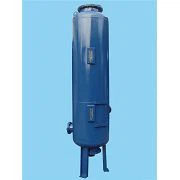
Hey there! As a supplier of fermentation tanks, I've seen firsthand how crucial a well - functioning ventilation system is for these tanks. Whether you're brewing beer, making wine, or involved in other fermentation processes, the ventilation system plays a key role in ensuring a successful fermentation. So, let's dive into what the installation requirements for a fermentation tank's ventilation system are.
1. Location and Space
First off, the location of the ventilation system installation matters a great deal. You need to place it in an area where it can easily exchange air with the fermentation tank. It should be close enough to the tank so that the air ducts can be connected without too much hassle. But at the same time, it can't be so close that it gets in the way of other operations around the tank.
When it comes to space, make sure there's enough room around the ventilation unit. It needs proper air circulation for its own operation. You don't want it to be cramped up in a corner where it can't draw in fresh air or expel the stale air effectively. A general rule of thumb is to have at least a couple of feet of clearance on all sides of the unit.
2. Air Quality and Filtration
The quality of the air that enters the fermentation tank is super important. Contaminants in the air can mess up the fermentation process. That's why you need a good filtration system as part of your ventilation setup.
The filters should be able to trap dust, pollen, and other airborne particles. For more sensitive fermentation processes, like those in the brewing of high - end beers or fine wines, you might even need filters that can remove microorganisms. These high - efficiency filters can prevent unwanted bacteria or fungi from entering the tank and spoiling the batch.
3. Ventilation Capacity
The ventilation system must have the right capacity for your fermentation tank. This depends on the size of the tank. A larger tank will obviously need a more powerful ventilation system to maintain proper air exchange.
You can calculate the required ventilation capacity based on the volume of the tank and the rate of air turnover you need. For example, in beer fermentation, you might want to have a certain number of air changes per hour to keep the yeast happy and the fermentation process going smoothly. If you're not sure about the calculations, it's a good idea to consult an expert.
4. Ductwork and Sealing
The ductwork that connects the ventilation system to the fermentation tank is another critical component. The ducts should be made of a material that's resistant to corrosion, especially if the fermentation process involves acidic or alkaline substances. Stainless steel is a popular choice for ductwork in fermentation setups.
Also, ensure that all the duct connections are properly sealed. Leaky ducts can lead to a loss of air pressure and reduce the efficiency of the ventilation system. You can use gaskets and sealants to make sure there are no gaps where air can escape.
5. Noise and Vibration
Nobody wants a ventilation system that sounds like a jet engine or shakes the whole place up. Excessive noise and vibration can be a nuisance, and they can also indicate problems with the system.
When installing the ventilation unit, use vibration - dampening mounts to reduce the transfer of vibrations to the surrounding area. You can also choose a unit that's designed to operate quietly. There are many models on the market that are engineered for low - noise performance, which is great for both the workers in the area and the overall environment.

6. Safety Features
Safety should always be a top priority. The ventilation system should have safety features like over - temperature protection and short - circuit protection. In case of a malfunction, these features can prevent damage to the system and reduce the risk of fire or other hazards.
Also, make sure that the ventilation system is installed in a way that it doesn't pose a tripping or falling hazard. Keep all the electrical connections and wires properly organized and out of the way.
7. Compatibility with the Fermentation Process
Different fermentation processes have different requirements. For example, wine fermentation might require a more gentle and controlled airflow compared to beer fermentation, which can handle a bit more turbulence.
Before installing the ventilation system, understand the specific needs of your fermentation process. You might need to adjust the settings of the ventilation system, such as the airflow rate and the direction of the air, to ensure that it's compatible with the unique requirements of your product.
Our Fermentation Tanks
At our company, we offer a wide range of high - quality fermentation tanks. Check out our Stainless Steel Industrial 500L - 10000L Fermenter Beer Wine Brewing Vessel Fementation Storage Tank. These tanks are built to last and are suitable for various fermentation applications.
We also have Stainless Steel Fermentation Tank Polished Or Sandblast External Surface Tri Clamp Ferrule Connection Size Customized. You can customize the size and finish of these tanks to meet your specific needs.
If you're interested in learning more about beer fermentation, take a look at Beer Fermentation Exposed. It's a great resource that can give you more insights into the process.
Conclusion
Installing a proper ventilation system for your fermentation tank is not a one - size - fits - all deal. It requires careful consideration of various factors like location, air quality, capacity, and safety. By following these installation requirements, you can ensure that your fermentation process runs smoothly and efficiently.
If you're in the market for a fermentation tank or need help with the ventilation system installation, don't hesitate to reach out. We're here to assist you with all your fermentation needs. Let's start a conversation and see how we can work together to make your fermentation projects a success.
References
- General knowledge from years of experience in the fermentation tank supply industry.
- Industry standards and best practices for fermentation ventilation systems.