


Hey there! As a supplier of ss bag vessels, I often get asked about the capacity range of these vessels. So, I thought I'd write this blog to share some insights on this topic.
First things first, let's understand what ss bag vessels are. SS stands for stainless steel, and these vessels are used in various industries for filtration purposes. They come in different shapes and sizes, and their capacity can vary significantly depending on the specific application and design.
Factors Affecting the Capacity of SS Bag Vessels
There are several factors that can influence the capacity of ss bag vessels. Here are some of the key ones:
- Bag Size: The size of the filter bags used in the vessel plays a crucial role in determining its capacity. Larger bags can hold more contaminants, which means the vessel can handle a higher flow rate and a larger volume of fluid before the bags need to be replaced.
- Number of Bags: The more bags a vessel has, the greater its capacity. Multi - bag vessels are designed to increase the overall filtration area, allowing for higher flow rates and better filtration efficiency.
- Flow Rate: The flow rate of the fluid passing through the vessel is another important factor. A higher flow rate requires a vessel with a larger capacity to ensure effective filtration. If the flow rate is too high for the vessel's capacity, the filtration efficiency may decrease, and the bags may need to be replaced more frequently.
- Contaminant Load: The amount and type of contaminants in the fluid also affect the vessel's capacity. If the fluid contains a high concentration of large particles, the bags will fill up more quickly, reducing the vessel's effective capacity. On the other hand, if the contaminants are small and less concentrated, the vessel can operate for a longer time before the bags need to be changed.
Typical Capacity Range
The capacity range of ss bag vessels can be quite broad. For small - scale applications, such as laboratory or pilot - plant operations, vessels with a capacity of a few liters per minute may be sufficient. These vessels usually have a single or a small number of filter bags and are designed for low - flow, high - precision filtration.

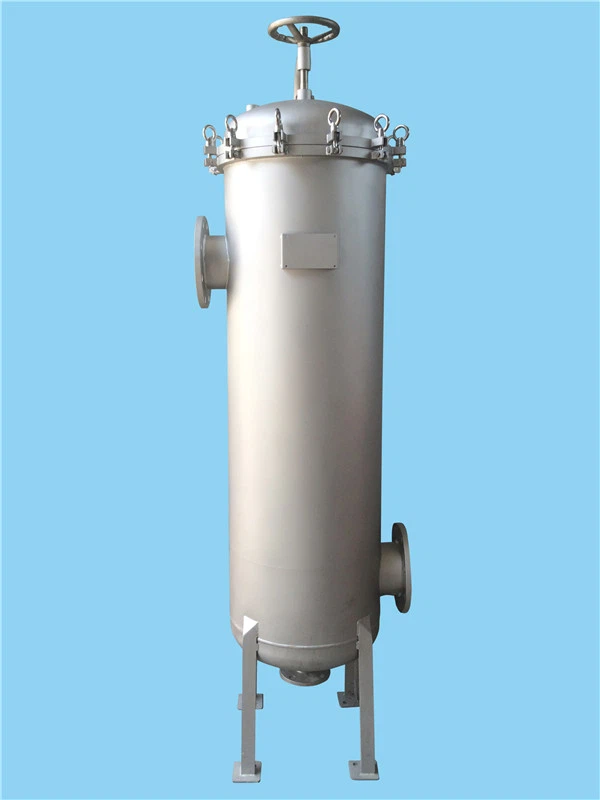
On the other hand, for large - scale industrial applications, such as water treatment plants, chemical processing facilities, and oil refineries, ss bag vessels can have capacities ranging from hundreds to thousands of liters per minute. These multi - bag vessels are often equipped with a davit arm for easy bag replacement and are designed to handle high - flow rates and large volumes of fluid.
For example, a single - bag ss vessel might have a capacity of around 10 - 50 liters per minute, depending on the bag size and the flow conditions. A two - bag vessel could handle 50 - 100 liters per minute, while a multi - bag vessel with 5 or more bags can have a capacity of over 1000 liters per minute.
Different Types of SS Bag Vessels and Their Capacities
Let's take a look at some specific types of ss bag vessels and their typical capacity ranges:
- SS Multi Bag Filter Housing Industrial Bag Filters Quickly Flange Davit Arm Side In Side Out Flange: These vessels are designed for industrial applications where high - flow rates are required. They typically have a capacity range of 500 - 5000 liters per minute, depending on the number of bags and the bag size. You can find more information about these vessels here.
- Stainless Steel Multi Bag Filter Housing Industrial Bag Filters Quickly Flange Davit Arm Bottom In Bottom Out Flange: These vessels are suitable for applications where a large volume of fluid needs to be filtered with a relatively low pressure drop. Their capacity can range from 300 - 3000 liters per minute. Check out the details here.
- Stainless Steel Dust Collector Bag Filter Housing Quickly Flange Multi Bag Bottom in Bottom Out: These vessels are mainly used for dust collection in industrial settings. They can handle a capacity of 200 - 2000 cubic meters per hour, depending on the number of bags and the design of the housing. More info is available here.
Choosing the Right Capacity
Selecting the right capacity for your ss bag vessel is crucial for ensuring optimal performance and cost - effectiveness. Here are some tips to help you make the right choice:
- Assess Your Requirements: Determine the flow rate, contaminant load, and the type of fluid you need to filter. This will give you an idea of the capacity you require.
- Consider Future Expansion: If you expect your production volume to increase in the future, it's a good idea to choose a vessel with a slightly higher capacity than your current needs. This will save you the cost and hassle of replacing the vessel later.
- Consult with an Expert: If you're unsure about the right capacity for your application, don't hesitate to consult with a filtration expert. They can help you analyze your requirements and recommend the most suitable vessel.
Conclusion
In conclusion, the capacity range of ss bag vessels is determined by several factors, including bag size, number of bags, flow rate, and contaminant load. Whether you need a small - scale vessel for a laboratory or a large - scale industrial multi - bag vessel, there's a wide range of options available to meet your filtration needs.
If you're in the market for ss bag vessels and want to discuss your specific requirements, feel free to reach out. We're here to help you find the perfect solution for your filtration challenges.
References
- Industry standards and guidelines for filtration equipment
- Manufacturer's specifications for ss bag vessels


