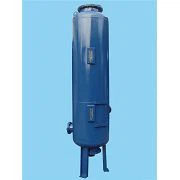
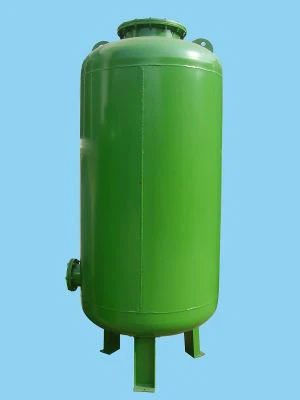
In the world of filtration systems, pressure filters and gravity filters stand as two prominent options, each with its own set of characteristics, advantages, and applications. As a pressure filter supplier, I've witnessed firsthand the diverse needs of industries and individuals seeking effective filtration solutions. In this blog post, I'll delve into the differences between pressure filters and gravity filters, shedding light on their working principles, performance, and ideal use cases.
Working Principles
The fundamental difference between pressure filters and gravity filters lies in the driving force behind the filtration process.
Pressure Filters
Pressure filters rely on an external force, typically a pump, to push the fluid through the filter media. This force creates a pressure differential across the filter, compelling the fluid to pass through the pores of the filter media while retaining the contaminants. The pressure can be adjusted according to the specific requirements of the filtration process, allowing for precise control over the flow rate and filtration efficiency.


For example, in industrial applications where large volumes of fluid need to be filtered quickly, pressure filters can be set to operate at high pressures to achieve rapid filtration. This makes them suitable for processes such as water treatment, chemical processing, and oil refining.
Gravity Filters
Gravity filters, on the other hand, utilize the force of gravity to move the fluid through the filter media. The fluid is simply allowed to flow downward through the filter under the influence of gravity, without the need for an external pump. As the fluid passes through the filter media, the contaminants are trapped, and the clean fluid collects at the bottom.
Gravity filters are often used in applications where a slower, more gentle filtration process is required. They are commonly found in residential water filtration systems, aquariums, and some small-scale industrial applications.
Performance and Efficiency
The performance and efficiency of pressure filters and gravity filters can vary significantly depending on several factors, including the type of filter media, the particle size of the contaminants, and the flow rate.
Filtration Efficiency
Pressure filters generally offer higher filtration efficiency compared to gravity filters. The high pressure applied in pressure filters forces the fluid through the filter media more effectively, ensuring that even small particles are trapped. This makes pressure filters suitable for applications where a high level of purity is required, such as in pharmaceutical manufacturing and electronics production.
Gravity filters, while effective at removing larger particles, may not be as efficient at capturing smaller contaminants. The slower flow rate and lower pressure in gravity filters can result in some particles passing through the filter media without being trapped. However, they can still provide adequate filtration for many applications where a lower level of purity is acceptable.
Flow Rate
Pressure filters can achieve much higher flow rates than gravity filters. The external pump in pressure filters allows for precise control over the flow rate, enabling them to handle large volumes of fluid in a short period of time. This makes pressure filters ideal for industrial applications where high throughput is required.
Gravity filters, due to their reliance on gravity, have a limited flow rate. The flow rate is determined by the height of the fluid column above the filter media and the permeability of the filter media. As a result, gravity filters are typically used in applications where a lower flow rate is sufficient, such as in residential water filtration.
Ideal Use Cases
The choice between a pressure filter and a gravity filter depends on the specific requirements of the application. Here are some common use cases for each type of filter:
Pressure Filters
- Industrial Water Treatment: Pressure filters are widely used in industrial water treatment plants to remove suspended solids, bacteria, and other contaminants from water. They can handle large volumes of water and provide high-quality filtration, making them suitable for applications such as cooling tower water treatment, boiler feed water treatment, and wastewater treatment.
- Chemical Processing: In the chemical industry, pressure filters are used to separate solids from liquids in various processes, such as crystallization, precipitation, and filtration of chemical solutions. They can operate at high pressures and temperatures, making them suitable for handling corrosive and abrasive chemicals.
- Oil and Gas Industry: Pressure filters are essential in the oil and gas industry for removing impurities from crude oil, natural gas, and refined products. They can help improve the quality of the products and protect downstream equipment from damage.
Gravity Filters
- Residential Water Filtration: Gravity filters are commonly used in residential water filtration systems to remove sediment, chlorine, and other contaminants from tap water. They are easy to install and maintain, and they can provide a cost-effective solution for improving the quality of drinking water.
- Aquariums: Gravity filters are popular in aquariums for maintaining water quality by removing fish waste, uneaten food, and other debris. They provide a gentle filtration process that is suitable for the delicate ecosystem of an aquarium.
- Small-Scale Industrial Applications: Gravity filters can also be used in some small-scale industrial applications where a lower flow rate and a simpler filtration system are required. For example, they can be used in food and beverage processing, textile manufacturing, and printing.
Our Pressure Filter Products
As a pressure filter supplier, we offer a wide range of high-quality pressure filter products to meet the diverse needs of our customers. Our products include:
- Stainless Steel/carbon Steel Active Carbon Medium Filter Housing Various Kinds Size Customizable: These filter housings are made of stainless steel or carbon steel and are designed to hold active carbon filter media. They are available in various sizes and can be customized to meet specific requirements.
- Quick Lock Opening Multi Media Pressure Filter Housing Carbon Steel: These filter housings feature a quick lock opening design, which makes them easy to open and close for filter media replacement. They are made of carbon steel and are suitable for use with multiple types of filter media.
- Carbon Steel /ss 304/316 Multi Media Mechanical Filter Housing Double Flanges: These filter housings are made of carbon steel or stainless steel (SS 304/316) and are designed to hold multiple types of filter media. They feature double flanges for easy installation and connection to other equipment.
Contact Us for Procurement
If you're in the market for a pressure filter or have any questions about our products, we'd love to hear from you. Our team of experts is dedicated to providing you with the best filtration solutions for your specific needs. Whether you're a large industrial company or a small business, we can help you find the right pressure filter for your application.
References
- "Filtration Handbook" by Peter A. Williams
- "Water Treatment Unit Processes: Physical and Chemical" by David W. Hendricks
- "Industrial Filtration Technology" by R. K. Ives