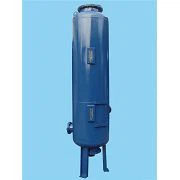
Hey there! As a supplier of fermentation tanks, I often get asked about the maintenance cost of these essential pieces of equipment. So, I thought I'd break it down for you in this blog post.
Let's start with the basics. A fermentation tank is a crucial component in various industries, including brewing, winemaking, and biotech. It's where the magic happens - where yeast turns sugars into alcohol or other valuable products. But like any piece of machinery, it needs regular maintenance to keep it running smoothly and efficiently.
Initial Investment and Its Impact on Maintenance
First off, the type and size of your fermentation tank play a huge role in determining the maintenance cost. For instance, if you're looking at our Stainless Steel Industrial 500L - 10000L Fermenter Beer Wine Brewing Vessel Fementation Storage Tank, the larger the capacity, the more it might cost to maintain. Larger tanks have more surface area to clean, more components to check, and potentially more complex systems to manage.
The material of the tank is also a big factor. Most of our tanks are made of stainless steel, which is a great choice because it's durable, resistant to corrosion, and relatively easy to clean. But even stainless steel needs some TLC. Over time, it can develop scratches or pits, which can harbor bacteria and affect the quality of your fermentation.
Regular Cleaning: The Foundation of Maintenance
One of the most significant ongoing costs is cleaning. You've got to keep your fermentation tank clean to prevent contamination and ensure consistent product quality. This involves using specialized cleaning agents and following a strict cleaning schedule.
For example, after each batch, you should do a basic rinse to remove any loose debris. Then, on a regular basis, you'll need to perform a more thorough cleaning. This might involve using a caustic solution to break down stubborn residues and a sanitizer to kill any remaining bacteria. The cost of these cleaning chemicals can add up, especially if you're running multiple batches per week.
And let's not forget about the labor. Cleaning a fermentation tank is not a quick or easy job. It requires trained personnel who know how to handle the cleaning agents safely and effectively. Depending on the size and complexity of your tank, it could take several hours to clean properly. So, labor costs are another important part of the maintenance equation.
Inspection and Repairs
Regular inspections are also essential. You need to check for any signs of wear and tear, such as leaks, cracks, or damaged seals. These issues can not only affect the performance of your tank but also pose a safety risk.
If you find any problems during an inspection, you'll need to make repairs. The cost of repairs can vary widely depending on the nature and extent of the damage. Minor repairs, like replacing a gasket or a small part, might be relatively inexpensive. But if you have a major issue, like a cracked tank wall, it could be a significant expense.
For example, if you notice a leak in the Stainless Steel Fermentation Tank Polished Or Sandblast External Surface Tri Clamp Ferrule Connection Size Customized, you'll need to identify the source of the leak and fix it as soon as possible. This might involve welding, replacing a section of the tank, or tightening a connection.
Temperature and Pressure Control
Another aspect of maintenance is ensuring proper temperature and pressure control. Fermentation is a delicate process that requires specific conditions to be successful. Most fermentation tanks are equipped with temperature and pressure sensors and control systems to maintain these conditions.
These systems need to be calibrated regularly to ensure accurate readings. And if there are any malfunctions, they need to be repaired promptly. The cost of calibration and repair can vary depending on the complexity of the system. For example, a simple temperature sensor might be easy and inexpensive to replace, but a more advanced control system could be quite costly.
Energy Costs
Don't forget about energy costs. Maintaining the right temperature and pressure in your fermentation tank requires energy. Whether you're using heating elements, cooling systems, or pumps, these all consume electricity or other forms of energy.
The energy consumption of your tank depends on its size, insulation, and the type of fermentation process you're running. For example, a high-temperature fermentation process will require more energy to maintain the desired temperature than a low-temperature process. So, it's important to consider energy efficiency when choosing a fermentation tank and to look for ways to reduce energy consumption.


Preventive Maintenance: A Cost-Saving Strategy
One way to reduce maintenance costs in the long run is to implement a preventive maintenance program. This involves regular inspections, cleaning, and servicing to catch and fix problems before they become major issues.
By following a preventive maintenance schedule, you can extend the lifespan of your fermentation tank and avoid costly breakdowns. For example, changing the filters in your ventilation system regularly can prevent clogs and improve the efficiency of the tank. And lubricating moving parts can reduce wear and tear and prevent premature failure.
Conclusion
So, as you can see, the maintenance cost of a fermentation tank is influenced by many factors, including the size and type of the tank, cleaning and inspection requirements, repairs, temperature and pressure control, and energy consumption. But by understanding these factors and implementing a proactive maintenance strategy, you can keep your costs under control and ensure the long-term performance of your tank.
If you're in the market for a fermentation tank or want to learn more about our products and maintenance services, don't hesitate to reach out. We're here to help you find the right solution for your needs and answer any questions you might have. Let's start a conversation and see how we can work together to make your fermentation process a success.
References
- General knowledge from the fermentation industry
- Manufacturer's guidelines for fermentation tank maintenance