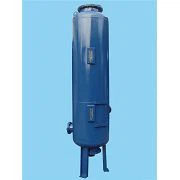
Hey there! As a fermentation tank supplier, I'm super stoked to chat about the materials commonly used to make these bad boys. Fermentation tanks are like the heart of the fermentation process—be it for brewing beer, making wine, or even producing certain types of food and pharmaceuticals. The choice of material can really make or break the whole shebang, affecting things like durability, cleanliness, and the end - product quality. So, let's dive right in!
Stainless Steel
Stainless steel is hands - down the most popular material for fermentation tanks, and for good reason. First off, it's incredibly durable. Stainless steel can stand up to the rigors of the fermentation process, which often involves exposure to acids, alcohols, and various chemicals. It won't rust or corrode easily like some other metals, meaning your tank will last a long time with proper maintenance.
Another great thing about stainless steel is its high level of hygiene. It has a smooth surface that's easy to clean and sanitize, which is crucial for preventing the growth of unwanted bacteria and other microorganisms. This is especially important in industries like brewing and winemaking, where any contamination can ruin an entire batch of product.
Stainless steel also offers excellent thermal conductivity. This is useful because many fermentation processes require precise temperature control. The steel can transfer heat effectively, allowing for accurate regulation of the fermentation environment.
At our company, we offer a wide range of stainless steel fermentation tanks. For example, we have the Stainless Steel Fermentation Tank Polished Or Sandblast External Surface Tri Clamp Ferrule Connection Size Customized. As the name suggests, you can choose between a polished or sandblasted external surface, and the size can be customized to fit your specific needs. We also have the Stainless Steel Industrial 500L - 10000L Fermenter Beer Wine Brewing Vessel Fementation Storage Tank, which is perfect for large - scale industrial operations.
Glass
Glass is another material commonly used for smaller - scale fermentation. It's a great choice for homebrewers and small winemakers. One of the biggest advantages of glass is its transparency. You can easily monitor the fermentation process, watching the bubbles rise and the color change as the yeast goes to work. This visual feedback is really helpful for understanding how the fermentation is progressing.
Glass is also non - reactive. It won't leach any chemicals into the fermenting liquid, ensuring that the flavor and quality of the end product remain pure. And just like stainless steel, glass is relatively easy to clean, making it a hygienic option.
However, glass does have some drawbacks. It's fragile and can break easily if dropped or bumped. This means you need to handle glass fermentation vessels with extra care. Also, glass doesn't have the best thermal conductivity, so it can be a bit more challenging to control the temperature during fermentation.
Concrete
In some large - scale industrial fermentation operations, concrete can be used to construct fermentation tanks. Concrete is extremely strong and can be built to very large sizes. It's also a relatively inexpensive material compared to stainless steel, which can be a major factor for companies looking to keep costs down.
Concrete tanks can be designed with thick walls, which provide good insulation. This helps to maintain a stable temperature inside the tank, which is important for the fermentation process. However, concrete is porous, which means it can absorb some of the fermenting liquid over time. This can lead to contamination issues if the tank isn't properly sealed.
Moreover, concrete tanks require regular maintenance to prevent cracks and other structural problems. If a crack appears in the concrete, it can allow air and bacteria to enter the tank, spoiling the fermentation.

Wood
Historically, wood was a very common material for fermentation tanks, especially in the winemaking industry. Wood can add unique flavors and aromas to the fermented product. For example, oak barrels can impart vanilla, spice, and other complex flavors to wine.
Wood also allows for a small amount of oxygen exchange during fermentation. This slow oxidation can help to mellow the flavors and improve the overall quality of the wine or other fermented beverages.
But there are challenges with using wood. It's porous, like concrete, and can be difficult to clean thoroughly. There's also a risk of mold and bacteria growth in the wood. And wood has a limited lifespan compared to stainless steel. After a certain number of uses, the barrels may need to be replaced.
Plastic
Plastic fermentation tanks are often used for small - scale or home - based fermentation projects. They are lightweight, inexpensive, and easy to transport. Plastic is also non - reactive, so it won't contaminate the fermenting liquid.
Many plastic tanks come with built - in features like airlocks and spigots, which make the fermentation process more convenient. However, plastic can scratch easily, and these scratches can harbor bacteria. Also, some types of plastic may not be suitable for long - term use or for high - temperature fermentation processes.
Key Considerations When Choosing a Material
When you're in the market for a fermentation tank, there are a few things to keep in mind when choosing the material:
- Scale of operation: If you're a homebrewer or a small - scale producer, glass or plastic might be a good fit. But for large - scale industrial production, stainless steel or concrete could be more appropriate.
- Type of fermentation: Different fermentation processes have different requirements. For example, if you're making wine and want that traditional wood - aged flavor, then wooden barrels might be the way to go. But if you're brewing beer and need strict temperature control, stainless steel is probably better.
- Budget: Some materials, like stainless steel, can be more expensive upfront. But they may offer better long - term value due to their durability. On the other hand, plastic and glass are more budget - friendly options for those just starting out.
By now, you should have a good idea of the various materials used to make fermentation tanks. Each material has its own pros and cons, and the right choice depends on your specific needs.
If you're interested in learning more about beer fermentation processes in general, check out our article Beer Fermentation Exposed.
So, whether you're a budding homebrewer or a seasoned industrial producer, we've got the fermentation tanks to suit your needs. If you're ready to start your fermentation journey or upgrade your existing setup, we'd love to chat with you. Get in touch with us to discuss your requirements and explore the perfect fermentation tank solution for you.
References
- "The Craft of Fermentation" by Sandor Ellix Katz
- "Brewing Techniques" by various authors in the brewing industry
- "Winemaking Science" textbooks used in oenology courses