What size water softener do I need?
When it comes to ensuring a reliable and efficient water softening system for your home or business, determining the right size of the water softener is crucial. As a professional water softener supplier, I understand the significance of this decision and the impact it has on the overall performance and longevity of your water treatment equipment. In this blog post, I will guide you through the process of calculating the appropriate size of water softener for your specific needs, providing you with the knowledge to make an informed choice.
Understanding Water Hardness and its Effects
Before delving into determining the size of a water softener, it's essential to understand water hardness and why it matters. Water hardness is primarily caused by the presence of dissolved minerals, such as calcium and magnesium ions. These minerals can accumulate in pipes, appliances, and fixtures, causing scale buildup and reducing their efficiency and lifespan. Hard water can also lead to issues like dry skin, dull hair, and reduced soap and detergent effectiveness.
A water softener functions by removing these hard minerals through a process called ion exchange. The water softener contains resin beads that attract and trap the calcium and magnesium ions, replacing them with sodium or potassium ions. This process effectively softens the water, preventing the negative effects of hard water.
Factors Affecting the Size of a Water Softener
The size of the water softener you need depends on several factors, including:

- Water Usage: The amount of water your household or business uses daily is a significant determinant of the water softener size. Higher water usage requires a larger capacity water softener to ensure it can handle the demand.
- Water Hardness Level: The hardness of your water, measured in grains per gallon (GPG), also impacts the size of the water softener. Higher hardness levels mean the water softener needs to regenerate more frequently to maintain its effectiveness.
- Number of People or Occupancy: The number of people living in your home or working in your business influences the water usage. Larger households or commercial establishments with more occupants will require a larger water softener.
- Peak Water Demand: Consider your peak water usage times, such as morning showers or commercial peak hours. A water softener should be able to handle these peak demands without running out of softened water.
Calculating the Required Water Softener Size
To calculate the appropriate size of the water softener, you need to follow these steps:
-
Determine Your Daily Water Usage:
- For residential properties, you can estimate your daily water usage by multiplying the number of people in the household by the average daily water consumption per person, which is typically around 80 - 100 gallons. For example, a family of four might use around 320 - 400 gallons of water per day.
- For commercial properties, you'll need to assess the specific water - using activities and estimate the total daily water consumption accordingly.
-
Test Your Water Hardness:
- You can purchase a water hardness testing kit or have your water tested by a professional. The result will be in grains per gallon (GPG). For instance, if your water hardness is tested at 15 GPG, it means there are 15 grains of hardness per gallon of water.
-
Calculate the Grains of Hardness Removed per Day:
- Multiply your daily water usage (in gallons) by the water hardness level (in GPG). For example, if your daily water usage is 350 gallons and the water hardness is 15 GPG, the grains of hardness removed per day would be 350 x 15 = 5250 grains.
-
Select the Water Softener Capacity:
-
Water softeners are rated in grains of capacity. A common rule of thumb is to choose a water softener with a capacity that can handle at least 2 - 3 times the daily grains of hardness removed. In the above example, with 5250 grains of hardness removed per day, a water softener with a capacity of around 10,000 - 15,000 grains would be suitable for most residential applications.
-
For commercial applications, the requirements may be much higher, and you may need to consult with a water treatment expert to accurately determine the appropriate capacity.
-
Different Types of Water Softeners and Sizes
There are various types of water softeners available in the market, each with different sizes and features to suit different needs.
- Compact Water Softeners: These are suitable for small households or applications with low water usage. They typically have a lower capacity, ranging from 10,000 - 20,000 grains.
- Standard Residential Water Softeners: Designed for average - sized households, these water softeners usually have a capacity between 24,000 - 48,000 grains.
- Large - Capacity Water Softeners: These are ideal for large households, commercial buildings, or properties with high water usage. They can have capacities of 80,000 grains or more.
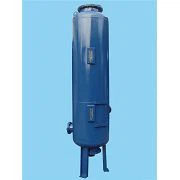
Among our product range, we have the Stainless Steel Ion Exchange Softening Vessel For Resin Water Softener Equipment. This product comes in different sizes, allowing you to choose the one that best fits your calculated water softener capacity needs. It is made of high - quality stainless steel, ensuring durability and long - term performance.
Another product is the High Efficiency Hardness Removal Industrial Water Softener Equipment Sodium Stainless Steel Carbon Steel Ion Exchanger. This industrial - grade water softener is designed for large - scale applications, offering high - efficiency hardness removal and is available in various sizes to accommodate different commercial water - usage requirements.
Importance of Choosing the Right Size
Selecting the correct size of the water softener is essential for several reasons:
- Efficiency: An appropriately sized water softener will operate efficiently, regenerating only when necessary. An undersized water softener may run out of softened water during peak usage times, while an oversized one may regenerate too frequently, wasting water and salt.
- Cost - Effectiveness: Choosing the right size can save you money in the long run. You'll avoid over - spending on a large water softener when a smaller one would suffice, and you'll also save on water, salt, and energy costs associated with regeneration.
- Longevity: A properly sized water softener is less likely to experience excessive wear and tear, leading to a longer lifespan and reduced maintenance costs.
Conclusion and Call to Action
Determining the right size of water softener is a crucial step in ensuring that you enjoy the benefits of softened water in your home or business. By considering factors such as water usage, water hardness, and occupancy, you can calculate the appropriate capacity for your needs. As a water softener supplier, we are committed to providing you with the best - suited water softening solutions.
If you're still unsure about the size of water softener you need for your specific situation, or if you have any questions about our products, feel free to contact us. We have a team of experts ready to assist you in making the right choice. Whether it's a small - scale residential project or a large - scale commercial application, we have the knowledge and products to meet your requirements. Reach out to us for a consultation and let's discuss how we can provide you with an efficient and reliable water softening system.
References
- Water Quality Association. (2023). Water Softening Basics.
- American Water Works Association. (2022). Handbook of Water Supply and Wastewater Treatment.