


Hey there! As a supplier of SS bag vessels, I often get asked, "Are SS bag vessels airtight?" It's a valid question, especially when you're considering using these vessels for various industrial applications. In this blog post, I'll dive deep into this topic and give you all the information you need.
First off, let's understand what SS bag vessels are. SS stands for stainless steel, which is a popular material in the manufacturing of bag vessels due to its durability, corrosion resistance, and strength. These vessels are used in a wide range of industries, including food and beverage, pharmaceuticals, chemical processing, and water treatment. They are designed to hold filter bags that trap impurities and particles from liquids or gases passing through them.
Now, to answer the big question - are SS bag vessels airtight? The short answer is, it depends. SS bag vessels can be made airtight, but it's not a given. Several factors determine whether a particular SS bag vessel will be airtight or not.
Design and Construction
The design and construction of the SS bag vessel play a crucial role in its airtightness. A well - designed vessel will have proper seals and gaskets at all the joints and openings. For example, the flange connections where the lid meets the body of the vessel need to have high - quality gaskets. These gaskets are usually made of materials like rubber or silicone, which can create a tight seal when compressed.
If the vessel is poorly designed, with uneven surfaces or loose connections, air can leak through. Some vessels may have quick - release mechanisms, like swing bolts, which can be great for easy access but need to be tightened properly to ensure an airtight seal.
Take a look at our Stainless Steel Multi Bag Filter Housing Industrial Bag Filters Quickly Flange Davit Arm Bottom In Bottom Out Flange. This product is designed with precision to ensure a good seal. The quick flange system allows for easy maintenance, but when properly tightened, it can provide a high level of airtightness.
Material Quality
The quality of the stainless steel used in the vessel also matters. High - grade stainless steel, like SS304 or SS316L, not only offers better corrosion resistance but also has a more uniform structure. This means fewer microscopic pores or cracks through which air could potentially leak.
Our SS304/316L Bag filter housing quickly flange multi bag side in side out type is made from top - quality SS304/316L stainless steel. The material is carefully selected to ensure that the vessel is strong and less likely to have air leakage issues.
Installation and Maintenance
Even if you have a well - designed and high - quality SS bag vessel, improper installation can lead to air leaks. During installation, it's essential to follow the manufacturer's instructions carefully. The gaskets need to be placed correctly, and all the bolts need to be tightened to the specified torque.
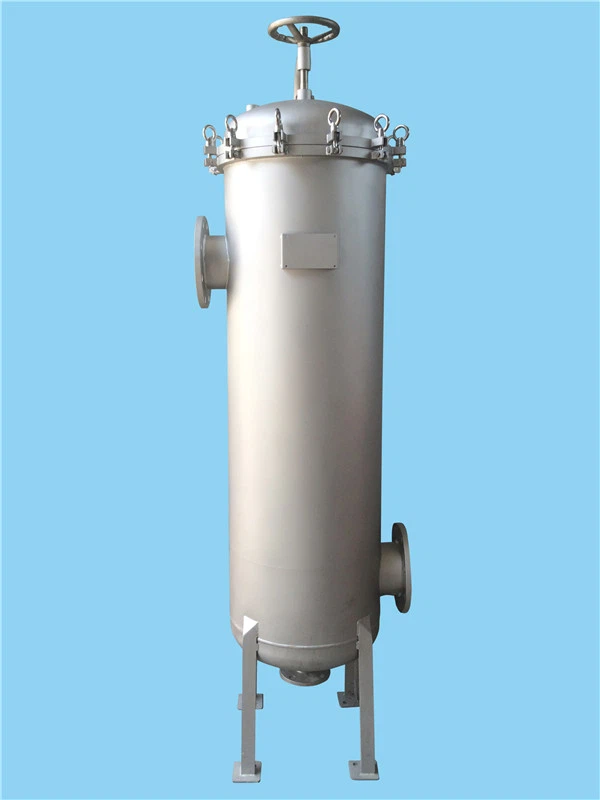

Maintenance is also key. Over time, gaskets can wear out, and bolts can loosen. Regular inspections and replacement of worn - out parts are necessary to keep the vessel airtight. For instance, if you're using our Stainless Steel Dust Collector Bag Filter Housing Quickly Flange Multi Bag Bottom in Bottom Out, make sure to check the gaskets and bolts every few months to ensure everything is in good working condition.
Pressure and Temperature
The operating pressure and temperature of the system can affect the airtightness of the SS bag vessel. At high pressures, the vessel is under more stress, and there's a greater chance of air leakage if the seals are not up to the task. Similarly, extreme temperatures can cause the materials to expand or contract, which may compromise the seal.
When choosing an SS bag vessel, it's important to consider the pressure and temperature requirements of your application. Some vessels are designed to handle high - pressure or high - temperature environments, and they will have features like reinforced seals and thicker walls to maintain airtightness.
Applications Where Airtightness Matters
There are several applications where airtightness of SS bag vessels is critical. In the pharmaceutical industry, for example, airtight vessels are necessary to prevent contamination of the product. Any leakage of air could introduce dust, bacteria, or other contaminants, which can affect the quality and safety of the medications.
In the chemical processing industry, airtight vessels are used to prevent the escape of hazardous gases. If a gas leaks out, it can pose a risk to the workers and the environment. Similarly, in the food and beverage industry, airtight vessels help maintain the freshness and quality of the products by preventing the entry of oxygen and other contaminants.
Testing for Airtightness
Manufacturers usually test SS bag vessels for airtightness before shipping them out. There are several methods for testing, such as pressure decay testing. In this method, the vessel is pressurized to a certain level, and then the pressure is monitored over a period of time. If the pressure drops significantly, it indicates an air leak.
Another method is the bubble test. The vessel is submerged in water, and air is pumped into it. If there are any leaks, bubbles will form at the point of leakage.
Conclusion
So, in conclusion, SS bag vessels can be airtight, but it depends on factors like design, construction, material quality, installation, maintenance, pressure, and temperature. As a supplier, we take all these factors into account when manufacturing our vessels to ensure the best possible airtightness for our customers.
If you're in the market for SS bag vessels and need an airtight solution for your application, don't hesitate to reach out. We can help you choose the right product based on your specific requirements. Whether you need a multi - bag filter housing or a dust collector bag filter housing, we've got you covered. Contact us today to start the procurement process and let's work together to find the perfect SS bag vessel for you.
References
- "Industrial Filtration Handbook" by David W. Smith
- "Stainless Steel in Design and Construction" by John A. Williams


