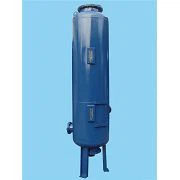
Can a dissolution tank be used for gas - liquid dissolution? This is a question that often comes up in various industrial and scientific applications. As a supplier of dissolution tanks, I am well - versed in the capabilities and limitations of these tanks when it comes to gas - liquid dissolution.
Understanding Gas - Liquid Dissolution
Gas - liquid dissolution is a process where a gas is dissolved into a liquid. This process is governed by Henry's law, which states that the amount of a given gas that dissolves in a liquid at a constant temperature is directly proportional to the partial pressure of that gas above the liquid. In industrial settings, gas - liquid dissolution is crucial in many processes, such as carbonation in the beverage industry, aeration in wastewater treatment, and the production of chemical compounds where a gas reactant needs to be incorporated into a liquid medium.

The Functionality of Dissolution Tanks
Dissolution tanks are designed to facilitate the mixing and dissolution of substances. They typically come equipped with agitation systems, such as stirrers or impellers, which help to increase the contact area between the gas and the liquid, thereby enhancing the dissolution process. The tanks are also built to withstand different pressures and temperatures, depending on the requirements of the specific dissolution process.
Factors Affecting Gas - Liquid Dissolution in Dissolution Tanks
- Agitation Intensity: The more intense the agitation, the better the gas - liquid contact. A well - designed agitation system can break the gas into smaller bubbles, increasing the surface area available for dissolution. For example, in a carbonation process for soft drinks, high - speed impellers are used to ensure that carbon dioxide gas is evenly distributed and dissolved in the liquid.
- Temperature: Temperature plays a significant role in gas - liquid dissolution. Generally, the solubility of gases in liquids decreases with increasing temperature. Therefore, in processes where high gas solubility is required, the dissolution tank may need to be cooled. For instance, in the production of beer, the fermentation process involves the dissolution of carbon dioxide. Maintaining a proper temperature is crucial to ensure the right amount of carbonation. You can learn more about the beer fermentation process in Beer Fermentation Exposed.
- Pressure: According to Henry's law, the solubility of a gas in a liquid is directly proportional to the partial pressure of the gas above the liquid. Increasing the pressure in the dissolution tank can significantly enhance the gas - liquid dissolution. However, this requires the tank to be designed to withstand the higher pressures.
Applications of Dissolution Tanks in Gas - Liquid Dissolution
- Beverage Industry: In the production of carbonated beverages, dissolution tanks are used to dissolve carbon dioxide gas into water or other liquid bases. The tanks are carefully designed to ensure that the carbonation level is consistent throughout the product. For large - scale production, Stainless Steel Industrial 500L - 10000L Fermenter Beer Wine Brewing Vessel Fementation Storage Tank can be an ideal choice.
- Wastewater Treatment: Aeration is an essential step in wastewater treatment, where oxygen gas is dissolved into the wastewater to support the growth of aerobic bacteria. Dissolution tanks with efficient agitation systems are used to ensure that the oxygen is evenly distributed and dissolved in the water.
- Chemical Industry: Many chemical reactions involve the dissolution of gases in liquids. For example, in the production of hydrochloric acid, hydrogen chloride gas is dissolved in water. Dissolution tanks are used to control the reaction conditions and ensure the proper dissolution of the gas.
Advantages of Using Dissolution Tanks for Gas - Liquid Dissolution
- Controlled Environment: Dissolution tanks provide a controlled environment for gas - liquid dissolution. The temperature, pressure, and agitation can be precisely regulated, ensuring consistent and high - quality results.
- Scalability: Dissolution tanks can be designed and manufactured in various sizes, making them suitable for both small - scale laboratory experiments and large - scale industrial production.
- Material Compatibility: Tanks can be made from different materials, such as stainless steel, depending on the chemical nature of the gas and liquid involved. Stainless Steel Fermentation Tank Polished Or Sandblast External Surface Tri Clamp Ferrule Connection Size Customized offers flexibility in terms of surface finish and connection options.
Challenges and Limitations
- Foaming: In some gas - liquid dissolution processes, foaming can occur, which can reduce the efficiency of the dissolution process and may also cause operational problems. Special anti - foaming agents or defoaming devices may need to be used to address this issue.
- Gas Leakage: Ensuring a tight seal in the dissolution tank is crucial to prevent gas leakage, especially when dealing with toxic or flammable gases. Proper maintenance and inspection of the tank and its components are necessary to avoid this problem.
Conclusion
In conclusion, dissolution tanks can indeed be used for gas - liquid dissolution. They offer a range of benefits, including a controlled environment, scalability, and material compatibility. However, it is essential to consider the various factors that affect the dissolution process, such as agitation intensity, temperature, and pressure. By understanding these factors and addressing the associated challenges, dissolution tanks can be effectively utilized in a wide range of industries.
If you are interested in learning more about our dissolution tanks or are considering a purchase for your gas - liquid dissolution needs, we invite you to contact us for further discussion and procurement negotiations. Our team of experts is ready to assist you in finding the most suitable solution for your specific requirements.
References
- Atkins, P., & de Paula, J. (2014). Physical Chemistry. Oxford University Press.
- Perry, R. H., & Green, D. W. (2007). Perry's Chemical Engineers' Handbook. McGraw - Hill.