Can a water softener reduce the risk of pipe corrosion?
As a supplier of water softeners, I've often been asked whether these devices can reduce the risk of pipe corrosion. In this blog post, I'll delve into the science behind water softeners and their impact on pipe corrosion, providing you with the information you need to make an informed decision for your home or business.
Understanding Pipe Corrosion
Pipe corrosion is a natural process that occurs when metals react with their environment. In the context of plumbing systems, corrosion typically involves the oxidation of metal pipes, such as iron, steel, or copper, due to the presence of water and dissolved oxygen. Over time, this oxidation can lead to the formation of rust, scale, and other deposits on the inner walls of the pipes, which can reduce water flow, cause leaks, and ultimately shorten the lifespan of the plumbing system.

Several factors can contribute to pipe corrosion, including the pH level of the water, the presence of dissolved minerals and chemicals, and the temperature of the water. Hard water, which contains high levels of calcium and magnesium ions, is particularly problematic as it can cause scale buildup in pipes, leading to reduced water flow and increased corrosion.
How Water Softeners Work
Water softeners are devices that remove calcium and magnesium ions from hard water through a process called ion exchange. Inside a water softener, there is a resin bed filled with tiny beads that are coated with sodium ions. As hard water passes through the resin bed, the calcium and magnesium ions in the water are attracted to the resin beads and exchanged for sodium ions. This process effectively removes the hardness-causing minerals from the water, leaving it "soft."
Once the resin beads are saturated with calcium and magnesium ions, the water softener goes through a regeneration cycle. During this cycle, a brine solution, which contains a high concentration of sodium chloride, is flushed through the resin bed. The sodium ions in the brine solution displace the calcium and magnesium ions on the resin beads, restoring the resin's ability to soften water.
The Impact of Water Softeners on Pipe Corrosion
One of the primary benefits of using a water softener is its ability to reduce the risk of pipe corrosion. By removing the calcium and magnesium ions from hard water, water softeners prevent the formation of scale buildup in pipes, which can act as a protective barrier against corrosion. Additionally, soft water is less likely to react with the metal pipes, reducing the rate of oxidation and corrosion.
Several studies have shown that the use of water softeners can significantly extend the lifespan of plumbing systems. For example, a study conducted by the Water Quality Research Foundation found that homes with water softeners had a 50% lower risk of pipe corrosion compared to homes without water softeners. Another study by the American Water Works Association found that water softeners can reduce the rate of corrosion in copper pipes by up to 80%.
However, it's important to note that water softeners are not a one-size-fits-all solution for pipe corrosion. In some cases, the use of water softeners may actually increase the risk of corrosion, particularly if the water has a low pH level or contains high levels of dissolved oxygen. In these situations, it may be necessary to use additional corrosion control measures, such as pH adjustment or the use of corrosion inhibitors.
Choosing the Right Water Softener
When choosing a water softener, it's important to consider several factors, including the size of your home or business, the hardness of your water, and your budget. There are several types of water softeners available on the market, including salt-based water softeners, salt-free water softeners, and dual-tank water softeners.
Salt-based water softeners are the most common type of water softener and are typically the most effective at removing hardness from water. These water softeners use a brine solution to regenerate the resin bed and require regular maintenance, such as adding salt to the brine tank.
Salt-free water softeners, on the other hand, do not use a brine solution to regenerate the resin bed. Instead, these water softeners use a different technology, such as template-assisted crystallization or electromagnetic fields, to prevent the formation of scale in pipes. While salt-free water softeners are generally less effective at removing hardness from water than salt-based water softeners, they are a popular choice for those who are concerned about the environmental impact of using salt.
Dual-tank water softeners are a more advanced type of water softener that uses two resin tanks to provide continuous soft water. These water softeners are typically more expensive than single-tank water softeners but are a good choice for larger homes or businesses that require a high volume of soft water.
Our Water Softener Products
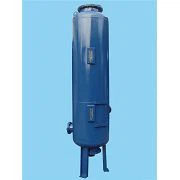
At our company, we offer a wide range of water softener products to meet the needs of our customers. Our High Efficiency Hardness Removal Industrial Water Softener Equipment Sodium Stainless Steel Carbon Steel Ion Exchanger is a high-performance water softener designed for industrial applications. This water softener uses a state-of-the-art ion exchange process to remove hardness from water and is available in both stainless steel and carbon steel construction.
Our Stainless Steel Ion Exchange Softening Vessel For Resin Water Softener Equipment is another popular product that is designed for use in residential and commercial water softening systems. This water softening vessel is made from high-quality stainless steel and is available in a variety of sizes to meet the needs of our customers.
Contact Us for More Information
If you're interested in learning more about our water softener products or would like to discuss your specific water treatment needs, please don't hesitate to contact us. Our team of experts is available to answer any questions you may have and to provide you with a free consultation. We look forward to helping you find the right water softener solution for your home or business.
References
- Water Quality Research Foundation. (Year). The Impact of Water Softening on Plumbing System Lifespan.
- American Water Works Association. (Year). Corrosion Control in Drinking Water Systems.