Hey there! As a supplier of water softeners, I often get asked if our products work in areas with high dissolved solids in water. It's a valid question, and I'm here to break it down for you.
First off, let's talk about what dissolved solids are. Dissolved solids refer to any minerals, salts, metals, cations, or anions dissolved in water. These can include calcium, magnesium, sodium, chloride, sulfate, and bicarbonate, among others. High levels of dissolved solids can make water "hard," which can lead to a variety of problems, such as scale buildup in pipes and appliances, reduced soap lathering, and a less pleasant taste and odor.
So, do water softeners work in areas with high dissolved solids? The short answer is yes, but it depends on the type of water softener and the specific composition of the dissolved solids.
How Water Softeners Work
Most water softeners use a process called ion exchange to remove calcium and magnesium ions, the main culprits of hard water. In an ion exchange water softener, hard water passes through a resin bed filled with tiny beads that are coated with sodium ions. As the calcium and magnesium ions in the water come into contact with the resin beads, they exchange places with the sodium ions. The calcium and magnesium ions stick to the resin beads, while the sodium ions are released into the water. This process effectively softens the water by removing the hard minerals.
Challenges in High Dissolved Solids Areas
However, in areas with high dissolved solids, there can be some challenges. One issue is that the resin bed in a water softener can become saturated more quickly. If there are a lot of dissolved solids in the water, the resin beads will attract and hold onto more ions, which means they'll reach their capacity faster and need to be regenerated more frequently. Regeneration is the process of flushing the resin bed with a brine solution to remove the accumulated calcium and magnesium ions and recharge the resin beads with sodium ions. More frequent regeneration can increase the cost of operating the water softener, both in terms of the salt used for regeneration and the water wasted during the process.
Another challenge is that high levels of certain dissolved solids, such as iron, manganese, or heavy metals, can damage the resin beads in the water softener. These metals can coat the resin beads and prevent them from effectively exchanging ions, reducing the efficiency of the water softener. In some cases, special pre - treatment may be required to remove these metals before the water enters the water softener.
Our Solutions
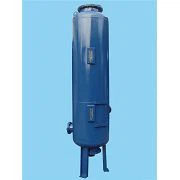
At our company, we offer a range of water softeners that are designed to handle high dissolved solids. For example, our Stainless Steel Ion Exchange Softening Vessel For Resin Water Softener Equipment is made of high - quality stainless steel, which is resistant to corrosion and can withstand the harsh conditions of water with high dissolved solids. The design of the vessel ensures efficient ion exchange and easy regeneration.
We also have the High Efficiency Hardness Removal Industrial Water Softener Equipment Sodium Stainless Steel Carbon Steel Ion Exchanger. This industrial - grade water softener is specifically engineered to handle large volumes of water with high levels of dissolved solids. It has a high - capacity resin bed and an advanced control system that can adjust the regeneration process based on the actual water quality, ensuring optimal performance and cost - effectiveness.
Case Studies
Let me share a couple of case studies to illustrate how our water softeners work in high dissolved solids areas. In a small town in the Midwest, the water had extremely high levels of calcium, magnesium, and iron. The local residents were experiencing severe scale buildup in their pipes and appliances, and the water had a metallic taste. We installed our industrial water softener with pre - treatment for iron removal. After the installation, the residents noticed a significant improvement in the water quality. The scale buildup stopped, the soap lathered better, and the water tasted much better.
In another case, a large manufacturing plant was having problems with its water - using equipment due to hard water. The water in the area had high dissolved solids, including a variety of salts and metals. We installed our high - efficiency ion exchange water softener, which was customized to meet the specific needs of the plant. The plant was able to reduce maintenance costs on its equipment and improve the quality of its products, as the softened water no longer caused scaling or corrosion.
Maintenance and Monitoring
To ensure that our water softeners continue to work effectively in areas with high dissolved solids, regular maintenance and monitoring are essential. We recommend that our customers have their water softeners serviced at least once a year. During the service, our technicians will check the resin bed, the control valves, and the brine tank to make sure everything is in good working order. We also suggest that customers test their water regularly to monitor the levels of dissolved solids and adjust the regeneration settings of the water softener as needed.

Conclusion
In conclusion, water softeners can work in areas with high dissolved solids, but it's important to choose the right type of water softener and take proper care of it. Our company offers a range of high - quality water softeners that are designed to handle the challenges of high dissolved solids. Whether you're a homeowner looking for a reliable water softener for your family or an industrial customer in need of a large - scale solution, we have the products and expertise to meet your needs.
If you're interested in learning more about our water softeners or need help choosing the right one for your area, don't hesitate to reach out. We're here to answer your questions and guide you through the purchasing process. Let's work together to ensure you have access to clean, soft water, no matter how high the dissolved solids in your area may be.
References
- Water Quality Association. (2023). Understanding Water Hardness and Softening.
- American Water Works Association. (2023). Water Treatment Principles and Design.