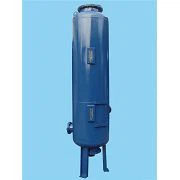
In the intricate world of brewing, the brewing tank stands as a cornerstone of the process, interacting with a multitude of other brewing equipment to transform raw ingredients into the beloved beverages we enjoy. As a brewing tank supplier, I've witnessed firsthand the symbiotic relationships that exist between brewing tanks and their counterparts in the brewing ecosystem. In this blog post, I'll delve into how a brewing tank interacts with other brewing equipment, shedding light on the crucial role it plays in the overall brewing process.
Mash Tun and Brewing Tank: The Foundation of Flavor
The journey of brewing often begins with the mash tun, where grains are mixed with hot water to convert starches into fermentable sugars. This sweet liquid, known as wort, is then transferred to the brewing tank for the next stage of the process. The interaction between the mash tun and the brewing tank is seamless, with the wort being carefully transferred through a network of pipes and valves.
One of the key considerations in this interaction is temperature control. The wort must be cooled to a suitable temperature before it can be pitched with yeast in the brewing tank. This is typically achieved using a heat exchanger, which rapidly cools the wort as it flows from the mash tun to the brewing tank. Maintaining the right temperature is crucial for the health and activity of the yeast, which will ultimately determine the flavor and quality of the final product.
Boiling Kettle and Brewing Tank: Harnessing the Power of Heat
After the wort has been transferred to the brewing tank, it is time for the boiling stage. The boiling kettle plays a vital role in this process, as it is where the wort is heated to a rolling boil and hops are added to impart bitterness, flavor, and aroma. Once the boiling process is complete, the hot wort is transferred back to the brewing tank for cooling and fermentation.
The interaction between the boiling kettle and the brewing tank is characterized by the transfer of heat and the addition of hops. The brewing tank must be able to withstand the high temperatures and pressures associated with the boiling process, as well as the chemical reactions that occur when hops are added to the wort. Additionally, the brewing tank must be designed to facilitate the efficient transfer of the hot wort from the boiling kettle, ensuring that it is cooled quickly and evenly to prevent the growth of unwanted bacteria.
Cooling System and Brewing Tank: Maintaining the Perfect Temperature
As mentioned earlier, temperature control is crucial in the brewing process, especially during fermentation. The cooling system plays a vital role in maintaining the ideal temperature range for yeast activity, which is typically between 18°C and 22°C (64°F and 72°F) for most beer styles.
The cooling system is typically connected to the brewing tank through a series of coils or jackets, which circulate a cooling medium, such as glycol or water, around the outside of the tank. This helps to dissipate the heat generated by the fermentation process and keep the temperature of the wort within the desired range. The interaction between the cooling system and the brewing tank is carefully monitored and controlled to ensure that the fermentation process proceeds smoothly and efficiently.
Yeast Propagation System and Brewing Tank: Cultivating the Microbial Magic
Yeast is the engine that drives the fermentation process, converting the sugars in the wort into alcohol and carbon dioxide. The yeast propagation system is responsible for cultivating and maintaining a healthy population of yeast cells, which are then pitched into the brewing tank to initiate fermentation.
The interaction between the yeast propagation system and the brewing tank is critical for the success of the fermentation process. The yeast must be pitched at the right time and in the right quantity to ensure that the fermentation process proceeds at the desired rate and produces the desired flavor profile. Additionally, the brewing tank must be designed to provide a suitable environment for the yeast to thrive, including the right temperature, pH, and oxygen levels.
Filtration System and Brewing Tank: Clarifying the Final Product
Once the fermentation process is complete, the beer is typically transferred to a filtration system to remove any remaining solids, such as yeast, hops, and sediment. The filtration system plays a crucial role in clarifying the final product, improving its appearance, and extending its shelf life.
The interaction between the filtration system and the brewing tank is characterized by the transfer of the fermented beer from the brewing tank to the filtration system. The brewing tank must be designed to facilitate the efficient transfer of the beer, ensuring that it is filtered quickly and effectively. Additionally, the brewing tank must be cleaned and sanitized regularly to prevent the growth of bacteria and other contaminants, which could affect the quality of the final product.
Conclusion
In conclusion, the brewing tank is a central component of the brewing process, interacting with a multitude of other brewing equipment to transform raw ingredients into the delicious beverages we enjoy. As a brewing tank supplier, I understand the importance of these interactions and the role that the brewing tank plays in ensuring the success of the brewing process.
If you're in the market for a high-quality brewing tank or other brewing equipment, I invite you to explore our range of products. We offer a wide selection of Stainless Steel Fermentation Tank Polished Or Sandblast External Surface Tri Clamp Ferrule Connection Size Customized, Beer Fermentation Exposed, and Stainless Steel Industrial 500L - 10000L Fermenter Beer Wine Brewing Vessel Fementation Storage Tank, all of which are designed to meet the needs of breweries of all sizes.
Whether you're a homebrewer looking to upgrade your equipment or a commercial brewery in need of a new brewing system, we're here to help. Contact us today to learn more about our products and how we can assist you in achieving your brewing goals.


References
- Bamforth, C. W. (2009). Beer: Tap into the Art and Science of Brewing. Oxford University Press.
- Fix, G., & Fix, L. (1999). An Analysis of Brewing Techniques. Brewers Publications.
- Kunze, W. (2019). Technology Brewing and Malting. VLB Berlin.