


As a supplier of mechanical filters, I've witnessed firsthand how the structure of these devices plays a pivotal role in their filtration process. In this blog, I'll delve into the intricate relationship between the structure of a mechanical filter and its filtration mechanism, exploring how different structural elements impact performance.
Basic Components of a Mechanical Filter
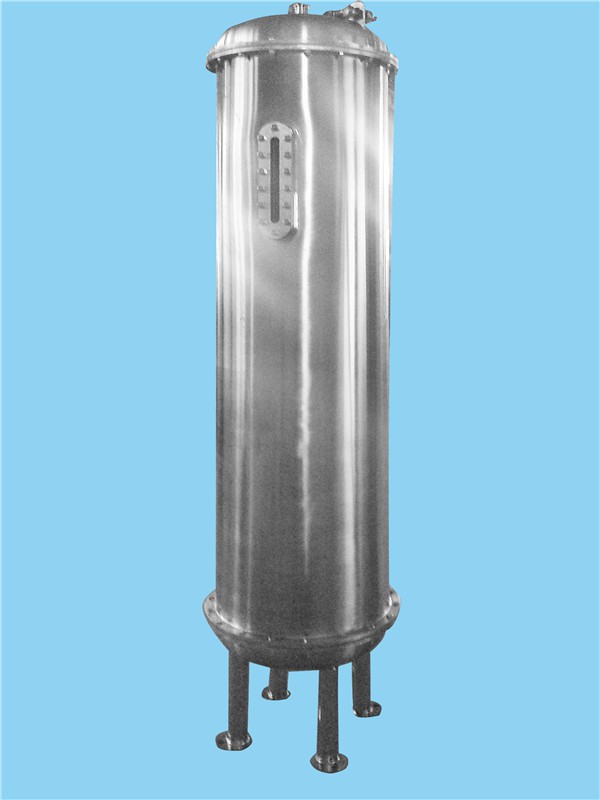
Before we explore the influence of structure on the filtration process, let's understand the basic components of a mechanical filter. A typical mechanical filter consists of a housing, filter media, and inlet and outlet ports. The housing provides the physical structure that contains the filter media and channels the fluid through the filter. The filter media is the core component responsible for removing impurities from the fluid. The inlet and outlet ports allow the fluid to enter and exit the filter.
Impact of Housing Structure
The housing structure of a mechanical filter has a significant impact on the filtration process. The material, shape, and size of the housing can all affect the flow of fluid through the filter and the efficiency of the filtration.
Material of the Housing
The material of the housing determines its durability, corrosion resistance, and compatibility with the fluid being filtered. For example, carbon steel is a common choice for housing due to its strength and affordability. However, it may be prone to corrosion in certain environments. Stainless steel, on the other hand, offers excellent corrosion resistance, making it suitable for filtering corrosive fluids. We offer a variety of housing materials to meet different application requirements, such as our Carbon Steel /ss 304/316 Multi Media Mechanical Filter Housing Double Flanges, which is available in carbon steel, SS 304, and SS 316, providing options for different levels of corrosion resistance.
Shape and Size of the Housing
The shape and size of the housing can affect the flow pattern of the fluid through the filter. A well - designed housing should ensure a uniform flow distribution across the filter media, preventing areas of high or low flow that can reduce filtration efficiency. For instance, a cylindrical housing is often used because it provides a more uniform flow path compared to irregularly shaped housings. The size of the housing also matters. A larger housing can accommodate more filter media, which may increase the filtration capacity and the service life of the filter. Our Stainless Steel/carbon Steel Lining Rubber Water Filter Multi Media Tank With Media Sand Or Ative Carbon comes in various sizes, allowing customers to choose the one that best suits their flow rate and filtration requirements.
Influence of Filter Media Structure
The structure of the filter media is perhaps the most critical factor in the filtration process. Filter media can be classified into different types based on their structure, such as granular media, fibrous media, and membrane media.
Granular Media
Granular media, such as sand, gravel, and activated carbon, are commonly used in mechanical filters. The size, shape, and packing density of the granules affect the filtration performance. Smaller granules provide a larger surface area for particle capture, but they may also cause higher pressure drops. The shape of the granules can also influence the flow of fluid through the media. For example, spherical granules tend to have a more uniform flow path compared to irregularly shaped granules. Our Stainless Steel/carbon Steel Active Carbon Medium Filter Housing Various Kinds Size Customizable uses activated carbon as the filter media, which has a high surface area and excellent adsorption properties for removing organic compounds and odors from the fluid.
Fibrous Media
Fibrous media, such as cotton, polyester, and glass fibers, are used in applications where fine particle filtration is required. The fiber diameter, density, and orientation determine the filtration efficiency and the pressure drop. Finer fibers can capture smaller particles, but they may also clog more easily. The orientation of the fibers can affect the flow resistance and the particle capture mechanism. For example, randomly oriented fibers can provide a more tortuous flow path, increasing the chances of particle capture.
Membrane Media
Membrane media are thin, porous materials with well - defined pore sizes. They are capable of removing very fine particles and microorganisms from the fluid. The pore size, porosity, and surface properties of the membrane determine its filtration performance. A smaller pore size can achieve higher filtration precision, but it may also have a lower flow rate. Membrane filters are often used in applications where high - purity filtration is required, such as in the pharmaceutical and semiconductor industries.
Flow Path and Distribution
The design of the flow path within the mechanical filter is crucial for ensuring efficient filtration. A proper flow path should allow the fluid to pass through the filter media evenly, maximizing the contact between the fluid and the media.
Inlet and Outlet Design
The location and design of the inlet and outlet ports can affect the flow distribution within the filter. An improper inlet design may cause uneven flow, leading to areas of the filter media being underutilized. For example, if the inlet is located too close to one side of the filter, the fluid may flow preferentially through that side, reducing the overall filtration efficiency. A well - designed inlet should distribute the fluid evenly across the cross - section of the filter media.
Baffles and Flow Distributors
Baffles and flow distributors are often used in mechanical filters to improve the flow distribution. Baffles are plates or barriers that redirect the flow of fluid, creating a more uniform flow pattern. Flow distributors are devices that spread the fluid evenly across the filter media. These components help to ensure that all parts of the filter media are effectively utilized, increasing the filtration efficiency and the service life of the filter.
Impact on Filtration Efficiency and Capacity
The structure of the mechanical filter ultimately affects its filtration efficiency and capacity. Filtration efficiency refers to the ability of the filter to remove impurities from the fluid, while filtration capacity refers to the amount of impurities that the filter can hold before it needs to be replaced or cleaned.
Efficiency
A well - structured filter with a uniform flow distribution and appropriate filter media can achieve high filtration efficiency. By ensuring that the fluid comes into contact with a large surface area of the filter media, more impurities can be captured. For example, a filter with a properly designed housing and evenly packed granular media can remove a high percentage of suspended solids from the fluid.

Capacity
The capacity of the filter is related to the amount of filter media and the way it is structured. A larger filter with more filter media can generally hold more impurities. Additionally, the structure of the filter media can affect how the impurities are retained. For example, a filter media with a high porosity can hold more impurities without significantly increasing the pressure drop.
Conclusion
In conclusion, the structure of a mechanical filter has a profound influence on its filtration process. The housing structure, filter media structure, flow path design, and other factors all interact to determine the filtration efficiency, capacity, and service life of the filter. As a mechanical filter supplier, we understand the importance of these structural elements and offer a wide range of products with different structures to meet the diverse needs of our customers.
If you are looking for high - quality mechanical filters or have specific filtration requirements, we invite you to contact us for procurement and negotiation. Our team of experts is ready to provide you with professional advice and customized solutions.
References
- Cheremisinoff, N. P. (2002). Handbook of Filter Media. Butterworth - Heinemann.
- Wakeman, R. J., & Tarleton, E. S. (2005). Solid/Liquid Filtration and Separation Technology. Wiley - VCH.
- Purchas, D. B., & Sutherland, L. (2002). Industrial Filtration of Liquids. Elsevier.


