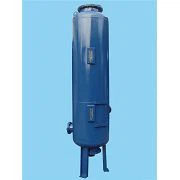
Hey there! As a supplier of SS304 water tanks, I often get asked about how to connect these tanks to a plumbing system. It might seem a bit daunting at first, but with the right steps and a bit of know - how, it's actually a manageable task. In this blog, I'll walk you through the process step by step.
1. Preparation
Before you start connecting your SS304 water tank to the plumbing system, you need to make sure you have all the necessary tools and materials. You'll need a pipe cutter, wrenches (both adjustable and pipe wrenches), Teflon tape, a soldering kit if you're using copper pipes, and of course, the appropriate pipes and fittings.
Also, it's crucial to choose the right location for your water tank. Make sure the area is level, well - ventilated, and can support the weight of the full tank. SS304 water tanks are made of high - quality stainless steel, which is durable but can still be heavy when filled with water.
2. Understanding Your Plumbing System
The first thing you need to do is understand the layout of your existing plumbing system. You need to know where the main water supply line comes in and where you want the water from the tank to go. This could be to your faucets, toilets, or other water - using appliances.
If you're not sure about the plumbing layout, it might be a good idea to consult a professional plumber. They can help you map out the best way to connect the tank to your system. But if you're feeling confident, you can do it yourself.
3. Connecting the Inlet Pipe
The inlet pipe is the one that brings water into the tank. Start by shutting off the main water supply. This is a safety measure to prevent any water from flowing while you're making the connections.
Measure and cut the appropriate length of pipe to connect the main water supply to the inlet of the SS304 water tank. Use a pipe cutter to make a clean cut. Then, wrap Teflon tape around the male threads of the pipe fittings. This helps create a watertight seal.
Connect the pipe to the inlet of the tank using the appropriate fittings. You might need to use a wrench to tighten the connections, but be careful not to overtighten as this could damage the fittings or the tank.
4. Installing the Outlet Pipe
The outlet pipe is what takes water from the tank to the rest of your plumbing system. Similar to the inlet pipe, measure and cut the pipe to the right length. Wrap Teflon tape around the male threads of the fittings.
Connect the outlet pipe to the tank's outlet fitting. Again, use a wrench to tighten the connections. Make sure the outlet pipe is sloped slightly downward to allow for proper water flow.
5. Adding Valves
Valves are important components in your plumbing system. They allow you to control the flow of water. Install a shut - off valve on the inlet pipe. This way, if you ever need to work on the tank or the plumbing system, you can easily turn off the water supply to the tank.
You might also want to install a pressure relief valve. This valve helps prevent over - pressurization in the tank, which can be dangerous. Follow the manufacturer's instructions when installing these valves.
6. Testing the Connections
Once you've made all the connections, it's time to test them. Turn on the main water supply slowly. Check for any leaks around the connections. You might need to tighten the fittings a bit more if you see any water dripping.


Let the tank fill up and check the water flow to the rest of your plumbing system. Make sure all the faucets and appliances are getting water properly.
Benefits of Using SS304 Water Tanks
SS304 water tanks have several advantages. They are resistant to corrosion, which means they can last for a long time without developing rust or other forms of damage. This is especially important if you're using the tank to store drinking water.
These tanks are also hygienic. Stainless steel is a non - porous material, which means it doesn't harbor bacteria or other contaminants. So, the water stored in an SS304 tank stays clean and safe to use.
Different Types of SS304 Water Tanks
We offer a variety of SS304 water tanks to suit different needs. You can check out our Stainless Steel Water Storage Pressure Filter Tank Ellipse Sanitary Water Tank Flange Ferrule Types if you're looking for a tank with special filtration and pressure - handling capabilities.
Our Stainless Steel Sanitary Water Tank Cone is a great option if you need a tank with a unique shape. And for those who need a water pressure tank with a cone design, our SS304/316L water pressure tank cone santiary water holding vessel is the way to go.
Conclusion
Connecting an SS304 water tank to a plumbing system might seem like a complex task, but if you follow these steps, you'll be able to do it successfully. Remember to take your time, use the right tools, and test the connections thoroughly.
If you're interested in purchasing an SS304 water tank or have any questions about the installation process, feel free to reach out. We're here to help you with all your water tank needs. Whether you're a homeowner looking to upgrade your water storage or a business in need of a reliable water tank solution, we've got you covered.
References
- "Plumbing for Dummies" by Richard D. Trethewey and Carson Dunlop
- Manufacturer's guides for SS304 water tanks and plumbing fittings