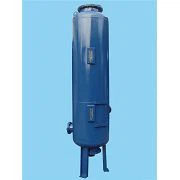
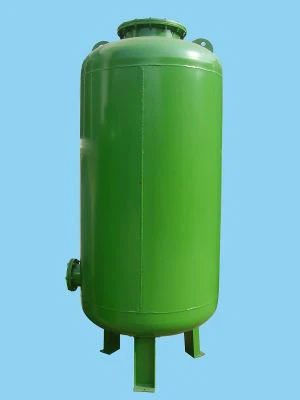
As a seasoned provider of mixing tanks, I understand the intricacies involved in operating a high - shear mixing tank. High - shear mixing tanks are crucial in a variety of industries, including food and beverage, pharmaceuticals, cosmetics, and chemical manufacturing. They are designed to break down particles, disperse ingredients, and create homogeneous mixtures efficiently. In this blog, I will guide you through the step - by - step process of operating a high - shear mixing tank, ensuring optimal performance and product quality.
Pre - operation Preparation
Before starting the high - shear mixing tank, thorough preparation is essential. First, you need to inspect the tank for any visible damage, such as cracks or leaks. Check the seals and gaskets to ensure they are in good condition, as any leaks can lead to product loss and potential safety hazards.
Next, clean the tank and all its components. This is especially important in industries with strict hygiene standards, like the food and pharmaceutical sectors. Use appropriate cleaning agents and follow the recommended cleaning procedures. For instance, in a food - grade application, you might use a mild detergent solution followed by a thorough rinse with clean water.
Select the appropriate impeller for your mixing task. High - shear mixing tanks often come with different types of impellers, each designed for specific applications. For example, a saw - tooth impeller is excellent for breaking down large particles, while a pitched - blade impeller is better for gentle mixing and circulation.
Gather all the ingredients required for the mixing process. Make sure they are properly measured and ready to be added to the tank. This step is crucial for achieving the desired product consistency and quality.
Startup Procedure
Once the pre - operation checks are complete, it's time to start the high - shear mixing tank. First, fill the tank with the base liquid. You can use a pump or a gravity - fed system, depending on the setup of your facility. Ensure that the liquid level is within the recommended range for the tank.
Turn on the power supply to the mixing tank. Most high - shear mixing tanks have a control panel where you can set the operating parameters. Start by setting the impeller speed to a low level. This allows the impeller to gradually start rotating and prevents any sudden jolts or damage to the equipment.


Slowly add the solid ingredients or additives to the tank while the impeller is running. This helps in better dispersion of the particles. For example, if you are making a cosmetic cream, you might add the emulsifiers and thickeners slowly to ensure they are evenly distributed in the base liquid.
Monitor the temperature and pressure inside the tank. Some high - shear mixing processes generate heat, and it's important to keep the temperature within the acceptable range for the product. You can use temperature sensors and pressure gauges installed on the tank to keep track of these parameters.
Mixing Process
During the mixing process, it's crucial to maintain the proper impeller speed. The speed depends on various factors, such as the viscosity of the mixture, the size of the particles, and the desired level of dispersion. In general, higher speeds are required for breaking down large particles and achieving a more homogeneous mixture. However, excessive speed can also cause over - shearing, which may damage the product or the equipment.
Periodically check the mixture's consistency. You can take samples from the tank at regular intervals and visually inspect them or use analytical methods, such as particle size analysis or viscosity measurement. If the mixture is not reaching the desired consistency, you may need to adjust the impeller speed or the mixing time.
If you need to add additional ingredients during the mixing process, do it gradually. This ensures that the new ingredients are properly incorporated into the existing mixture. For example, in a chemical synthesis process, you might add catalysts or reactants in small increments over a period of time.
Monitoring and Adjustment
Throughout the mixing process, continuous monitoring is essential. Keep an eye on the power consumption of the mixing tank. An increase in power consumption may indicate that the impeller is facing more resistance, which could be due to a clog or an increase in the viscosity of the mixture.
Check the noise level of the tank. Unusual noises can be a sign of mechanical problems, such as a loose impeller or a worn - out bearing. If you notice any abnormal noises, stop the tank immediately and perform a detailed inspection.
Use the data from the temperature and pressure sensors to make adjustments as needed. If the temperature is rising too quickly, you may need to slow down the impeller speed or increase the cooling rate. Similarly, if the pressure is too high, you may need to check for blockages in the system.
Shutdown Procedure
Once the mixing process is complete, it's time to shut down the high - shear mixing tank. First, reduce the impeller speed to a low level and let it run for a few more minutes. This helps in flushing out any remaining particles from the impeller and the tank walls.
Turn off the power supply to the mixing tank. Drain the mixture from the tank using a valve or a pump. Make sure to follow the proper disposal procedures for any waste materials.
Clean the tank again after draining the mixture. This helps in preventing the buildup of residues, which can affect the performance of the tank in future operations.
Maintenance and Troubleshooting
Regular maintenance is crucial for the long - term performance of a high - shear mixing tank. This includes lubricating the bearings, checking the electrical connections, and inspecting the impeller for wear and tear. A well - maintained tank will have a longer lifespan and will operate more efficiently.
In case of any problems, such as a decrease in mixing efficiency or unusual noises, it's important to troubleshoot the issue promptly. Check the impeller for any damage or blockages. A clogged impeller can significantly reduce the mixing performance. Also, inspect the seals and gaskets for leaks, as this can lead to product loss and contamination.
If you are unsure about how to troubleshoot a problem, don't hesitate to contact the manufacturer or a professional technician. They have the expertise and experience to diagnose and fix the issue quickly.
Related Products
If you are interested in other types of tanks, we also offer a range of high - quality products. For example, you can check out our Water Pressure Tank/pressure Water Tank, which is perfect for storing and supplying water under pressure. Our Stainless Steel Sanitary Water Tank Cone is ideal for applications where hygiene is of utmost importance, such as in the food and beverage industry. And if you need a durable and reliable water - holding vessel, our SS304/316L water pressure tank cone santiary water holding vessel is a great choice.
Conclusion
Operating a high - shear mixing tank requires careful preparation, proper startup, and continuous monitoring. By following the steps outlined in this blog, you can ensure that your high - shear mixing process is efficient, safe, and produces high - quality products. If you have any questions about operating our high - shear mixing tanks or are interested in purchasing one, we encourage you to reach out to us for a detailed discussion. Our team of experts is always ready to assist you in finding the best solution for your mixing needs.
References
- "Mixing Technology Handbook" by Paul, E. L., Atiemo - Obeng, V. A., & Kresta, S. M.
- "Chemical Engineering Fluid Mechanics" by Darby, R.
- Manufacturer's manuals for high - shear mixing tanks.