


Hey there! As a pressure filter supplier, I've seen firsthand how important it is to keep your filters in top - notch condition. One of the most crucial maintenance tasks for a pressure filter is backwashing. In this blog, I'll walk you through how to perform backwashing on a pressure filter, step by step.
Why Backwashing Matters
Before we jump into the how - to, let's talk about why backwashing is so vital. Over time, as water passes through the pressure filter, contaminants, debris, and particles get trapped in the filter media. This build - up can reduce the filter's efficiency, slow down the water flow, and even lead to poor water quality. Backwashing is the process of reversing the flow of water through the filter, which dislodges and flushes out all those trapped impurities. By doing regular backwashing, you can extend the life of your filter, maintain optimal performance, and ensure that the water you're filtering is clean and safe.
What You'll Need
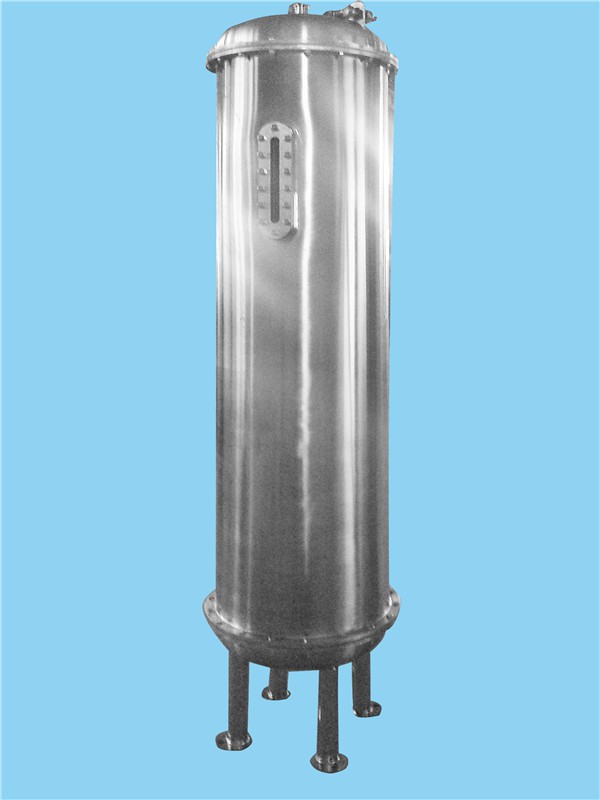
- A functioning pressure filter: We offer a range of great pressure filters, like the Stainless Steel/carbon Steel Mechanical Filter Device Quartz Sand Other Double Flange Multi Media Filter Vessel For Water Filteration. It's built to last and can handle a lot of filtration work.
- A clean water source: This is used for the backwashing process.
- Some basic tools: Depending on your filter model, you might need a wrench or pliers to open and close valves.
Step 1: Prepare for Backwashing
First things first, you need to turn off the normal filtration process. This usually means shutting off the pump that's pushing water through the filter. You don't want water flowing in the normal direction while you're trying to backwash. Also, make sure that the clean water source you'll be using for backwashing is ready and has enough pressure. You can check the pressure gauge on your water supply to ensure it's at an appropriate level.

Step 2: Set the Filter to Backwash Mode
Most pressure filters have a multi - port valve or a series of valves that you can adjust to change the flow direction. Locate the valve and turn it to the "backwash" position. This redirects the water flow so that it enters the filter from the bottom and exits from the top, which is the opposite of the normal filtration flow. Some valves might be a bit stubborn, so if you need to, use your wrench or pliers gently to turn it.
Step 3: Start the Backwashing Process
Once the valve is set to the backwash position, turn on the pump that will push the clean water through the filter in the reverse direction. You'll notice that the water coming out of the drain line will start to look dirty. That's all the trapped debris and contaminants being flushed out. Let the backwashing process run for about 5 - 10 minutes. The exact time can vary depending on the size of your filter and how dirty it is. You can keep an eye on the water coming out of the drain. When it starts to look clear, it's a good sign that most of the impurities have been removed.
Step 4: Rinse the Filter
After the backwashing is done, you need to rinse the filter. Turn the multi - port valve to the "rinse" position. This allows clean water to flow through the filter in the normal direction for a short period, usually around 2 - 3 minutes. The purpose of rinsing is to remove any remaining loose debris and to settle the filter media back into place.
Step 5: Return to Normal Filtration
Once the rinse is complete, turn the multi - port valve back to the "filter" position. Then, turn on the normal filtration pump again. Now your filter is ready to go back to work, filtering water efficiently.
Tips for Effective Backwashing
- Frequency: How often you backwash depends on how much water you're filtering and the quality of the water. If you're filtering water with a high level of contaminants, you might need to backwash more frequently, maybe once a week or even more often. For cleaner water sources, backwashing once every few weeks could be sufficient.
- Monitor the Pressure: Keep an eye on the pressure gauge on your filter. If the pressure starts to increase significantly, it could be a sign that the filter is getting clogged and needs to be backwashed.
- Check the Filter Media: Every once in a while, you should inspect the filter media. If it looks worn out or if there's a lot of debris that can't be removed by backwashing, you might need to replace the media. We have a great selection of filter media, including the Stainless Steel/carbon Steel Active Carbon Medium Filter Housing Various Kinds Size Customizable and the Stainless Steel/carbon Steel Lining Rubber Water Filter Multi Media Tank With Media Sand Or Ative Carbon.
Troubleshooting
- Low Backwash Pressure: If you're not getting enough pressure during the backwashing process, check if there are any blockages in the water supply line or the drain line. Also, make sure that the pump is working properly.
- Dirty Water After Rinsing: If the water still looks dirty after rinsing, it could mean that the filter media is too clogged or damaged. You might need to do a more thorough cleaning or replace the media.
Conclusion
Performing backwashing on a pressure filter is a relatively simple but essential task. By following these steps and keeping up with regular maintenance, you can ensure that your pressure filter works efficiently for a long time. Whether you're using our Stainless Steel/carbon Steel Mechanical Filter Device Quartz Sand Other Double Flange Multi Media Filter Vessel For Water Filteration or any other filter, proper backwashing is key.
If you're in the market for a new pressure filter or need more information about our products, feel free to reach out for a procurement discussion. We're here to help you find the best filtration solution for your needs.

References
- Water Filtration Handbook: A guide on different filtration techniques and maintenance.
- Pressure Filter Manufacturer's Manuals: These provide specific instructions for each filter model.


