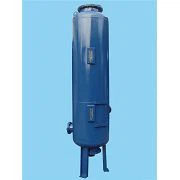
Hey there! As a supplier of PP filter housing, I often get asked about the flow rate of a typical PP filter housing. It's a super important topic, especially for those in industries that rely on filtration systems. So, let's dive right in and break it down.
First off, what's a PP filter housing? Well, PP stands for polypropylene. It's a type of plastic that's commonly used in filter housings because it's durable, resistant to corrosion, and can handle a wide range of temperatures. These housings are designed to hold filter cartridges and are used in various applications, from water treatment to chemical processing.
Now, the flow rate of a PP filter housing is basically how much fluid can pass through it in a given amount of time. It's usually measured in gallons per minute (GPM) or liters per minute (LPM). The flow rate depends on several factors, and I'll go through them one by one.
Factors Affecting Flow Rate
Filter Cartridge Size and Type
The size and type of the filter cartridge inside the housing play a huge role in determining the flow rate. Larger cartridges generally have a higher flow rate because they have more surface area for the fluid to pass through. For example, a 40-inch filter cartridge will typically have a higher flow rate than a 20-inch one.
There are also different types of filter cartridges, such as pleated, string-wound, and melt-blown. Pleated cartridges usually offer a higher flow rate because they have a larger surface area due to their folded design.
Pressure Differential
The pressure differential across the filter housing is another key factor. This is the difference in pressure between the inlet and the outlet of the housing. The higher the pressure differential, the faster the fluid will flow through the filter. However, you need to be careful not to exceed the maximum pressure rating of the housing or the filter cartridge, as this can damage the system.


Viscosity of the Fluid
The viscosity of the fluid being filtered also affects the flow rate. Viscosity is a measure of how thick or sticky a fluid is. Thicker fluids, like oils or syrups, will flow more slowly through the filter housing compared to thinner fluids, like water. So, if you're filtering a highly viscous fluid, you might need a filter housing with a higher flow rate or a different type of filter cartridge that can handle the viscosity.
Number of Filter Cartridges
The number of filter cartridges installed in the housing can also impact the flow rate. Adding more cartridges increases the overall surface area available for filtration, which can increase the flow rate. However, you need to make sure that the housing is designed to accommodate the additional cartridges and that the pressure drop across the system remains within acceptable limits.
Typical Flow Rates
So, what are the typical flow rates for a PP filter housing? Well, it really depends on the factors I mentioned above. For a small, single-cartridge PP filter housing used in a residential water filtration system, the flow rate might be around 5 - 10 GPM (19 - 38 LPM). This is usually sufficient for filtering water for a single household.
For larger, multi-cartridge PP filter housings used in industrial applications, the flow rate can be much higher. Some industrial filter housings can handle flow rates of 50 GPM (189 LPM) or more. These are often used in applications like water treatment plants, chemical manufacturing, and food and beverage processing.
Here are some of the products we offer that are great examples of PP filter housings with different flow rate capabilities:
- SS304/316L PP/222/226 type Cartridge filter housing basic flange type without legs with SS cup or spring: This housing is designed for applications where you need a reliable and durable filter housing with a decent flow rate. It's suitable for a variety of industries and can be customized to meet your specific requirements.
- Ss304 316L Cartridge Filter Housing Common Flange Top Closure Housings Without Legs: This type of housing offers a good balance between flow rate and cost. It's a popular choice for many industrial applications and can be easily integrated into existing filtration systems.
- Stainless Steel Normal Double Flange Cartridge Filter Housing For Water Treatment With Legs: If you're in the water treatment industry, this housing is a great option. It's designed to handle high flow rates and is built to last in harsh environments.
How to Determine the Right Flow Rate for Your Application
Now that you know what affects the flow rate and what the typical flow rates are, how do you determine the right flow rate for your specific application? Here are some steps you can follow:
Identify Your Filtration Requirements
First, you need to figure out what you're filtering and how much of it you need to filter. This will depend on your industry, the type of process you're using, and the quality of the fluid you need to achieve. For example, if you're filtering water for a small business, you might need a lower flow rate compared to a large industrial plant.
Calculate the Required Flow Rate
Once you know your filtration requirements, you can calculate the required flow rate. You can do this by considering the volume of fluid you need to filter per unit of time. For example, if you need to filter 100 gallons of water per hour, you'll need a filter housing with a flow rate of at least 1.67 GPM (6.32 LPM).
Consider Future Expansion
It's always a good idea to consider future expansion when choosing a filter housing. If you think your filtration needs might increase in the future, it's better to choose a filter housing with a higher flow rate than you currently need. This will save you the hassle and cost of having to replace the housing later on.
Why Choose Our PP Filter Housings
As a supplier of PP filter housings, we take pride in offering high-quality products that meet the needs of our customers. Here are some reasons why you should choose our filter housings:
Quality Materials
We use only the highest quality materials in the manufacturing of our filter housings. Our PP filter housings are made from durable polypropylene that can withstand the rigors of various applications. We also offer stainless steel options for added strength and corrosion resistance.
Customization Options
We understand that every customer has unique requirements, so we offer a wide range of customization options. Whether you need a specific size, shape, or configuration, we can work with you to create a filter housing that meets your exact needs.
Competitive Pricing
We believe that high-quality products shouldn't come with a high price tag. That's why we offer our PP filter housings at competitive prices without compromising on quality. We want to make sure that you get the best value for your money.
Excellent Customer Service
Our team of experts is always ready to assist you with any questions or concerns you might have. We provide excellent customer service from the moment you contact us until after the sale. We're committed to making sure that you're satisfied with your purchase.
If you're interested in learning more about our PP filter housings or need help determining the right flow rate for your application, don't hesitate to reach out. We're here to help you find the perfect filtration solution for your needs.
References
- "Filtration Basics" - Filtration + Separation Magazine
- "Understanding Filter Flow Rates" - Water Quality Association
- "Industrial Filtration Handbook" - Elsevier