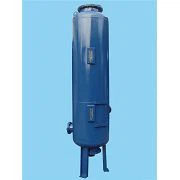
Hey there! As a supplier of fermenting tanks, I often get asked about the number of baffles usually installed in these tanks. So, I thought I'd write this blog to share some insights on this topic.
First off, let's talk about what baffles are and why they're important in a fermenting tank. Baffles are vertical plates or structures installed inside the tank. Their main job is to disrupt the flow of the liquid or gas mixture during the fermentation process. This disruption helps in achieving better mixing, heat transfer, and overall fermentation efficiency.
The number of baffles in a fermenting tank can vary depending on several factors. One of the most significant factors is the size of the tank. Smaller tanks, say those with a capacity of less than 500 liters, might only need 2 - 3 baffles. These smaller tanks have less volume to work with, and a few well - placed baffles can effectively improve the mixing within the limited space.
For medium - sized tanks, ranging from 500L to 5000L, it's common to install 4 baffles. The additional baffle compared to smaller tanks helps in creating more complex flow patterns, ensuring that the fermentation medium is thoroughly mixed. This is crucial for maintaining consistent temperature and nutrient distribution throughout the tank.
Now, when we move on to large - scale industrial fermenting tanks with a capacity of over 5000L, 4 - 6 baffles are typically used. These larger tanks require more baffles to handle the increased volume and to counteract the natural tendency of the liquid to form large eddies or dead zones. With more baffles, the flow is more turbulent, and the chances of uneven fermentation are significantly reduced.
Another factor that influences the number of baffles is the type of fermentation process. For example, in a beer fermentation process, proper mixing is essential to ensure that the yeast is evenly distributed and that the flavors develop uniformly. In this case, a well - designed fermenting tank with an appropriate number of baffles can make a big difference. You can learn more about beer fermentation on our page Beer Fermentation Exposed.
The shape of the tank also plays a role. Cylindrical tanks are the most common type of fermenting tanks, and they usually follow the baffle numbers mentioned above. However, if the tank has an irregular shape, the number and placement of baffles may need to be adjusted accordingly. The goal is always to achieve the best possible mixing and fermentation conditions.
Material is another aspect to consider. We offer Stainless Steel Industrial 500L - 10000L Fermenter Beer Wine Brewing Vessel Fementation Storage Tank which is made of high - quality stainless steel. Stainless steel is a popular choice for fermenting tanks because it's durable, easy to clean, and resistant to corrosion. The material doesn't affect the number of baffles directly, but it does influence the overall performance and longevity of the tank.
When it comes to the design of the baffles themselves, they can be of different shapes and sizes. Some baffles are flat plates, while others might have a curved or angled design. The choice of baffle design depends on the specific requirements of the fermentation process. A well - designed baffle can enhance the mixing effect and reduce the energy consumption required for agitation.
We also provide Stainless Steel Fermentation Tank Polished Or Sandblast External Surface Tri Clamp Ferrule Connection Size Customized. These tanks can be customized according to your specific needs, including the number and design of the baffles. Whether you're a small craft brewery or a large - scale industrial producer, we can work with you to create the perfect fermenting tank.
Now, you might be wondering how to determine the exact number of baffles for your particular situation. Well, it's always a good idea to consult with an expert. Our team has years of experience in designing and manufacturing fermenting tanks, and we can help you make the right decision based on your fermentation process, tank size, and other requirements.
In addition to the number of baffles, other factors like the speed of agitation, the type of impeller used, and the temperature control system also contribute to the overall success of the fermentation process. It's a complex system, and every component needs to work in harmony to achieve the best results.
If you're in the market for a fermenting tank, don't hesitate to reach out to us. We're here to help you find the perfect solution for your fermentation needs. Whether you need a small, medium, or large - scale tank, we can provide you with high - quality products and excellent customer service.
To sum it up, the number of baffles in a fermenting tank usually ranges from 2 - 6, depending on the tank size, fermentation process, and tank shape. But remember, these are just general guidelines, and the best way to determine the right number is to consult with professionals.
If you have any questions or want to start a conversation about purchasing a fermenting tank, feel free to get in touch. We're eager to assist you in making the best choice for your business.


References
- Principles of Fermentation Technology by P. F. Stanbury, A. Whitaker, and S. J. Hall
- Fermentation Microbiology and Biotechnology by Daniel I. C. Wang, Michael J. Hecht, and Gregory T. Tsao