In the realm of water storage solutions, SS304 water tanks have emerged as a popular choice due to their durability, corrosion resistance, and hygienic properties. As a supplier of SS304 water tanks, I often receive inquiries about their insulation performance. In this blog post, I will delve into the factors that affect the insulation performance of SS304 water tanks and why it matters.
Understanding SS304 Water Tanks
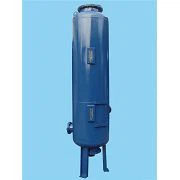
SS304, also known as 18/8 stainless steel, contains 18% chromium and 8% nickel. This composition gives it excellent corrosion resistance, making it suitable for storing water in various environments. SS304 water tanks come in different shapes and sizes, including Stainless Steel Water Storage Pressure Filter Tank Ellipse Sanitary Water Tank Flange Ferrule Types, Stainless Steel Water Tank Ellipse, and Water Pressure Tank/pressure Water Tank. These tanks are widely used in residential, commercial, and industrial settings for storing potable water, rainwater, and other liquids.
Importance of Insulation in Water Tanks
Insulation plays a crucial role in maintaining the temperature of the water stored in a tank. Here are some key reasons why insulation is important:
- Energy Efficiency: Insulated water tanks reduce heat loss, which means less energy is required to heat the water. This can lead to significant cost savings on energy bills, especially in regions with cold climates.
- Preventing Freezing: In cold weather, uninsulated water tanks are at risk of freezing, which can cause the tank to crack or burst. Insulation helps to keep the water above freezing point, protecting the tank from damage.
- Maintaining Water Quality: Insulation helps to keep the water at a stable temperature, which can prevent the growth of bacteria and other microorganisms. This is particularly important for potable water storage.
- Comfort: In residential settings, insulated water tanks ensure a constant supply of hot water, providing comfort and convenience for the occupants.
Factors Affecting the Insulation Performance of SS304 Water Tanks
The insulation performance of an SS304 water tank is influenced by several factors, including:
- Insulation Material: The type of insulation material used is one of the most important factors affecting insulation performance. Common insulation materials for water tanks include foam, fiberglass, and polyurethane. Each material has its own thermal conductivity, which determines how well it can resist heat transfer.
- Insulation Thickness: The thickness of the insulation layer also plays a significant role in insulation performance. Generally, the thicker the insulation, the better the thermal resistance. However, there is a practical limit to how thick the insulation can be, as it can add to the cost and size of the tank.
- Tank Design: The design of the tank can also affect its insulation performance. For example, a tank with a smooth surface will have less heat transfer than a tank with a rough surface. Additionally, the shape of the tank can influence the distribution of heat within the tank.
- Installation Quality: Proper installation of the insulation is essential for achieving optimal insulation performance. Any gaps or voids in the insulation can allow heat to escape, reducing the effectiveness of the insulation.
Measuring Insulation Performance
The insulation performance of a water tank is typically measured in terms of its thermal resistance, which is expressed in units of R-value. The higher the R-value, the better the insulation performance. The R-value of an insulation material depends on its thickness and thermal conductivity. When choosing an insulated SS304 water tank, it is important to consider the R-value of the insulation to ensure that it meets your specific requirements.
Benefits of Our Insulated SS304 Water Tanks
As a supplier of SS304 water tanks, we offer a range of insulated tanks that are designed to provide excellent insulation performance. Here are some of the benefits of our insulated SS304 water tanks:


- High-Quality Insulation: We use high-quality insulation materials that have a low thermal conductivity, ensuring maximum heat retention.
- Customizable Options: We offer customizable insulation options to meet the specific needs of our customers. Whether you need a tank with a specific R-value or a particular insulation material, we can provide a solution that meets your requirements.
- Durable Construction: Our SS304 water tanks are constructed with high-quality stainless steel, ensuring durability and long-lasting performance. The insulation is also designed to withstand the rigors of daily use, providing reliable insulation for years to come.
- Energy Efficiency: Our insulated water tanks are designed to be energy-efficient, helping you to save on energy costs. By reducing heat loss, our tanks require less energy to maintain the temperature of the water, resulting in lower energy bills.
Conclusion
In conclusion, the insulation performance of an SS304 water tank is an important factor to consider when choosing a water storage solution. Insulation helps to maintain the temperature of the water, improve energy efficiency, prevent freezing, and maintain water quality. By understanding the factors that affect insulation performance and choosing a high-quality insulated SS304 water tank, you can ensure that your water storage needs are met effectively and efficiently.
If you are interested in learning more about our insulated SS304 water tanks or would like to discuss your specific requirements, please feel free to contact us. We are committed to providing our customers with the best quality products and services, and we look forward to the opportunity to work with you.
References
- ASHRAE Handbook of Fundamentals. American Society of Heating, Refrigerating and Air-Conditioning Engineers.
- Stainless Steel for Designers, Fabricators, and End Users. The Nickel Institute.