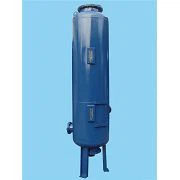
Hey there! As a supplier of Softening Vessels, I often get asked about the best type of salt for these vessels. It's a crucial question because the right salt can significantly impact the performance and lifespan of your softening system. So, let's dive right in and explore the different types of salts available and which one might be the best fit for your Softening Vessel.
First off, let's understand why salt is even necessary in a Softening Vessel. Softening vessels work by removing calcium and magnesium ions from hard water through a process called ion exchange. Inside the vessel, there's a resin bed that's charged with sodium ions. When hard water passes through this resin bed, the calcium and magnesium ions in the water swap places with the sodium ions on the resin. Over time, the resin becomes saturated with calcium and magnesium ions and needs to be regenerated. That's where salt comes in. During the regeneration process, a brine solution (made by dissolving salt in water) is flushed through the resin bed. The high concentration of sodium ions in the brine solution forces the calcium and magnesium ions off the resin and replaces them with sodium ions, effectively recharging the resin for another cycle of water softening.
Now, let's take a look at the different types of salt commonly used for softening vessels:
Rock Salt
Rock salt is one of the most affordable options out there. It's mined from underground salt deposits and is usually in the form of large, chunky crystals. One of the main advantages of rock salt is its cost - it's generally cheaper than other types of salt. However, it also has some drawbacks. Rock salt often contains impurities like dirt, clay, and other minerals. These impurities can accumulate in the softening vessel over time, leading to clogs in the brine tank and the resin bed. This can reduce the efficiency of the softening process and may even damage the system if not addressed. So, while rock salt can be a budget - friendly choice, it might not be the best long - term option for your Softening Vessel.


Solar Salt
Solar salt is made by evaporating seawater or brine from salt lakes using the sun's energy. It's a more refined option compared to rock salt. Solar salt typically comes in the form of small, white crystals. It has fewer impurities than rock salt, which means it's less likely to cause clogs in your softening system. Solar salt also dissolves more easily in water, making the regeneration process more efficient. However, it's a bit more expensive than rock salt. If you're looking for a balance between cost and performance, solar salt could be a great choice for your Softening Vessel. You can find high - quality Softening Vessels that work well with solar salt, like the Industrial Stainless Steel Water Filter Tank Resin Softening Vessel Water Softeners.
Evaporated Salt
Evaporated salt is the purest form of salt available for water softeners. It's made by evaporating brine under controlled conditions, usually in a factory. This process removes almost all impurities, leaving behind a very pure form of sodium chloride. Evaporated salt comes in either pellet or cube form. Pellets are small, cylindrical pieces, while cubes are larger, block - like shapes. The purity of evaporated salt means it dissolves quickly and completely in water, ensuring a thorough regeneration of the resin bed. It also reduces the risk of build - up and clogs in the softening vessel. However, it's the most expensive type of salt. If you have a high - end Softening Vessel and want to ensure optimal performance and longevity, evaporated salt is the way to go. For example, our 10 inch 40 inch Stainless steel water softening automatic pressure vessel machine with or without legs pairs really well with evaporated salt.
Potassium Chloride
Potassium chloride is an alternative to sodium - based salts. It's a good option for people who are on a low - sodium diet or want to reduce their sodium intake. When potassium chloride is used in a softening vessel, the potassium ions replace the calcium and magnesium ions in the water instead of sodium ions. This results in softened water that has a lower sodium content. However, potassium chloride is more expensive than sodium - based salts. It also requires more of it to achieve the same level of water softening as sodium chloride. So, while it's a great option for those with specific dietary needs, it might not be the most cost - effective choice for everyone.
So, which type of salt is best for your Softening Vessel? Well, it depends on several factors. If you're on a tight budget and don't mind dealing with a bit of maintenance to prevent clogs, rock salt could work for you. But if you want a more hassle - free experience and are willing to spend a bit more, solar salt is a good middle - ground option. For the best performance and to protect your investment in a high - quality Softening Vessel, evaporated salt is the top choice. And if you have dietary restrictions, potassium chloride is definitely worth considering.
It's also important to note that the type of salt you choose can affect the lifespan of your Softening Vessel. Using a high - quality, pure salt like evaporated salt can help keep your system running smoothly for longer, reducing the need for costly repairs and replacements. On the other hand, using a low - quality salt with a lot of impurities can lead to premature wear and tear on the system.
In addition to choosing the right salt, proper maintenance of your Softening Vessel is crucial. Make sure to regularly clean the brine tank to remove any accumulated impurities. Check the resin bed periodically to ensure it's functioning properly. And follow the manufacturer's instructions for salt usage and regeneration cycles.
If you're still not sure which type of salt is best for your specific Softening Vessel or have any other questions about water softening, don't hesitate to reach out. We're here to help you make the best decision for your water softening needs. Whether you're a homeowner looking to soften your household water or a business in need of an industrial - grade softening solution, we've got the expertise and the products to meet your requirements.
Contact us today to discuss your options and start enjoying the benefits of softened water. We can help you choose the right Softening Vessel and the appropriate salt for your situation. Let's work together to ensure you have the best water softening system possible.
References
- Water Quality Association. (n.d.). Water Softening Basics.
- American Water Works Association. (n.d.). Handbook of Water Supply and Pollution Control.