In the dynamic world of commercial kitchens, the quest for efficiency, cost - effectiveness, and high - quality food preparation is never - ending. One often overlooked but crucial aspect is the quality of water used in the kitchen. This is where softening vessels come into play. As a supplier of softening vessels, I am frequently asked whether these devices can be effectively utilized in a commercial kitchen setting. In this blog post, I will delve into the details to answer this question comprehensively.
Understanding Softening Vessels
Before discussing their applicability in commercial kitchens, let's first understand what softening vessels are. A softening vessel is a device designed to remove hardness - causing minerals, primarily calcium and magnesium, from water. This process is known as water softening. Inside the vessel, there is a resin bed. When hard water passes through the resin, the calcium and magnesium ions are exchanged for sodium or potassium ions, resulting in softened water.
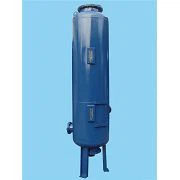
We offer a variety of softening vessels, such as the Industrial Stainless Steel Water Filter Tank Resin Softening Vessel Water Softeners. This type of vessel is made of high - quality stainless steel, which is durable and resistant to corrosion. It is suitable for large - scale water treatment applications, including those in commercial kitchens. Another option is the 10 inch 40 inch Stainless steel water softening automatic pressure vessel machine with or without legs. This machine offers flexibility in terms of size and installation, making it adaptable to different kitchen layouts.
The Problem of Hard Water in Commercial Kitchens
Hard water can cause a multitude of problems in a commercial kitchen. First and foremost, it leads to the formation of limescale. Limescale is a hard, chalky deposit that builds up over time on pipes, appliances, and kitchen equipment. In coffee machines, limescale can clog the internal components, reducing the machine's efficiency and lifespan. For example, a coffee machine that uses hard water may require more frequent descaling, which not only takes up time but also adds to the operating costs.
In dishwashers, limescale can prevent proper cleaning. Dishes may come out with spots and streaks, affecting the overall presentation of the restaurant's tableware. Moreover, hard water can react with soap and detergents, reducing their effectiveness. This means that more soap and detergent are needed to achieve the same level of cleanliness, increasing the cost of supplies.
Benefits of Using a Softening Vessel in a Commercial Kitchen
1. Protects Kitchen Equipment
By removing the hardness - causing minerals, a softening vessel can significantly reduce limescale buildup. This extends the lifespan of kitchen equipment such as boilers, water heaters, coffee machines, and dishwashers. For instance, a boiler that operates with softened water will not have to work as hard to heat the water, as there is no limescale insulating the heating elements. This not only saves energy but also reduces the likelihood of breakdowns and costly repairs.
2. Improves Food and Beverage Quality
Softened water can enhance the taste and quality of food and beverages. In the case of brewing coffee or tea, the absence of hard water minerals allows the true flavors of the coffee beans or tea leaves to shine through. The water's purity also affects the texture of cooked foods. For example, when cooking pasta or rice, softened water can result in a more consistent and desirable texture.
3. Reduces Detergent Usage
As mentioned earlier, hard water reduces the effectiveness of soap and detergents. With softened water, less detergent is needed to achieve the same level of cleaning. This not only cuts down on the cost of supplies but also has environmental benefits, as less detergent is released into the wastewater.
4. Enhances Customer Experience
Clean, spot - free dishes and high - quality food and beverages are essential for a positive customer experience. When customers are served coffee that tastes great and see clean, shiny tableware, it reflects well on the restaurant's image and can lead to increased customer satisfaction and loyalty.
Considerations When Using a Softening Vessel in a Commercial Kitchen
1. Capacity
Commercial kitchens have high water demands. It is crucial to choose a softening vessel with an appropriate capacity to meet the kitchen's daily water usage. A vessel that is too small will not be able to keep up with the demand, resulting in the supply of hard water at times. On the other hand, an oversized vessel can be a waste of resources and money.
2. Maintenance
Softening vessels require regular maintenance. This includes refilling the resin bed when necessary and ensuring that the regeneration process is working correctly. It is important to have a maintenance schedule in place to keep the vessel operating efficiently.
3. Cost
While the initial investment in a softening vessel may seem significant, the long - term savings in terms of equipment maintenance, reduced detergent usage, and improved energy efficiency make it a worthwhile investment. However, it is essential to compare the costs of different models and suppliers to find the most cost - effective solution.
Installation and Integration
Installing a softening vessel in a commercial kitchen requires careful planning. The vessel should be installed in a location where it has easy access to the water supply and drainage. It is also important to ensure that the installation does not interfere with the normal operation of the kitchen.
In some cases, the softening vessel may need to be integrated with the existing water treatment system. For example, it may be necessary to install additional filters or pumps to ensure that the water is properly treated before and after passing through the softening vessel.
Conclusion
In conclusion, a softening vessel can be a valuable addition to a commercial kitchen. It addresses the problems associated with hard water, protects kitchen equipment, improves food and beverage quality, and enhances the overall customer experience. As a supplier of softening vessels, I have seen firsthand the positive impact that these devices can have on commercial kitchens.
If you are interested in learning more about our softening vessels or would like to discuss a potential purchase, I encourage you to reach out. We can provide you with detailed information about our products, help you choose the right model for your kitchen, and assist with installation and maintenance. Let's work together to ensure that your commercial kitchen operates at its best with the help of high - quality water treatment solutions.


References
- American Water Works Association. (2019). Water Quality and Treatment: A Handbook of Community Water Supplies. McGraw - Hill Education.
- European Commission. (2020). Sustainable Water Management in the Food and Beverage Industry. Publications Office of the European Union.