Can mechanical filters be customized?

As a supplier of mechanical filters, I often get asked this question by customers. The short answer is yes, mechanical filters can be customized to meet specific requirements. In this blog post, I'll explore the various aspects of customizing mechanical filters, including the reasons for customization, the customization options available, and how to go about the customization process.
Reasons for Customizing Mechanical Filters
There are several reasons why customers may choose to customize mechanical filters. One of the most common reasons is to fit specific application needs. Different industries and processes have unique requirements for filtration. For example, in the food and beverage industry, filters need to meet strict hygiene standards. Customizing a mechanical filter allows for the use of materials that are food - grade and resistant to corrosion from various food products.
Another reason is to optimize performance. Standard filters may not always provide the ideal level of filtration efficiency, flow rate, or pressure drop for a particular system. By customizing the filter, we can adjust parameters such as the pore size, media type, and filter dimensions to achieve the best possible performance for the given application.
Cost - effectiveness can also be a driving factor. In some cases, a customized filter can be designed to reduce the overall cost of filtration. This might involve using more durable materials that require less frequent replacement or designing a filter that uses less energy to operate.
Customization Options
Material Selection
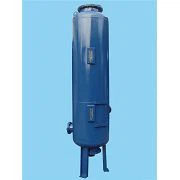
The choice of material for a mechanical filter is crucial as it affects the filter's durability, chemical resistance, and compatibility with the fluid being filtered. We offer a wide range of materials for customization. For instance, Carbon Steel /ss 304/316 Multi Media Mechanical Filter Housing Double Flanges are available. Carbon steel is a cost - effective option for applications where corrosion is not a major concern. Stainless steel grades like SS 304 and SS 316, on the other hand, are highly resistant to corrosion and are suitable for applications involving harsh chemicals or high - purity fluids.
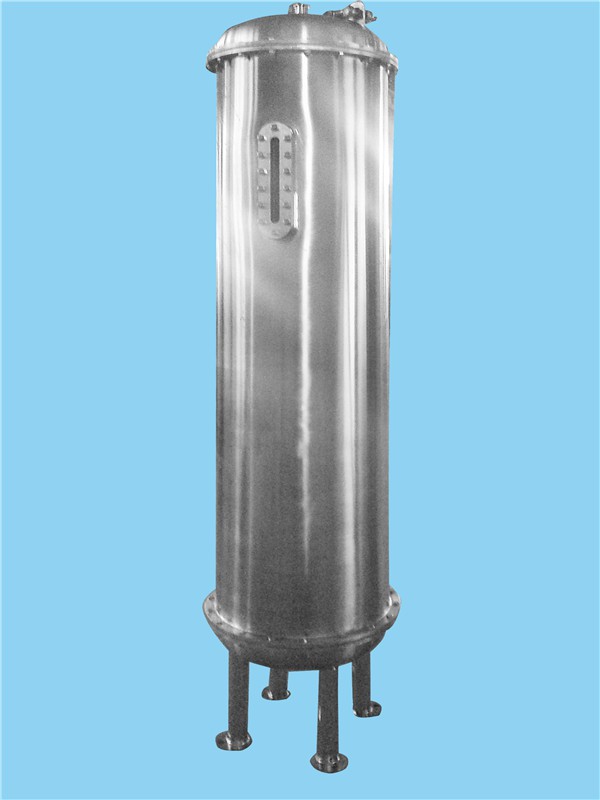
Stainless steel mechanical media filter housing for water treatment mechanical fluid filtration is an excellent choice for water treatment applications. Stainless steel is non - reactive with water and can withstand the constant flow and pressure changes associated with water treatment processes.
Filter Media
The filter media is responsible for capturing particles and contaminants from the fluid. Different types of media have different filtration capabilities. We can customize the filter media based on the size of the particles to be removed and the nature of the fluid. For example, if the application requires the removal of very fine particles, we can use a high - efficiency media with a small pore size. If the fluid contains a large amount of debris, a coarser media may be more appropriate to prevent clogging.
Filter Dimensions
The size and shape of the filter can also be customized. The dimensions of the filter need to fit into the existing filtration system. We can design filters with different diameters, lengths, and configurations to ensure a proper fit. For example, Quick Lock Opening Multi Media Pressure Filter Housing Carbon Steel offers a unique design that allows for easy and quick access to the filter media for maintenance. This type of customization can save time and labor costs during filter replacement and cleaning.
Flow Rate and Pressure Drop
Customizing the filter to achieve the desired flow rate and pressure drop is essential for the efficient operation of the filtration system. By adjusting the filter media, the cross - sectional area of the filter, and the overall design, we can optimize these parameters. A well - designed customized filter will maintain a consistent flow rate while keeping the pressure drop within acceptable limits. This is important because excessive pressure drop can lead to increased energy consumption and reduced system efficiency.
The Customization Process
The first step in the customization process is to have a detailed discussion with the customer. We need to understand the specific requirements of the application, including the type of fluid to be filtered, the size of the particles to be removed, the desired flow rate, and any other relevant factors. This information helps us to determine the most appropriate customization options.
Once we have a clear understanding of the requirements, our engineering team will design the customized filter. We use advanced computer - aided design (CAD) software to create detailed 3D models of the filter. These models allow us to visualize the design and make any necessary adjustments before manufacturing.
After the design is finalized, we move on to the manufacturing stage. Our state - of - the - art manufacturing facilities are equipped with the latest machinery and technology to ensure high - quality production. We use strict quality control measures at every step of the manufacturing process to ensure that the customized filter meets or exceeds the customer's expectations.
Finally, we conduct thorough testing of the customized filter. We test the filter's performance in our in - house testing laboratory, simulating the actual operating conditions of the application. This allows us to verify that the filter meets the specified performance criteria before it is delivered to the customer.
Contact Us for Customized Mechanical Filters
If you are in need of a customized mechanical filter for your specific application, we are here to help. Our team of experienced engineers and technicians has the expertise and knowledge to design and manufacture high - quality customized filters. Whether you need a filter for water treatment, industrial processes, or any other application, we can provide a solution that meets your needs.
Don't hesitate to contact us to discuss your requirements. We look forward to working with you to develop the perfect mechanical filter for your project.
References
- "Filtration Handbook", by Christopher D. Cooper and D. A. Alley
- "Industrial Filtration for Process Applications", by Norman P. Cheremisinoff