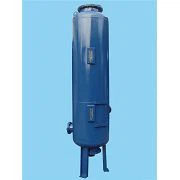
Hey there! As a supplier of dissolution tanks, I've had my fair share of experiences dealing with the ins and outs of installation requirements. In this blog, I'm gonna break down everything you need to know about getting a dissolution tank up and running properly.
Location, Location, Location
First off, the location where you plan to install the dissolution tank is super important. You gotta pick a spot that's level and stable. A wobbly or uneven surface can cause all sorts of problems down the line, like stress on the tank walls and potential leaks.
The area should also be well-ventilated. Dissolution processes often involve the release of gases or fumes, and proper ventilation helps keep the air quality in check and reduces the risk of explosion or health hazards. You don't want to end up in a situation where you're breathing in all those nasty chemicals!
Another thing to consider is accessibility. You need to make sure there's enough space around the tank for maintenance, inspection, and any future repairs. You don't want to be cramped up trying to work on the tank, right?
Structural Support
The dissolution tank needs to be supported properly to ensure its stability and longevity. Depending on the size and weight of the tank, you might need to build a custom support structure. This could be a concrete pad, steel frame, or some other type of foundation.
When designing the support structure, you have to take into account the weight of the tank when it's full of liquid, as well as any additional loads like pipes, valves, and equipment. It's better to over-engineer the support a bit than to have it fail later on.

Plumbing and Piping
Connecting the dissolution tank to the rest of your system is a crucial step. You need to make sure the plumbing and piping are installed correctly to prevent leaks and ensure proper flow.
The pipes should be made of materials that are compatible with the chemicals or substances being used in the dissolution process. For example, if you're working with corrosive chemicals, you'll need to use pipes made of materials like stainless steel or PVC.
Proper sizing of the pipes is also important. If the pipes are too small, it can restrict the flow and cause pressure issues. On the other hand, if they're too large, it can lead to inefficient use of resources.
Electrical Requirements
Many dissolution tanks come with electrical components like pumps, mixers, and heaters. You need to make sure the electrical system is installed safely and in accordance with local codes.
The tank should be grounded properly to prevent electrical shocks. You also need to ensure that the electrical connections are tight and secure to avoid any short circuits or electrical fires.
It's a good idea to have a dedicated electrical circuit for the dissolution tank to avoid overloading the system. This way, you can have better control over the power supply and reduce the risk of electrical problems.
Safety Features
Safety should always be a top priority when installing a dissolution tank. You need to install safety features like pressure relief valves, level sensors, and emergency shut-off switches.
Pressure relief valves are designed to release excess pressure in the tank to prevent it from bursting. Level sensors help you monitor the liquid level in the tank and prevent overfilling. Emergency shut-off switches allow you to quickly stop the operation of the tank in case of an emergency.
Installation by Professionals
While some smaller dissolution tanks can be installed by DIY enthusiasts, it's usually best to hire a professional installer. They have the experience and expertise to ensure that the tank is installed correctly and safely.
A professional installer will also be able to handle any unexpected issues that might arise during the installation process. They can make adjustments and modifications as needed to ensure that the tank meets all the requirements.
Additional Considerations
When it comes to dissolution tanks, there are also some other things to keep in mind. For example, if you're planning to use the tank for food or beverage production, you need to make sure it meets all the relevant health and safety standards.
You might also want to consider the environmental impact of the dissolution process. Look for ways to reduce waste and minimize the use of harmful chemicals.
Related Products
If you're interested in other types of tanks, we also offer some great options. Check out our Stainless Steel Industrial 500L - 10000L Fermenter Beer Wine Brewing Vessel Fementation Storage Tank. It's perfect for those in the brewing industry.
We also have the Stainless Steel Fermentation Tank Polished Or Sandblast External Surface Tri Clamp Ferrule Connection Size Customized. This tank offers a high level of customization to meet your specific needs.
And if you want to learn more about the beer fermentation process, check out Beer Fermentation Exposed.
Let's Connect
If you're in the market for a dissolution tank or have any questions about the installation requirements, don't hesitate to reach out. We're here to help you every step of the way. Whether you need advice on the best tank for your application or assistance with the installation process, we've got you covered.
References
- Chemical Engineering Handbook
- Safety Standards for Industrial Tanks
- Plumbing and Piping Installation Guides