


Can SS Bag Vessels Be Used for Storing Seeds?
As a supplier of SS (Stainless Steel) bag vessels, I often get asked whether these vessels can be used for storing seeds. This is a question that involves multiple aspects, including the characteristics of SS bag vessels, the requirements of seed storage, and the potential benefits and drawbacks of using such vessels for this purpose.
Characteristics of SS Bag Vessels
SS bag vessels are known for their durability and corrosion - resistance. Stainless steel is a material that can withstand harsh environmental conditions, such as high humidity and exposure to certain chemicals. This makes it suitable for long - term use in various industrial and storage applications.
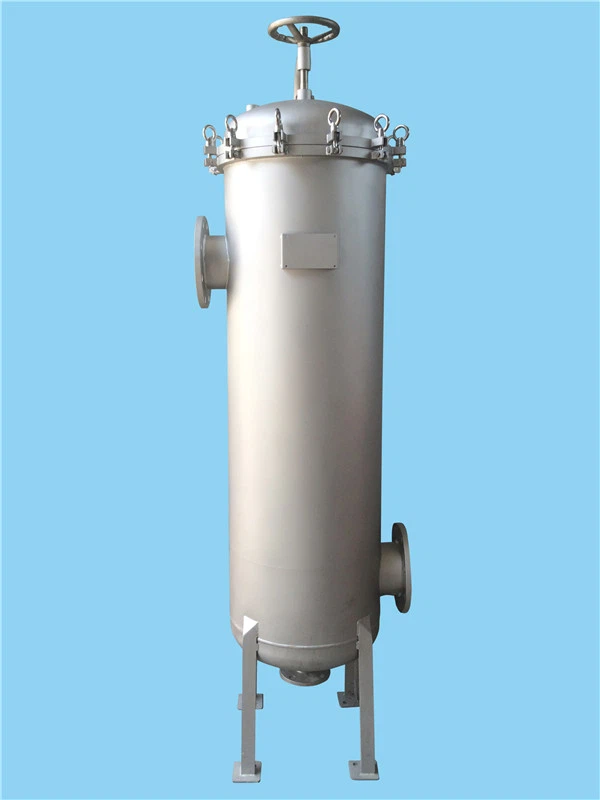

One of the key features of SS bag vessels is their structural integrity. They are designed to hold a significant amount of material without deforming or breaking. For example, our Stainless Steel Multi Bag Filter Housing Industrial Bag Filters Quickly Flange Davit Arm Bottom In Bottom Out Flange and SS Multi Bag Filter Housing Industrial Bag Filters Quickly Flange Davit Arm Side In Side Out Flange are built with high - quality stainless steel, ensuring a robust construction that can handle the weight and pressure of the contents inside.
Another advantage of SS bag vessels is their ease of cleaning. Stainless steel surfaces are smooth, which makes it difficult for dirt, dust, and other contaminants to adhere to them. This is crucial when it comes to storing seeds, as any foreign particles can potentially damage the seeds or introduce pests.
Requirements for Seed Storage
Seeds have specific requirements for storage to maintain their viability. Temperature and humidity are two of the most important factors. Most seeds need to be stored in a cool and dry environment. High temperatures can cause the seeds to germinate prematurely or lose their viability over time. Excessive humidity can lead to mold growth and rot, which can quickly destroy the entire batch of seeds.
Oxygen is also a concern. Seeds respire, and if they are stored in an environment with too much oxygen, they can age faster. Therefore, a good seed storage container should be able to provide a relatively air - tight environment to reduce the amount of oxygen available to the seeds.
Light can also have a negative impact on seed viability. Some seeds are sensitive to light, and prolonged exposure can damage their genetic material. A dark storage environment is often preferred for seed storage.
Using SS Bag Vessels for Seed Storage
When it comes to using SS bag vessels for seed storage, there are several benefits. First, the durability of stainless steel means that the vessels can protect the seeds from physical damage. Whether it's accidental drops, impacts, or pressure from stacking, the SS bag vessels can withstand these forces and keep the seeds safe.
The corrosion - resistance of stainless steel is also beneficial. Unlike some other materials, stainless steel will not rust or corrode, even in a slightly humid environment. This helps to maintain the integrity of the storage container and prevents any rust particles from contaminating the seeds.
In terms of air - tightness, SS bag vessels can be designed with proper seals to reduce the amount of oxygen and moisture that can enter the container. Our Stainless Steel Dust Collector Bag Filter Housing Quickly Flange Multi Bag Bottom in Bottom Out can be customized to provide a good level of air - tightness, which is suitable for seed storage.
However, there are also some potential drawbacks. Stainless steel is a good conductor of heat. If the SS bag vessels are placed in a hot environment, they can quickly transfer the heat to the seeds inside. This means that additional insulation may be required if the storage area is not temperature - controlled.
Another consideration is the lack of light - blocking properties. Stainless steel is a shiny material, and it does not block light on its own. If the seeds are sensitive to light, additional measures such as covering the vessels with a light - blocking material may be necessary.
Considerations for Different Types of Seeds
Different types of seeds have different storage requirements. For example, small, delicate seeds like lettuce or carrot seeds may require a more precise storage environment compared to larger, hardier seeds like beans or corn.
For small seeds, the SS bag vessels need to be able to provide a very stable environment in terms of temperature, humidity, and oxygen levels. Any small change in these factors can have a significant impact on the viability of these seeds.
Larger seeds may be more forgiving, but they still need protection from physical damage and environmental factors. The SS bag vessels can provide a sturdy and protective enclosure for these seeds, but the same considerations regarding temperature, humidity, and light still apply.
Cost - effectiveness
From a cost - effectiveness perspective, SS bag vessels may have a higher upfront cost compared to some other types of seed storage containers, such as plastic bags or cardboard boxes. However, they have a much longer lifespan. A well - made SS bag vessel can last for decades, which means that over the long term, the cost per year of storage can be quite low.
In addition, the protection that SS bag vessels provide can potentially save money in the long run. By preventing seed damage and loss, farmers and seed producers can avoid the cost of having to purchase new seeds every year.
Conclusion
In conclusion, SS bag vessels can be used for storing seeds, but there are some considerations to keep in mind. Their durability, corrosion - resistance, and potential for air - tightness make them a good option for seed storage. However, additional measures may be needed to address issues such as heat transfer and light sensitivity.
If you are interested in using our SS bag vessels for seed storage or have any questions about our products, please feel free to contact us for more information and to discuss your specific requirements. We are more than happy to assist you in finding the best solution for your seed storage needs.
References
- Harrington, J. F. (1972). Seed storage: principles and practices. Academic Press.
- Roberts, E. H. (1973). Predicting the storage life of seeds. Seed Science and Technology, 1(2), 499 - 514.


