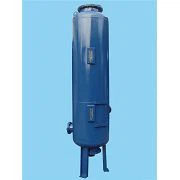
In the industrial landscape, pressure vessels play a critical role in a wide range of applications, from chemical processing to power generation. Ensuring the safety and optimal performance of these vessels is of utmost importance. As a pressure vessel supplier, I understand the significance of remote monitoring solutions in achieving these goals. This blog will explore various remote monitoring solutions for pressure vessels, highlighting their benefits and how they can enhance the overall efficiency and safety of industrial operations.
Why Remote Monitoring for Pressure Vessels?
Pressure vessels are designed to contain fluids or gases at high pressures. Any malfunction or failure in these vessels can lead to catastrophic consequences, including explosions, leaks, and environmental hazards. Remote monitoring allows operators to continuously track the condition of pressure vessels in real - time, even from a distance. This enables early detection of potential issues, such as abnormal pressure fluctuations, temperature changes, or leaks, and allows for timely intervention to prevent major incidents.
Moreover, remote monitoring can improve the efficiency of maintenance operations. Instead of relying on periodic manual inspections, which may not catch developing problems in a timely manner, remote monitoring provides continuous data that can be used to schedule maintenance based on the actual condition of the vessel. This approach, known as condition - based maintenance, can reduce downtime and save costs associated with unnecessary maintenance.
Remote Monitoring Solutions
1. Pressure and Temperature Sensors
One of the most basic yet essential remote monitoring solutions for pressure vessels is the use of pressure and temperature sensors. These sensors are installed directly on the vessel to measure the internal pressure and temperature. The data collected by these sensors is then transmitted wirelessly to a central monitoring system.
For example, a high - precision pressure sensor can detect even small changes in pressure within the vessel. If the pressure exceeds the normal operating range, an alarm can be triggered, alerting operators to take immediate action. Similarly, temperature sensors can monitor the heat generated inside the vessel, which can be an indicator of a chemical reaction or a mechanical issue.
The data from these sensors can be analyzed over time to identify trends and patterns. For instance, a gradual increase in pressure over a period of days may indicate a blockage in the vessel's outlet. By analyzing this data, operators can predict potential problems and plan for appropriate maintenance or corrective actions.
2. Leak Detection Systems
Leakage is a serious concern for pressure vessels. A small leak can quickly escalate into a major problem, especially if the vessel contains hazardous substances. Remote leak detection systems use various technologies to detect the presence of leaks.
One common method is the use of acoustic sensors. These sensors can detect the sound waves generated by a leak, which are distinct from the normal background noise of the vessel. When a leak is detected, the system can send an alert to the operators, along with the approximate location of the leak.
Another approach is the use of gas sensors. These sensors can detect the presence of specific gases in the surrounding environment. If a gas that is supposed to be contained within the vessel is detected outside the vessel, it is a clear indication of a leak.
Leak detection systems can be integrated with the overall remote monitoring system, providing real - time data on the integrity of the pressure vessel.
3. Vibration Monitoring
Vibration can be a sign of mechanical problems within a pressure vessel, such as loose components or unbalanced forces. Vibration sensors can be installed on the vessel to measure the vibration levels.
By analyzing the vibration data, operators can identify potential issues early. For example, an increase in vibration amplitude may indicate a problem with the vessel's support structure or a malfunctioning internal component.
Vibration monitoring can also be used to monitor the performance of pumps and other equipment associated with the pressure vessel. Any abnormal vibration in these components can be an early warning sign of impending failure.


4. Wireless Data Transmission
To enable remote monitoring, the data collected from the sensors needs to be transmitted wirelessly to a central monitoring system. There are several wireless communication technologies available, each with its own advantages and limitations.
Wi - Fi is a popular choice for short - range wireless communication. It provides high - speed data transfer and is widely available in industrial facilities. However, its range is limited, and it may be affected by interference from other electronic devices.
Cellular networks, such as 4G and 5G, offer a wider range of coverage and can be used for remote monitoring of pressure vessels located in remote areas. These networks provide reliable data transfer, but they may incur additional costs for data usage.
LoRaWAN (Long Range Wide Area Network) is another option for remote monitoring. It is designed for low - power, long - range communication, making it suitable for applications where sensors need to be powered by batteries for extended periods.
5. Cloud - Based Monitoring Platforms
Cloud - based monitoring platforms are becoming increasingly popular for remote monitoring of pressure vessels. These platforms allow operators to access the monitoring data from anywhere, using a web browser or a mobile app.
The cloud - based platform can store large amounts of historical data, which can be used for in - depth analysis. Operators can generate reports, view trends, and set up custom alerts based on their specific requirements.
For example, an operator can set up an alert to be notified if the pressure in a vessel exceeds a certain threshold for more than a specified period. The cloud - based platform can also integrate data from multiple sensors and vessels, providing a comprehensive view of the entire industrial process.
Our Product Offerings
As a pressure vessel supplier, we offer a range of high - quality pressure vessels that can be integrated with remote monitoring solutions. Our products include Stainless Steel Normal Type - flange Cartridge Filter Housing For Treatment Equipment, Double Flanges Sanitary Multi - round Stainless Steel Cartridge Housing With Legs, and Stainless Steel Normal Type Flange Cartridge Filter Housing For Water Treatment Equipment.
These pressure vessels are designed to meet the highest standards of quality and safety. They can be customized with the appropriate remote monitoring sensors and systems to ensure optimal performance and reliability.
Contact for Purchase and Consultation
If you are interested in our pressure vessels and remote monitoring solutions, we invite you to contact us for further information and to discuss your specific requirements. Our team of experts is ready to assist you in selecting the right products and monitoring solutions for your industrial applications. Whether you need a single pressure vessel or a complete monitoring system for a large - scale industrial facility, we can provide you with the best solutions tailored to your needs.
References
- "Pressure Vessel Design and Analysis" by John F. Harvey
- "Industrial Instrumentation and Control Handbook" by Bela G. Liptak
- "Remote Monitoring Technologies for Industrial Equipment" by various industry research reports