As a water softener supplier, I often encounter questions from customers about the requirements for water supply when using water softeners. One of the most common inquiries is whether water softeners require a special type of water supply. In this blog post, I'll delve into this topic, providing a comprehensive analysis based on scientific knowledge and industry experience.
Understanding Water Softeners
Before discussing the water supply requirements, it's essential to understand how water softeners work. Water softeners are devices designed to remove hardness-causing minerals, primarily calcium and magnesium ions, from water. The most common type of water softener uses an ion exchange process. In this process, hard water passes through a resin bed containing sodium ions. As the calcium and magnesium ions in the water come into contact with the resin, they are exchanged for sodium ions, resulting in softened water.
General Water Supply Requirements
In general, water softeners do not require a special type of water supply. They can be used with a wide range of water sources, including well water and municipal water. However, there are some factors related to the water supply that need to be considered to ensure the optimal performance of water softeners.
Water Hardness Level
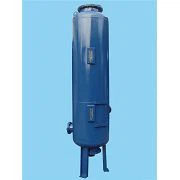
The hardness level of the water is a crucial factor. Water softeners are designed to handle different degrees of hardness. For low to moderately hard water, a standard water softener can effectively reduce the hardness to an acceptable level. However, for extremely hard water, a larger capacity or more advanced water softener may be required. For instance, if the water hardness is above 100 grains per gallon (gpg), a high-capacity water softener would be more suitable. You can check out our High Efficiency Hardness Removal Industrial Water Softener Equipment Sodium Stainless Steel Carbon Steel Ion Exchanger, which is designed to handle high levels of water hardness.
Water Contaminants
Apart from hardness, other contaminants in the water can also affect the performance of water softeners. For example, iron, manganese, and chlorine can damage the resin in the water softener over time. If the water contains high levels of these contaminants, pre-treatment may be necessary. A sediment filter can be used to remove large particles, and an activated carbon filter can be used to remove chlorine. In some cases, a more advanced oxidation system may be required to remove iron and manganese.
Water Pressure
Proper water pressure is essential for the smooth operation of water softeners. The recommended water pressure for most water softeners is between 30 and 100 pounds per square inch (psi). If the water pressure is too low, the water may not flow through the resin bed effectively, reducing the softening efficiency. On the other hand, if the water pressure is too high, it can cause damage to the water softener components. A pressure regulator can be installed to ensure the water pressure is within the appropriate range.
Special Considerations for Different Water Sources
Well Water
Well water often contains higher levels of minerals and contaminants compared to municipal water. In addition to hardness, well water may contain iron, sulfur, and bacteria. As mentioned earlier, pre-treatment is usually necessary for well water. An iron filter can be used to remove iron, and a chlorination system can be used to disinfect the water. Our Stainless Steel Ion Exchange Softening Vessel For Resin Water Softener Equipment is a great option for well water applications, as it is durable and can withstand the harsh conditions of well water.
Municipal Water
Municipal water is generally treated by the local water treatment plant to meet certain quality standards. However, it may still contain chlorine and other chemicals used in the treatment process. As mentioned, an activated carbon filter can be used to remove chlorine before the water enters the water softener.

Impact of Water Supply on Water Softener Maintenance
The quality of the water supply also has an impact on the maintenance requirements of water softeners. If the water contains a high level of contaminants, the resin in the water softener may need to be replaced more frequently. Additionally, the brine tank may need to be cleaned more often to prevent the buildup of sediment. Regular maintenance is crucial to ensure the long-term performance and efficiency of water softeners.
Conclusion
In conclusion, water softeners do not require a special type of water supply, but certain factors related to the water supply need to be considered. By understanding the water hardness level, contaminants, and water pressure, you can choose the right water softener and take appropriate pre-treatment measures to ensure optimal performance. Whether you have well water or municipal water, our water softeners can be customized to meet your specific needs.
If you're interested in purchasing a water softener or have any questions about water supply requirements, feel free to contact us for a consultation. We're here to help you find the best solution for your water softening needs.
References
- AWWA (American Water Works Association). Water Quality and Treatment: A Handbook of Community Water Supplies.
- NSF International. Standards for Water Treatment Devices.
- Water Quality Association. Residential Water Treatment Manual.