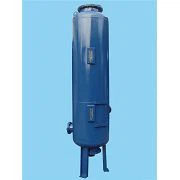
As a leading supplier of fermenting tanks, I've witnessed firsthand the profound impact that fermentation time can have on the final product. Fermentation is a complex biochemical process where microorganisms, such as yeast or bacteria, convert sugars into alcohol, acids, or gases. The duration of this process within a fermenting tank can significantly alter the flavor, aroma, texture, and overall quality of the end - product. In this blog, we'll explore the various effects of different fermentation times on products fermented in our high - quality tanks.
Short Fermentation Times
Flavor and Aroma
When fermentation occurs over a short period, typically a few days, the resulting product often has a lighter, more delicate flavor profile. For example, in beer brewing, a short fermentation time might lead to a beer with a crisp, clean taste. The yeast doesn't have enough time to break down all the complex sugars and produce a wide range of flavor - active compounds. As a result, the beer may lack the depth and complexity found in longer - fermented brews.
In wine production, short fermentation can preserve the fresh, fruity aromas of the grapes. The young wine may have prominent notes of berries or citrus, but it might lack the more developed, earthy, and spicy undertones that come with extended fermentation.
Texture
Short - fermented products also tend to have a thinner texture. In the case of yogurt, a short fermentation time results in a runnier consistency. The bacteria don't have sufficient time to produce enough lactic acid to thicken the milk fully. Similarly, in bread making, a quick fermentation can lead to a loaf with a lighter, less dense crumb.
Microbial Activity
During short fermentations, the microbial population doesn't have time to reach its full potential. The yeast or bacteria are still in the early stages of growth and metabolism. This can limit the production of certain beneficial by - products, such as vitamins and enzymes. For instance, in kombucha fermentation, a short fermentation may not allow the SCOBY (symbiotic culture of bacteria and yeast) to produce enough acetic acid and other health - promoting compounds.
Medium Fermentation Times
Flavor and Aroma
Medium fermentation times, ranging from a few days to a couple of weeks, strike a balance between the freshness of short - fermented products and the complexity of long - fermented ones. In beer, a medium fermentation can result in a well - rounded flavor with a good balance of maltiness and hop bitterness. The yeast has had more time to produce esters, which contribute fruity and floral aromas, as well as higher alcohols, which add a bit of warmth and complexity.
In cheese making, medium fermentation times are crucial for developing the characteristic flavors and textures. The bacteria in the cheese starter culture break down lactose into lactic acid, and over time, they also produce enzymes that break down proteins and fats. This leads to the development of nutty, savory flavors and a semi - firm texture.
Texture
Medium - fermented products usually have a more desirable texture compared to short - fermented ones. In the case of sourdough bread, a medium fermentation time allows the dough to develop a better gluten structure. The bread has a more open crumb and a chewier texture. In pickling, medium fermentation gives the vegetables a firm yet tender texture and a tangy flavor.
Microbial Activity
The microbial population in a medium - fermented product is more active and diverse. The yeast or bacteria have had time to multiply and reach a significant population size. This can lead to more efficient fermentation and the production of a wider range of metabolites. For example, in the production of miso, a medium fermentation time allows the koji mold and bacteria to work together to break down soybeans and rice, resulting in a rich, umami - filled paste.
Long Fermentation Times
Flavor and Aroma
Long fermentation times, often months or even years, can create products with incredibly complex and intense flavors. In the production of aged spirits like whiskey or brandy, long - term fermentation and aging in oak barrels contribute to the development of rich, caramelized, and woody flavors. The yeast and bacteria in the initial fermentation stage produce a variety of compounds that continue to react and evolve during the aging process.


In wine, long fermentation and aging can transform a simple grape juice into a complex, full - bodied wine with layers of flavors such as leather, tobacco, and dried fruits. The tannins in the wine also mellow over time, resulting in a smoother mouthfeel.
Texture
Long - fermented products typically have a more concentrated and intense texture. In the case of balsamic vinegar, a long fermentation and aging process in wooden barrels result in a thick, syrupy consistency. The acetic acid bacteria convert the alcohol into acetic acid over many years, and the vinegar absorbs flavors from the wood, creating a rich and complex product.
Microbial Activity
During long fermentations, the microbial activity undergoes significant changes. As the nutrients in the fermenting medium are gradually depleted, the microorganisms enter a stationary phase and then a decline phase. However, during this time, they continue to produce secondary metabolites. In the production of certain types of soy sauce, long fermentation allows the yeast and bacteria to break down proteins and carbohydrates into amino acids and sugars, which contribute to the characteristic savory flavor.
Our Fermenting Tanks and Their Role
At our company, we offer a wide range of fermenting tanks to suit different fermentation needs. Our Stainless Steel Fermentation Tank Polished Or Sandblast External Surface Tri Clamp Ferrule Connection Size Customized is designed with high - quality stainless steel, which is resistant to corrosion and easy to clean. This ensures a hygienic environment for fermentation, regardless of the fermentation time.
For those interested in beer brewing, our Beer Fermentation Exposed tank provides excellent temperature control and aeration, allowing for precise fermentation. Whether you're aiming for a short, refreshing beer or a long - aged, complex brew, our tank can meet your requirements.
Our Stainless Steel Industrial 500L - 10000L Fermenter Beer Wine Brewing Vessel Fementation Storage Tank is suitable for large - scale production. It offers a stable environment for long - term fermentation, with features such as insulation and agitation systems to ensure uniform fermentation throughout the tank.
Conclusion
In conclusion, the fermentation time in a fermenting tank has a profound impact on the final product. Short fermentation times result in lighter, fresher products, while medium fermentation times offer a balance of freshness and complexity. Long fermentation times create products with intense flavors, complex aromas, and unique textures.
If you're in the business of fermentation and are looking for high - quality fermenting tanks to achieve the perfect fermentation time for your products, we'd love to hear from you. Contact us to discuss your specific requirements and start a successful fermentation journey with our top - notch equipment.
References
- Piggott, J. R., & Paterson, A. (Eds.). (2012). The science of alcohol beverages. Royal Society of Chemistry.
- McFeeters, R. F. (2004). Fermented foods: A world perspective. CRC Press.
- Stewart, G. G., Russell, I., & Anstruther, A. (2017). Handbook on beer and brewing: processes, technology, markets. Wiley - Blackwell.