Hey there! As a water softener supplier, I often get asked by customers about how to measure the hardness of their water. It's a crucial step because understanding your water hardness helps you choose the right water softener for your needs. In this blog, I'll walk you through different ways to measure water hardness and why it matters.
First off, let's talk about what water hardness actually is. Hard water contains high levels of minerals, mainly calcium and magnesium. These minerals can cause all sorts of problems in your home, like limescale buildup in pipes and appliances, reduced soap lathering, and even dry skin and hair. So, knowing the hardness of your water can save you from a lot of headaches down the road.
One of the easiest and most common ways to measure water hardness is by using a water hardness test kit. These kits are readily available at hardware stores or online. They usually come with test strips or reagents that change color based on the amount of minerals in the water. You simply dip the test strip into a sample of your water or add the reagent to the water and compare the color change to a chart provided with the kit. It's a quick and inexpensive way to get a general idea of your water hardness.
Another option is to send a water sample to a professional laboratory for testing. This method is more accurate and can provide detailed information about the specific minerals present in your water, as well as their concentrations. While it's a bit more expensive and takes longer to get the results, it's a great choice if you want a comprehensive analysis of your water quality.
If you're a bit more tech-savvy, you can also use a water hardness meter. These devices use electrodes to measure the electrical conductivity of the water, which is related to the concentration of dissolved minerals. They're relatively easy to use and can give you a more precise measurement than test kits. However, they can be a bit pricey, so they might not be the best option for everyone.

Now, let's talk about why measuring water hardness is so important. As I mentioned earlier, hard water can cause a lot of problems in your home. Limescale buildup in pipes and appliances can reduce their efficiency and lifespan, leading to costly repairs and replacements. It can also make your clothes look dull and feel rough, and your dishes look cloudy. By measuring your water hardness and choosing the right water softener, you can prevent these problems and keep your home running smoothly.
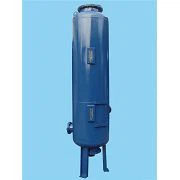
As a water softener supplier, I offer a range of high-quality water softeners to meet different needs and budgets. For example, our Stainless Steel Ion Exchange Softening Vessel For Resin Water Softener Equipment is a great choice for residential and commercial applications. It uses ion exchange technology to remove calcium and magnesium ions from the water, replacing them with sodium ions. This process effectively softens the water and reduces the risk of limescale buildup.
If you have a larger property or need a more powerful water softener, our High Efficiency Hardness Removal Industrial Water Softener Equipment Sodium Stainless Steel Carbon Steel Ion Exchanger might be the right option for you. It's designed to handle high volumes of water and can effectively remove hardness from industrial water supplies.
In conclusion, measuring the hardness of your water is an important step in maintaining a healthy and efficient home. Whether you choose to use a test kit, send a sample to a laboratory, or use a water hardness meter, the key is to get an accurate measurement so you can choose the right water softener for your needs. If you're in the market for a water softener, I encourage you to contact me to discuss your options and find the best solution for your home or business. I'm here to help you make an informed decision and ensure that you get the most out of your water softener.
References
- "Water Hardness and Treatment." U.S. Geological Survey.
- "How to Test Your Water for Hardness." The Spruce.