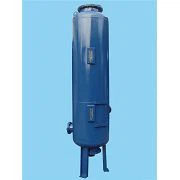
Designing a pressure vessel for high-temperature applications is a complex and critical task that requires a deep understanding of engineering principles, materials science, and safety regulations. As a pressure vessel supplier, I have been involved in numerous projects that demand vessels capable of withstanding extreme temperatures. In this blog, I will share some key considerations and steps in the design process.
Understanding the Application Requirements
The first step in designing a pressure vessel for high-temperature applications is to thoroughly understand the specific requirements of the application. This includes determining the maximum operating temperature, pressure, and the type of fluid or gas that will be contained within the vessel. For example, if the vessel is used in a chemical processing plant, the corrosive nature of the chemicals must be taken into account.
The temperature range is a crucial factor. High temperatures can cause materials to expand, which may lead to stress and deformation in the vessel. Therefore, it is essential to select materials that can maintain their mechanical properties at elevated temperatures. Additionally, the design must account for thermal cycling, which occurs when the vessel is subjected to repeated heating and cooling.

Material Selection
Selecting the appropriate material is one of the most important decisions in pressure vessel design. For high-temperature applications, materials with high strength, good corrosion resistance, and low thermal expansion are preferred. Stainless steel is a common choice due to its excellent corrosion resistance and ability to withstand high temperatures. However, different grades of stainless steel have different properties, so it is necessary to choose the grade that best suits the specific application.
Another option is alloy steel, which can offer higher strength and better performance at elevated temperatures compared to carbon steel. For extremely high-temperature applications, nickel-based alloys may be used. These alloys have excellent resistance to oxidation and corrosion, as well as high strength at elevated temperatures.
Structural Design
The structural design of the pressure vessel must ensure that it can withstand the internal pressure and thermal stresses at high temperatures. The vessel's shape, thickness, and reinforcement are all important factors in the design.
The shape of the vessel can affect its stress distribution. Spherical vessels are generally more efficient in terms of stress distribution compared to cylindrical vessels, as they can evenly distribute the internal pressure. However, spherical vessels are more difficult and expensive to manufacture. Cylindrical vessels are more commonly used due to their ease of fabrication and installation.
The thickness of the vessel wall is determined by the internal pressure, temperature, and the material's allowable stress. Thicker walls can provide greater strength, but they also increase the weight and cost of the vessel. Therefore, it is necessary to find a balance between strength and cost.
Reinforcement may be required in areas of high stress, such as around openings or joints. This can be achieved through the use of additional plates, rings, or stiffeners.
Safety Features
Safety is of utmost importance in pressure vessel design, especially for high-temperature applications. The vessel must be equipped with appropriate safety features to prevent overpressure and overheating.
Pressure relief devices, such as safety valves, are essential to protect the vessel from excessive pressure. These devices are designed to open automatically when the pressure inside the vessel exceeds a predetermined limit, allowing the fluid or gas to escape and reducing the pressure.
Temperature sensors and alarms can be installed to monitor the temperature inside the vessel. If the temperature exceeds a safe limit, an alarm can be triggered, and appropriate measures can be taken to prevent overheating.
Manufacturing and Quality Control
Once the design is finalized, the pressure vessel is manufactured according to the specified requirements. The manufacturing process must follow strict quality control procedures to ensure the vessel's safety and reliability.
Welding is a critical process in pressure vessel manufacturing. The welds must be of high quality to ensure the integrity of the vessel. Non-destructive testing methods, such as ultrasonic testing and radiographic testing, are commonly used to detect any defects in the welds.
After manufacturing, the vessel must undergo a series of tests, including hydrostatic testing and pressure testing, to verify its performance. These tests ensure that the vessel can withstand the internal pressure and temperature conditions specified in the design.
Our Product Offerings
As a pressure vessel supplier, we offer a wide range of products suitable for high-temperature applications. In addition to our custom-designed pressure vessels, we also provide various types of filter housings. For example, our JIADUN5-A Filter Strainer Double Flange Cartridge Water Filters Housing With Legs is designed for water treatment applications and can withstand high pressures and temperatures. Our Stainless Steel Normal Double Flange Cartridge Filter Housing For Water Treatment With Legs is made of high-quality stainless steel, providing excellent corrosion resistance and durability. And our JIADUN Common Flange Housing Filtering Water Treatment is a cost-effective solution for filtering water in various industrial applications.
Conclusion
Designing a pressure vessel for high-temperature applications requires a comprehensive approach that considers all aspects of the application, including material selection, structural design, safety features, and manufacturing quality control. By following these principles, we can ensure that the pressure vessels we supply are safe, reliable, and meet the specific needs of our customers.
If you are in need of a pressure vessel for high-temperature applications or any of our other products, please feel free to contact us for procurement and negotiation. We are committed to providing high-quality products and excellent customer service.
References
- ASME Boiler and Pressure Vessel Code
- API Standards for Pressure Vessels
- Perry's Chemical Engineers' Handbook