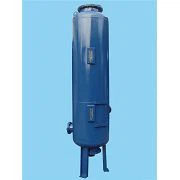
Operating a dissolution tank at high altitudes presents unique challenges due to the reduced atmospheric pressure and lower oxygen levels characteristic of such environments. As a reputable dissolution tank supplier, we understand the intricacies involved in adjusting the operation parameters to ensure optimal performance and efficiency. In this blog, we will delve into the key factors to consider and provide practical guidelines for fine-tuning your dissolution tank's operation at high altitudes.
Understanding the Impact of High Altitude on Dissolution Tanks
Before discussing the adjustments, it's crucial to understand how high altitude affects the operation of a dissolution tank. The most significant factors are the lower atmospheric pressure and reduced oxygen availability. These conditions can influence various aspects of the dissolution process, including the solubility of gases, the boiling point of liquids, and the efficiency of mixing and agitation.
- Reduced Atmospheric Pressure: At high altitudes, the atmospheric pressure is lower than at sea level. This reduction in pressure can cause gases to dissolve more readily in liquids, potentially leading to increased gas content in the solution. Additionally, the lower pressure can affect the boiling point of liquids, causing them to boil at lower temperatures.
- Lower Oxygen Levels: High altitudes are characterized by lower oxygen levels, which can impact the dissolution process, especially if the reaction requires oxygen. Reduced oxygen availability can slow down chemical reactions and affect the overall efficiency of the dissolution tank.
- Temperature Variations: High altitudes often experience significant temperature variations, with colder temperatures at night and warmer temperatures during the day. These temperature fluctuations can affect the solubility of solids and liquids and the viscosity of the solution, which can impact the mixing and agitation processes.
Adjusting the Operation Parameters
To ensure optimal performance of your dissolution tank at high altitudes, several key operation parameters need to be adjusted. These parameters include temperature, pressure, agitation speed, and gas flow rate.
Temperature Control
Maintaining the appropriate temperature is crucial for the dissolution process. At high altitudes, the lower atmospheric pressure can cause liquids to boil at lower temperatures, so it's essential to adjust the heating or cooling system accordingly.
- Heating System: If the dissolution process requires heating, ensure that the heating system can provide sufficient heat to reach and maintain the desired temperature. Consider using a heating system with a higher capacity or adjusting the temperature setpoint to compensate for the lower boiling point.
- Cooling System: If the dissolution process generates heat or requires cooling, ensure that the cooling system can effectively remove the heat from the solution. Consider using a cooling system with a higher capacity or adjusting the temperature setpoint to account for the lower ambient temperature at high altitudes.
Pressure Regulation
Regulating the pressure inside the dissolution tank is essential to control the solubility of gases and prevent excessive gas release. At high altitudes, the lower atmospheric pressure can cause gases to dissolve more readily in liquids, so it's important to adjust the pressure accordingly.


- Pressure Relief Valve: Install a pressure relief valve to prevent overpressure inside the dissolution tank. Set the pressure relief valve to a safe operating pressure that accounts for the lower atmospheric pressure at high altitudes.
- Gas Inlet and Outlet: Adjust the gas inlet and outlet valves to control the flow of gases into and out of the dissolution tank. Consider using a gas flow controller to maintain a consistent gas flow rate and pressure.
Agitation Speed
Proper agitation is essential for ensuring uniform mixing and dissolution of solids and liquids. At high altitudes, the lower atmospheric pressure and reduced oxygen levels can affect the efficiency of the agitation process, so it's important to adjust the agitation speed accordingly.
- Agitator Design: Choose an agitator design that is suitable for high-altitude operation. Consider using an agitator with a higher power rating or a more efficient impeller design to ensure sufficient mixing and agitation.
- Agitation Speed: Adjust the agitation speed to ensure adequate mixing and dissolution of solids and liquids. Consider increasing the agitation speed slightly to compensate for the reduced efficiency at high altitudes.
Gas Flow Rate
Controlling the gas flow rate is crucial for maintaining the desired gas concentration and preventing excessive gas release. At high altitudes, the lower atmospheric pressure can cause gases to dissolve more readily in liquids, so it's important to adjust the gas flow rate accordingly.
- Gas Supply System: Ensure that the gas supply system can provide sufficient gas to maintain the desired gas concentration inside the dissolution tank. Consider using a gas supply system with a higher capacity or adjusting the gas flow rate to account for the lower atmospheric pressure at high altitudes.
- Gas Distribution System: Adjust the gas distribution system to ensure uniform distribution of gases throughout the dissolution tank. Consider using a gas sparger or diffuser to improve the gas distribution and mixing.
Additional Considerations
In addition to adjusting the operation parameters, there are several other factors to consider when operating a dissolution tank at high altitudes.
- Material Selection: Choose materials that are suitable for high-altitude operation and can withstand the lower atmospheric pressure and temperature variations. Consider using materials with high corrosion resistance and low thermal expansion coefficients.
- Maintenance and Inspection: Regularly maintain and inspect the dissolution tank to ensure its proper operation. Check for leaks, damage, and wear and tear, and replace any worn or damaged components as needed.
- Training and Education: Provide training and education to the operators on the unique challenges of operating a dissolution tank at high altitudes and the proper adjustment of the operation parameters. Ensure that the operators are familiar with the safety procedures and emergency protocols.
Conclusion
Operating a dissolution tank at high altitudes requires careful consideration of the unique environmental conditions and the adjustment of the operation parameters to ensure optimal performance and efficiency. As a dissolution tank supplier, we have the expertise and experience to help you select the right dissolution tank and provide the necessary support and guidance for high-altitude operation. If you are interested in learning more about our Stainless Steel Fermentation Tank Polished Or Sandblast External Surface Tri Clamp Ferrule Connection Size Customized, Beer Fermentation Exposed, or Stainless Steel Industrial 500L - 10000L Fermenter Beer Wine Brewing Vessel Fementation Storage Tank, please contact us to discuss your specific requirements and explore the possibilities of working together.
References
- Perry, R. H., & Green, D. W. (Eds.). (2008). Perry's Chemical Engineers' Handbook. McGraw-Hill.
- Walas, S. M. (1988). Chemical Process Equipment: Selection and Design. Butterworth-Heinemann.