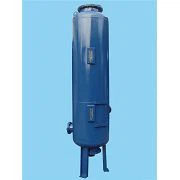
Hey there! As a supplier of fermenter tanks, I've seen firsthand how crucial it is to control the nutrient supply in these tanks. Whether you're brewing beer, making wine, or producing other fermented products, getting the nutrient levels just right can make or break your batch. In this blog post, I'll share some tips and tricks on how to control the nutrient supply in a fermenter tank.
Understanding the Basics of Nutrient Supply in Fermentation
Before we dive into the details of controlling nutrient supply, let's first understand why it's so important. During fermentation, microorganisms like yeast or bacteria consume nutrients to grow and produce the desired end products. These nutrients include things like sugars, nitrogen, vitamins, and minerals.
If the nutrient supply is too low, the microorganisms may not have enough energy to grow and ferment properly, resulting in a slow or incomplete fermentation. On the other hand, if the nutrient supply is too high, it can lead to overgrowth of microorganisms, which can produce off-flavors and other unwanted byproducts.


So, finding the right balance of nutrients is essential for a successful fermentation. But how do you do that? Let's take a look at some key factors to consider.
Factors Affecting Nutrient Supply
1. Starting Ingredients
The first step in controlling nutrient supply is to choose the right starting ingredients. Different types of raw materials have different nutrient compositions, so it's important to select ingredients that will provide the necessary nutrients for your fermentation.
For example, if you're brewing beer, the malted barley is a major source of sugars and nitrogen. The type of malt you use can have a significant impact on the nutrient profile of your wort. Similarly, if you're making wine, the grapes you choose will determine the sugar, acid, and nutrient content of the must.
2. Nutrient Supplements
In some cases, the starting ingredients may not provide all the nutrients needed for a successful fermentation. This is especially true for high-gravity fermentations or when using certain types of microorganisms.
To address this, you can use nutrient supplements. There are many different types of nutrient supplements available on the market, including yeast nutrients, nitrogen sources, and vitamin and mineral blends. These supplements can help ensure that your microorganisms have access to all the nutrients they need to grow and ferment properly.
3. Fermentation Conditions
The fermentation conditions, such as temperature, pH, and oxygen levels, can also affect the nutrient supply in a fermenter tank. For example, high temperatures can increase the rate of nutrient consumption by microorganisms, while low temperatures can slow it down.
Similarly, the pH of the fermentation medium can affect the availability of certain nutrients. Most microorganisms prefer a slightly acidic environment, so maintaining the proper pH is important for optimal nutrient uptake.
Oxygen levels are also crucial, especially during the early stages of fermentation. Yeast, for example, requires oxygen to synthesize certain essential compounds. However, too much oxygen can lead to oxidation and other unwanted reactions, so it's important to control the oxygen levels carefully.
Controlling Nutrient Supply in a Fermenter Tank
Now that we understand the factors affecting nutrient supply, let's look at some practical steps you can take to control it in a fermenter tank.
1. Analyze Your Starting Ingredients
Before you start your fermentation, it's a good idea to analyze your starting ingredients to determine their nutrient content. This can help you identify any potential nutrient deficiencies and make adjustments as needed.
There are several methods you can use to analyze your ingredients, including chemical analysis and microbiological testing. You can also consult with a professional or use online resources to get more information about the nutrient composition of different types of raw materials.
2. Calculate Your Nutrient Requirements
Once you know the nutrient content of your starting ingredients, you can calculate the amount of additional nutrients you need to add to your fermenter tank. This will depend on several factors, such as the type of fermentation, the desired fermentation rate, and the size of your batch.
There are many online calculators and formulas available that can help you calculate your nutrient requirements. You can also consult with a fermentation expert or use a nutrient supplement manufacturer's guidelines to determine the appropriate amount of nutrients to add.
3. Add Nutrients at the Right Time
Timing is crucial when it comes to adding nutrients to your fermenter tank. Adding nutrients too early or too late can have a negative impact on the fermentation process.
In general, it's best to add nutrients at the beginning of the fermentation or during the early stages of growth. This allows the microorganisms to have access to the nutrients they need to start growing and fermenting properly.
However, in some cases, you may need to add additional nutrients later in the fermentation process to support continued growth and fermentation. This is especially true for high-gravity fermentations or when using certain types of microorganisms.
4. Monitor Nutrient Levels
Once you've added the nutrients to your fermenter tank, it's important to monitor the nutrient levels throughout the fermentation process. This can help you ensure that the microorganisms are getting enough nutrients and that the fermentation is proceeding as expected.
There are several methods you can use to monitor nutrient levels, including chemical analysis, microbiological testing, and sensory evaluation. You can also use online resources or consult with a fermentation expert to get more information about the best methods for monitoring nutrient levels in your specific fermentation.
5. Adjust Nutrient Supply as Needed
Based on your monitoring results, you may need to adjust the nutrient supply in your fermenter tank. If the nutrient levels are too low, you can add additional nutrients. If the nutrient levels are too high, you can reduce the amount of nutrients you're adding or adjust the fermentation conditions to slow down the nutrient consumption.
It's important to make adjustments gradually and monitor the fermentation closely to ensure that you don't over- or under-correct.
Our Fermenter Tanks and Nutrient Control
At our company, we offer a wide range of fermenter tanks that are designed to help you control the nutrient supply in your fermentation process. Our tanks are made from high-quality stainless steel and are available in a variety of sizes and configurations to meet your specific needs.
One of the key features of our fermenter tanks is their ability to provide precise control over the fermentation conditions, including temperature, pH, and oxygen levels. This allows you to create an optimal environment for your microorganisms to grow and ferment properly, which can help ensure a consistent and high-quality end product.
In addition, our tanks are equipped with advanced monitoring and control systems that allow you to easily monitor and adjust the nutrient levels in your fermenter tank. This can help you save time and effort and ensure that your fermentation is always running smoothly.
If you're interested in learning more about our fermenter tanks and how they can help you control the nutrient supply in your fermentation process, check out our Stainless Steel Fermentation Tank Polished Or Sandblast External Surface Tri Clamp Ferrule Connection Size Customized and Stainless Steel Industrial 500L-10000L Fermenter Beer Wine Brewing Vessel Fementation Storage Tank. We also have some great resources on Beer Fermentation Exposed that can provide you with more in-depth information about the fermentation process.
Conclusion
Controlling the nutrient supply in a fermenter tank is essential for a successful fermentation. By understanding the factors affecting nutrient supply, analyzing your starting ingredients, calculating your nutrient requirements, adding nutrients at the right time, monitoring nutrient levels, and adjusting the nutrient supply as needed, you can ensure that your fermentation process runs smoothly and produces a high-quality end product.
If you're looking for a reliable supplier of fermenter tanks that can help you control the nutrient supply in your fermentation process, look no further. Contact us today to learn more about our products and how we can help you achieve your fermentation goals.
References
- Smith, J. (2018). Fermentation Technology. Wiley-Blackwell.
- Jones, A. (2019). Principles of Fermentation Technology. Elsevier.
- Brown, R. (2020). Nutrient Management in Fermentation Processes. CRC Press.