Hey there, fellow brewing enthusiasts! I'm a supplier of brewing tanks, and I've seen firsthand how crucial it is to get the yeast pitching rate right in a brewing tank. Today, I'm gonna share some tips on how to optimize that yeast pitching rate.
First off, let's talk about why the yeast pitching rate matters. Yeast is the magic ingredient that turns your wort into beer. If you don't pitch enough yeast, the fermentation process can be slow, incomplete, and might even produce off - flavors. On the other hand, if you pitch too much yeast, you could end up with a fast fermentation that also affects the flavor profile of your beer.
Understanding the Basics of Yeast Pitching
Before we dive into optimization, it's important to understand what we mean by yeast pitching rate. It's basically the amount of healthy yeast cells you add to a specific volume of wort at a given temperature. Usually, it's measured in millions of cells per milliliter of wort.
The ideal pitching rate depends on several factors. One of the most important ones is the gravity of your wort. High - gravity worts, which have more sugars, need more yeast to ferment properly. For example, a light - bodied beer with a low original gravity might require around 0.75 million cells per milliliter of wort, while a high - gravity imperial stout could need 1.5 million cells per milliliter or more.
Another factor is the type of yeast. Different strains of yeast have different fermentation characteristics. Some are more vigorous and can handle higher - gravity worts with a lower pitching rate, while others are more delicate and need a higher pitching rate to perform well.
Calculating the Right Pitching Rate
Now, let's get into the nitty - gritty of calculating the right pitching rate. There are a few ways to do this.
One common method is to use a pitching rate calculator. You can find many of these online for free. All you need to do is input the volume of your wort, its original gravity, and the type of yeast you're using. The calculator will then give you the recommended number of yeast cells you should pitch.
For example, if you're brewing a 500 - liter batch of medium - gravity ale with a specific gravity of 1.050 and using a common ale yeast strain, the calculator might tell you that you need to pitch around 375 billion yeast cells.
But how do you know how many cells are in your yeast package? Most yeast manufacturers provide this information on the label. It'll tell you the approximate number of viable cells in the package at the time of production. Keep in mind that the number of viable cells decreases over time, especially if the yeast has been stored improperly.
If you don't have access to a calculator, you can also use some general guidelines. As I mentioned earlier, for low - gravity beers (original gravity around 1.030 - 1.040), a pitching rate of 0.75 - 1 million cells per milliliter of wort is usually sufficient. For medium - gravity beers (1.040 - 1.060), aim for 1 - 1.25 million cells per milliliter. And for high - gravity beers (above 1.060), you'll want to pitch 1.25 - 1.5 million cells per milliliter or more.
Preparing Your Yeast
Once you've calculated the right pitching rate, it's time to prepare your yeast. One of the best ways to ensure a healthy fermentation is to make a yeast starter. A yeast starter is a small batch of wort that you use to grow and multiply your yeast cells before pitching them into the main batch.
To make a yeast starter, you'll need a small container, some wort (you can make a small amount from malt extract), and a stir plate or something to agitate the mixture. First, sterilize your container and the wort. Then, add the yeast to the wort and let it sit at the appropriate temperature for a day or two, depending on the type of yeast. The agitation helps the yeast grow and multiply more quickly.
For example, if you're using a liquid yeast culture, you might make a 1 - liter starter for a 500 - liter batch of beer. After a couple of days, the starter should be full of healthy, active yeast cells that are ready to be pitched into your main wort.
Considering the Brewing Tank
As a brewing tank supplier, I know that the type of tank you use can also affect the yeast pitching rate. The size and shape of the tank can influence the oxygenation of the wort, which is crucial for yeast health.
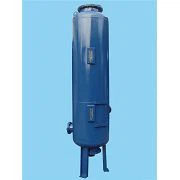
For instance, our Stainless Steel Industrial 500L - 10000L Fermenter Beer Wine Brewing Vessel Fementation Storage Tank is designed to provide optimal conditions for fermentation. Its large volume allows for proper oxygenation of the wort when it's being transferred into the tank. Oxygen is essential for yeast growth in the early stages of fermentation, as it helps the yeast build cell membranes and reproduce.
Also, the material of the tank matters. Stainless steel is a great choice because it's non - reactive and easy to clean. Our Stainless Steel Fermentation Tank Polished Or Sandblast External Surface Tri Clamp Ferrule Connection Size Customized is made of high - quality stainless steel, which ensures that there are no contaminants that could harm the yeast.
Monitoring the Fermentation
After you've pitched the yeast, it's important to monitor the fermentation process closely. You can do this by checking the specific gravity of the wort regularly using a hydrometer. The specific gravity will decrease as the yeast ferments the sugars in the wort into alcohol and carbon dioxide.
If the fermentation seems to be going too slowly, it could be a sign that you didn't pitch enough yeast. In this case, you might need to add some more yeast or take steps to increase the yeast's activity, such as raising the temperature slightly (within the yeast's recommended range).
On the other hand, if the fermentation is too fast, it could mean that you pitched too much yeast or that the temperature is too high. A fast fermentation can lead to the production of unwanted flavors, so you might need to cool down the wort or take other measures to slow it down.
For more in - depth information about beer fermentation, check out Beer Fermentation Exposed. It has some great insights into the science behind the process.
Adjusting for Future Batches
Based on your observations of the fermentation process, you can adjust the yeast pitching rate for future batches. If you notice that your beer consistently has off - flavors or incomplete fermentation, it's a good idea to review your pitching rate and make some changes.
Keep a brewing log where you record the details of each batch, including the pitching rate, the type of yeast, the original gravity of the wort, and the fermentation temperature. This will help you identify patterns and make more informed decisions about your yeast pitching rate in the future.
Conclusion
Optimizing the yeast pitching rate in a brewing tank is a crucial step in making great - tasting beer. By understanding the factors that affect the pitching rate, calculating it accurately, preparing your yeast properly, and monitoring the fermentation process, you can ensure a successful fermentation and a high - quality final product.
If you're in the market for a brewing tank, we've got a wide range of options to suit your needs. Whether you're a small - scale craft brewer or a large - scale industrial operation, our tanks are designed to provide the best conditions for fermentation.
If you're interested in learning more or making a purchase, don't hesitate to reach out. We're here to help you take your brewing to the next level.

References
- Kunze, Wolfgang. Technology Brewing and Malting. VLB Berlin, 2019.
- Fix, George. Principles of Brewing Science. Brewers Publications, 2004.