Designing a continuous-fermentation process in a fermenting tank is a complex yet rewarding endeavor. As a leading fermenting tank supplier, I've witnessed firsthand the transformative impact of well-planned continuous-fermentation systems on various industries, from brewing to pharmaceuticals. In this blog post, I'll share insights on how to design an efficient and effective continuous-fermentation process in a fermenting tank.
Understanding the Basics of Continuous Fermentation
Continuous fermentation is a bioprocess in which fresh substrate is continuously added to the fermenting tank while the fermented product is simultaneously removed. This stands in contrast to batch fermentation, where the fermentation process occurs in a single batch, with all the substrate added at the beginning and the product harvested at the end. Continuous fermentation offers several advantages, including higher productivity, better control of the fermentation environment, and reduced labor costs.
To design a successful continuous-fermentation process, it's essential to understand the key components involved. These include the fermenting tank itself, the substrate feed system, the product removal system, and the control system. Each of these components plays a crucial role in ensuring the smooth operation of the fermentation process.
Selecting the Right Fermenting Tank
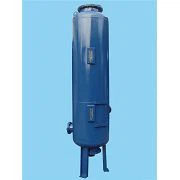
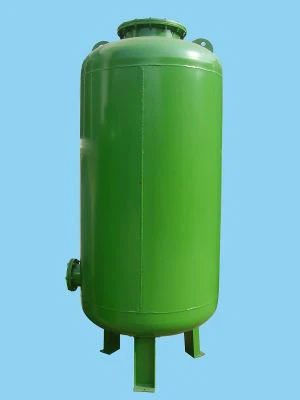
The choice of fermenting tank is critical to the success of a continuous-fermentation process. The tank must be able to withstand the conditions of the fermentation process, including the temperature, pressure, and chemical composition of the substrate and the product. It should also be designed to facilitate the addition of fresh substrate and the removal of the fermented product.
As a fermenting tank supplier, we offer a wide range of tanks to meet the diverse needs of our customers. Our Stainless Steel Fermentation Tank Polished Or Sandblast External Surface Tri Clamp Ferrule Connection Size Customized is a popular choice for continuous fermentation processes. It is made of high-quality stainless steel, which is resistant to corrosion and easy to clean. The tank can be customized to suit specific requirements, including the size, shape, and surface finish.
Another option is our Stainless Steel Industrial 500L - 10000L Fermenter Beer Wine Brewing Vessel Fementation Storage Tank. This tank is designed for industrial-scale fermentation processes and offers a large capacity. It is equipped with advanced features such as temperature and pH control systems, which are essential for maintaining optimal fermentation conditions.
Designing the Substrate Feed System
The substrate feed system is responsible for delivering the fresh substrate to the fermenting tank at a controlled rate. The design of this system depends on several factors, including the type of substrate, its viscosity, and the required feed rate.
For liquid substrates, a pump can be used to transfer the substrate from a storage tank to the fermenting tank. The pump should be selected based on the flow rate and pressure requirements of the system. It's also important to ensure that the pump is made of materials that are compatible with the substrate to prevent contamination.
In some cases, the substrate may need to be pre-treated before it is added to the fermenting tank. This can include processes such as sterilization, pH adjustment, or dilution. The pre-treatment equipment should be integrated into the substrate feed system to ensure a smooth and continuous flow of substrate.
Designing the Product Removal System
The product removal system is responsible for extracting the fermented product from the fermenting tank. Similar to the substrate feed system, the design of the product removal system depends on the properties of the product, such as its viscosity, density, and the presence of solids.
For liquid products, a simple gravity-based system can be used if the product has a low viscosity. However, for more viscous products or products containing solids, a pump may be required to facilitate the removal. The removed product can be collected in a storage tank for further processing or packaging.
It's important to design the product removal system in such a way that it minimizes the disruption to the fermentation process. For example, the point of product removal should be carefully chosen to ensure that it does not interfere with the mixing of the substrate and the microorganisms in the tank.
Implementing a Control System
A control system is essential for maintaining optimal fermentation conditions in a continuous-fermentation process. The control system should be able to monitor and adjust various parameters such as temperature, pH, dissolved oxygen, and substrate concentration.
Temperature control is crucial because most microorganisms have an optimal temperature range for growth and fermentation. A heating or cooling system can be installed in the fermenting tank to maintain the desired temperature. The control system can use sensors to measure the temperature inside the tank and adjust the heating or cooling system accordingly.
pH control is also important as the pH level can affect the activity of the microorganisms. The control system can add acid or base to the tank to maintain the pH within the optimal range.
Dissolved oxygen is another critical parameter, especially for aerobic fermentation processes. The control system can regulate the supply of oxygen to the tank by adjusting the air flow rate or the use of oxygen-enriched air.
Troubleshooting and Optimization
Even with a well-designed continuous-fermentation process, problems can still arise. Common issues include contamination, changes in the fermentation rate, and equipment malfunctions. It's important to have a troubleshooting plan in place to quickly identify and resolve these issues.
Regular monitoring of the fermentation process is essential for early detection of problems. This can include analyzing samples of the substrate, the product, and the microorganisms in the tank. By comparing the actual values of the parameters with the desired values, it's possible to identify any deviations and take corrective actions.
Once the fermentation process is up and running, it's also important to optimize it for maximum efficiency. This can involve adjusting the feed rate of the substrate, the product removal rate, or the control parameters. By continuously monitoring and optimizing the process, it's possible to improve the productivity and quality of the fermented product.
Conclusion
Designing a continuous-fermentation process in a fermenting tank requires a comprehensive understanding of the fermentation process, the properties of the substrate and the product, and the operation of the equipment. By selecting the right fermenting tank, designing an efficient substrate feed and product removal system, implementing a reliable control system, and having a troubleshooting and optimization plan in place, it's possible to achieve a successful continuous-fermentation process.
If you're interested in learning more about our fermenting tanks and how they can be used in a continuous-fermentation process, or if you have any questions about the design and implementation of such a process, please don't hesitate to contact us for procurement and further discussion.


References
- Bailey, J. E., & Ollis, D. F. (1986). Biochemical Engineering Fundamentals. McGraw-Hill.
- Branża-Nichita, L. D., & Galaction, A. I. (Eds.). (2019). Fermentation Processes and Biotechnology. Elsevier.
- Doran, P. M. (2013). Bioprocess Engineering Principles. Academic Press.