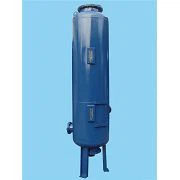
Hey there! As a pressure vessel supplier, I've seen firsthand how crucial it is to properly inspect these things. Pressure vessels are used in a whole bunch of industries, from chemical processing to food and beverage, and making sure they're in tip - top shape is super important for safety and efficiency. So, let's dive into how to inspect a pressure vessel.
Pre - inspection Preparations
Before you even start looking at the pressure vessel, there are some things you gotta do. First off, gather all the relevant documentation. This includes the vessel's design drawings, maintenance records, and any previous inspection reports. These papers can tell you a lot about the vessel's history, like if it's had any previous issues or if it's due for a particular type of check.
You also need to get the right tools. You'll typically need things like a measuring tape for checking dimensions, a thickness gauge to measure the wall thickness of the vessel, a magnifying glass for a closer look at the surface, and a non - destructive testing (NDT) kit if you're going to do some more in - depth checks.
Visual Inspection
Let's start with the visual inspection. This is the most basic but also one of the most important steps. Walk around the pressure vessel and take a good look at the exterior. Check for any signs of corrosion. Corrosion can eat away at the metal, weakening the vessel over time. Look for rust, pitting, or any discoloration on the surface.
Inspect the welds. Welds are critical parts of a pressure vessel, and any cracks or defects in them can be a big problem. Use your magnifying glass to look for small cracks that might not be visible to the naked eye. Also, check the alignment of the parts. If the vessel is made up of multiple sections, make sure they're properly aligned.
Don't forget to look at the supports and foundations. The vessel needs to be properly supported to prevent stress on the walls. Check if the supports are damaged or if there's any sign of movement or settlement in the foundation.
Dimension Check
After the visual inspection, it's time to measure the vessel. Use your measuring tape to check the overall dimensions of the pressure vessel. Compare these measurements with the design specifications. Any significant deviation from the original dimensions could indicate a problem, like distortion due to over - pressure or thermal stress.
Measure the wall thickness with a thickness gauge. This is important because a decrease in wall thickness can reduce the vessel's ability to withstand pressure. Take multiple measurements at different points on the vessel to get an accurate picture of the wall condition.
Non - Destructive Testing (NDT)
NDT is a great way to find internal defects without having to cut into the vessel. There are several NDT methods you can use.
Ultrasonic Testing
Ultrasonic testing is commonly used to detect internal flaws like cracks or voids. It works by sending high - frequency sound waves into the metal. If there's a defect, the sound waves will bounce back differently, and the equipment can detect these changes. This method is really useful for finding hidden problems deep inside the vessel walls.
Radiographic Testing
Radiographic testing uses X - rays or gamma rays to create an image of the internal structure of the vessel. It's like taking an X - ray of the vessel. This method can show details of the internal components and help identify any defects, such as cracks or improper welds. However, it's a bit more complex and requires special safety precautions because of the use of radiation.
Magnetic Particle Testing
Magnetic particle testing is suitable for detecting surface and near - surface defects in ferromagnetic materials. You apply a magnetic field to the vessel and then sprinkle magnetic particles on the surface. If there's a defect, the magnetic field will be disrupted, and the particles will accumulate at the defect site, making it visible.
Inspection of Accessories
Pressure vessels don't work alone; they have a bunch of accessories that are also important to inspect.
Valves
Check the valves for proper operation. Open and close them to make sure they're not stuck. Look for any signs of leakage around the valve stems or connections. A leaking valve can lead to pressure loss or even a safety hazard.
Gauges
Inspect the pressure gauges and temperature gauges. Make sure they're accurate by comparing their readings with a known standard. If a gauge is not working correctly, it can give false information, which can be dangerous when operating the pressure vessel.
Relief Devices
Relief devices, like safety valves, are crucial for preventing over - pressure situations. Check if the relief device is in good condition and if it's set to the correct pressure. Test it if possible to make sure it will open at the right pressure to relieve excess pressure safely.
Post - inspection Actions
Once you've completed the inspection, it's time to take action based on your findings. If you've found any minor issues, like a small surface crack or a slightly leaking valve, you can usually repair them. For more serious problems, such as significant corrosion or major weld defects, you might need to replace parts of the vessel or even the whole vessel.
Document all your findings in a detailed report. Include the inspection date, the methods used, the results, and any actions taken. This report will be important for future inspections and for demonstrating compliance with safety regulations.
Our Pressure Vessel Products
At our company, we offer a wide range of high - quality pressure vessel products. For example, we have the Stainless Steel Normal Type - flange Cartridge Filter Housing For Treatment Equipment. This housing is designed for treatment equipment and is made of stainless steel, which is resistant to corrosion.
We also have the Ss304 316L Cartridge Filter Housing Common Flange Top Closure Housings Without Legs. These housings are made of high - quality Ss304 or 316L stainless steel and are suitable for various applications.
Another great product is the Stainless Steel Cartridge Filter Housing Sanitary Double Flanges With Legs. It's designed with sanitary double flanges and legs, making it ideal for industries with high - hygiene requirements.
If you're in the market for pressure vessels or need more information about inspection and maintenance, don't hesitate to reach out. We're here to help you make the right choice for your business. Whether you're a small - scale operation or a large industrial company, we have the products and expertise to meet your needs.


References
- ASME Boiler and Pressure Vessel Code
- API 510 Pressure Vessel Inspection Code
- NACE International Corrosion Handbook