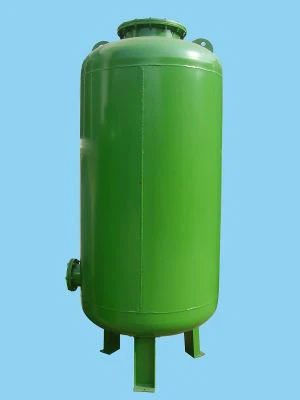
Algae growth in a cone water tank can be a frustrating and potentially harmful issue. As a supplier of cone water tanks, I understand the importance of maintaining clean and algae - free water in these tanks. Not only does algae growth affect the aesthetic quality of the water, but it can also pose health risks and cause damage to the tank and associated plumbing systems. In this blog, I will discuss some effective strategies to prevent algae growth in a cone water tank.
Understanding the Causes of Algae Growth
Before delving into prevention methods, it's crucial to understand what causes algae to grow in a water tank. Algae are simple, plant - like organisms that thrive in the presence of water, sunlight, and nutrients. In the context of a cone water tank, these conditions can be easily met. The tank stores water, which provides the necessary medium for algae to grow. If the tank is exposed to sunlight, either directly or through improper shading, it offers the energy source that algae need for photosynthesis. Additionally, nutrients such as phosphates and nitrates can enter the tank through the water supply or from external sources, which further promote algae growth.
Choosing the Right Tank Material
One of the initial steps in preventing algae growth is selecting the appropriate tank material. Stainless Steel Sanitary Water Tank Cone [/tank/santiary - water - tank/stainless - steel - sanitary - water - tank - cone.html] is an excellent choice. Stainless steel is non - porous, which means it doesn't provide a surface for algae to attach and grow. It is also highly resistant to corrosion, ensuring that the tank remains in good condition over time. Unlike some other materials, stainless steel does not leach any substances into the water that could promote algae growth.
SS304/316L water pressure tank cone santiary water holding vessel [/tank/santiary - water - tank/ss304 - 316l - water - pressure - tank - cone - santiary.html] is made from high - quality stainless steel grades such as SS304 or SS316L. These grades are known for their durability and hygiene, making them ideal for storing water. The smooth surface of the stainless - steel tank makes it difficult for algae to adhere and form colonies.
Optimal Tank Placement
Proper placement of the cone water tank plays a significant role in preventing algae growth. The tank should be installed in a shaded area. Sunlight is one of the key factors that stimulate algae growth through photosynthesis. By keeping the tank out of direct sunlight, you can significantly reduce the chances of algae blooming.
If it's not possible to place the tank in a naturally shaded location, you can use shading materials such as tarps or purpose - built tank covers. These covers should be opaque to block out sunlight completely. However, make sure that the cover allows for proper ventilation to prevent the build - up of moisture, which can also create a favorable environment for other types of microorganisms.
Regular Cleaning and Maintenance
Regular cleaning of the cone water tank is essential to prevent algae growth. Over time, sediment and debris can accumulate at the bottom of the tank, providing nutrients for algae. You should schedule periodic tank cleaning, at least once or twice a year, depending on the water usage and the quality of the water source.
During the cleaning process, drain the tank completely and use a mild detergent or a specialized tank cleaner to scrub the interior surfaces. Pay special attention to the corners and seams of the cone - shaped tank, as these areas are more likely to harbor algae and debris. Rinse the tank thoroughly with clean water to remove any traces of the cleaner before refilling it.


In addition to physical cleaning, it's important to inspect the tank regularly for any signs of damage or leakage. A damaged tank can allow external contaminants, including nutrients for algae, to enter the water. Promptly repair any leaks or damages to maintain the integrity of the tank.
Water Treatment
Water treatment is another effective way to prevent algae growth. There are several water treatment options available, including chemical and non - chemical methods.
Chlorination
Chlorination is a common and effective method of water treatment. Chlorine is a powerful disinfectant that can kill algae and other harmful microorganisms. You can add chlorine tablets or liquid chlorine to the water in the tank according to the manufacturer's instructions. However, it's important to monitor the chlorine levels regularly to ensure that they are within the safe range for human consumption. High chlorine levels can be toxic, while low levels may not be effective in preventing algae growth.
Ultraviolet (UV) Treatment
UV treatment is a non - chemical alternative to chlorination. A UV water treatment system is installed in the water supply line leading to the tank. As the water passes through the UV chamber, the UV light destroys the DNA of algae and other microorganisms, preventing them from reproducing. This method is environmentally friendly and does not add any chemicals to the water. However, it requires a reliable power source and regular maintenance of the UV lamp.
Filtration
Filtration can remove impurities and nutrients from the water before it enters the tank. There are various types of filters available, such as sediment filters, activated carbon filters, and reverse osmosis filters. Sediment filters can remove large particles such as sand and dirt, while activated carbon filters can remove organic compounds and some chemicals. Reverse osmosis filters are the most effective in removing a wide range of contaminants, including dissolved salts and heavy metals. By reducing the amount of nutrients in the water, filtration can help prevent algae growth.
Monitoring Water Quality
Regularly monitoring the water quality in the cone water tank is crucial for preventing algae growth. You can use water testing kits to measure parameters such as pH, chlorine levels, phosphate levels, and nitrate levels. Maintaining the proper pH level (usually between 6.5 and 8.5) is important for the effectiveness of water treatment methods and for preventing the growth of algae.
High phosphate and nitrate levels are indicators of nutrient pollution, which can promote algae growth. If the test results show high levels of these nutrients, you may need to adjust your water treatment methods or investigate the source of the pollution. For example, if the water supply has high phosphate levels, you may need to install a phosphate filter.
Considerations for Water Pressure Tanks
If you are using a cone water tank as a water pressure tank, it's important to ensure that the tank is functioning properly. Water Pressure Tank/pressure Water Tank [/tank/santiary - water - tank/water - pressure - tank.html] requires proper pressure regulation to maintain the water flow and prevent waterlogging, which can contribute to algae growth.
Regularly check the pressure gauge on the tank to ensure that the pressure is within the recommended range. If the pressure is too low, it may indicate a problem with the tank or the pump. If the pressure is too high, it can cause damage to the tank and the plumbing system.
Conclusion
Preventing algae growth in a cone water tank requires a combination of proper tank selection, optimal placement, regular cleaning and maintenance, water treatment, and monitoring of water quality. By following these strategies, you can ensure that your cone water tank provides clean and safe water for your needs.
As a cone water tank supplier, I'm committed to providing high - quality tanks and assisting our customers in maintaining their tanks effectively. If you have any questions about preventing algae growth or are interested in purchasing a cone water tank, please don't hesitate to contact us for further discussions and procurement.
References
- "Water Treatment and Sanitation Handbook" by Water Research Center
- "Stainless Steel in the Water Industry" by International Stainless Steel Forum
- "Algae Biology and Ecology" by various experts in the field