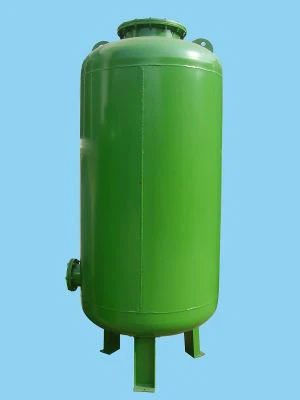
When it comes to using a brewing tank, safety should always be the top priority. As a brewing tank supplier, I've witnessed firsthand the importance of adhering to strict safety precautions to ensure not only the well - being of those operating the equipment but also the quality and consistency of the final product. In this blog, I'll share some essential safety measures that should be taken when using a brewing tank.
Pre - operational Safety Measures
Inspection and Maintenance
Before each use, a thorough inspection of the brewing tank is crucial. Check for any visible signs of damage such as cracks, dents, or leaks. Any compromised parts should be replaced immediately. It's also important to ensure that all valves, gauges, and connections are in proper working condition. For example, pressure gauges should be calibrated regularly to provide accurate readings. A malfunctioning gauge could lead to over - pressurization, which can be extremely dangerous.
Refer to the manufacturer's guidelines for maintenance schedules. Regular cleaning and sanitization of the tank are essential. This helps prevent the growth of unwanted bacteria and yeast that can contaminate the brew. If you're interested in our high - quality brewing tanks, you can explore the Stainless Steel Industrial 500L - 10000L Fermenter Beer Wine Brewing Vessel Fementation Storage Tank. These tanks are designed to meet the highest standards of quality and durability, but proper inspection and maintenance are still key to safe operation.
Training
All personnel involved in operating the brewing tank should receive comprehensive training. They need to understand the basic principles of brewing, the specific functions of the tank, and the potential hazards associated with its operation. Training should cover how to operate valves, control temperatures, and respond to emergencies.
Proper training can significantly reduce the risk of accidents. For instance, an operator who knows how to correctly relieve pressure from the tank during a fermentation process can prevent dangerous situations. Our company is committed to providing support and guidance to our customers, ensuring that their staff is well - trained to use our brewing tanks safely.


Safety During Operation
Pressure Management
Brewing tanks often operate under pressure, especially during the fermentation process. It's essential to monitor the pressure inside the tank continuously. Never exceed the maximum pressure rating specified by the manufacturer. Over - pressurization can cause the tank to rupture, leading to serious injuries and property damage.
Install pressure relief valves as a safety measure. These valves are designed to open automatically when the pressure inside the tank reaches a dangerous level, releasing excess pressure. Regularly test these valves to ensure they are functioning correctly. For more in - depth knowledge about the fermentation process and pressure control, check out Beer Fermentation Exposed.
Temperature Control
Temperature control is another critical aspect of brewing. Different types of brews require specific temperature ranges for optimal fermentation. Incorrect temperatures can not only affect the quality of the product but also pose safety risks.
Use reliable temperature sensors and control systems to maintain the desired temperature. If the temperature rises too high, it can increase the pressure inside the tank. Conversely, extremely low temperatures can cause some components of the tank to become brittle and more likely to break.
Chemical Handling
Brewing often involves the use of various chemicals such as cleaning agents and sanitizers. These chemicals can be harmful if not handled properly. Follow all safety guidelines provided by the chemical manufacturers. Wear appropriate personal protective equipment (PPE) such as gloves, goggles, and aprons when handling chemicals.
Store chemicals in a designated area away from the brewing tank. Make sure the storage area is well - ventilated and protected from extreme temperatures. When using chemicals for cleaning the brewing tank, follow the correct dilution ratios and contact times to ensure effective cleaning without causing damage to the tank.
Post - Operational Safety
Depressurization and Cooling
After the brewing process is complete, it's important to follow the proper depressurization procedure. Slowly release the pressure inside the tank to prevent sudden changes that could damage the tank or cause injury. Allow the tank to cool down naturally or use a cooling system if available.
Rapid depressurization or cooling can cause thermal stress on the tank, leading to cracks or other structural damage. Once the tank is depressurized and cooled, it can be safely emptied and prepared for cleaning.
Cleaning and Storage
Thoroughly clean the brewing tank after each use to prevent the buildup of residues that can harbor bacteria. Use mild cleaning agents that are compatible with the material of the tank. Our Stainless Steel Fermentation Tank Polished Or Sandblast External Surface Tri Clamp Ferrule Connection Size Customized is made of high - quality stainless steel, which is easy to clean and resistant to corrosion.
After cleaning, dry the tank completely before storing it. Store the tank in a dry, well - ventilated area away from direct sunlight and extreme temperatures. This helps extend the lifespan of the tank and ensures its continued safe operation.
Additional Safety Considerations
Emergency Preparedness
Have an emergency plan in place in case of accidents such as leaks, fires, or explosions. The plan should include evacuation routes, emergency contact numbers, and procedures for dealing with different types of emergencies. Provide appropriate fire - fighting equipment and first - aid kits in the brewing area.
Regularly conduct emergency drills to ensure that all personnel know what to do in case of an emergency. This can help minimize the damage and injuries in the event of an accident.
Environmental Safety
Be mindful of the environmental impact of brewing operations. Dispose of waste materials such as spent grains, yeast, and cleaning chemicals properly. Comply with all local environmental regulations to prevent pollution.
If you're interested in learning more about how our brewing tanks can contribute to safe and sustainable brewing operations, don't hesitate to reach out. Our team of experts is ready to assist you with any questions you may have regarding the safety and performance of our brewing tanks. Whether you're a small craft brewery or a large - scale industrial operation, we have the right brewing tank solutions for you. Contact us today to start a discussion about your brewing tank needs and explore how we can help you achieve safe and successful brewing.
References
- General brewing safety guidelines from industry standards
- Manufacturer's manuals for brewing tanks
- Chemical safety data sheets for brewing - related chemicals