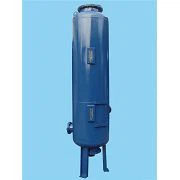
As a seasoned supplier of mechanical filters, I've witnessed firsthand the intricacies and challenges associated with their regeneration. Mechanical filters are indispensable in a wide array of industries, from water treatment to air purification, providing a crucial line of defense against contaminants. However, the regeneration process, while essential for maintaining filter efficiency and longevity, is fraught with problems that can significantly impact performance and operational costs.
1. Clogging and Reduced Flow Rates
One of the most prevalent issues with mechanical filter regeneration is clogging. Over time, mechanical filters accumulate debris, sediment, and other particulate matter, which can gradually block the filter media. This not only reduces the filter's ability to remove contaminants but also restricts the flow of fluid or air through the system. As a result, the pressure drop across the filter increases, leading to decreased efficiency and potentially causing damage to downstream equipment.
During the regeneration process, dislodging and removing the accumulated debris can be a daunting task. Traditional methods such as backwashing or air scouring may not always be sufficient to fully clean the filter media, especially if the contaminants are tightly packed or have adhered to the surface. In some cases, the filter may need to be replaced entirely, which can be costly and time-consuming.
To mitigate the problem of clogging, it's essential to choose the right filter media and design for the specific application. For example, our Quick Lock Opening Multi Media Pressure Filter Housing Carbon Steel is designed with a multi-media filtration system that can effectively capture a wide range of contaminants, reducing the risk of clogging. Additionally, regular maintenance and monitoring of the filter system can help identify and address potential issues before they become severe.
2. Media Degradation
Another significant problem with mechanical filter regeneration is media degradation. The filter media, which is responsible for capturing and retaining contaminants, can deteriorate over time due to factors such as mechanical stress, chemical exposure, and biological activity. This can lead to a reduction in the filter's effectiveness and lifespan, as well as an increase in the release of contaminants back into the system.
During the regeneration process, the filter media may be subjected to high pressures, temperatures, and chemical treatments, which can further accelerate its degradation. For example, backwashing with harsh chemicals or high-pressure water can damage the filter media, causing it to break down or lose its filtering properties. In some cases, the media may become so degraded that it can no longer be regenerated and must be replaced.
To minimize media degradation, it's important to select high-quality filter media that is resistant to the specific operating conditions. Our Carbon Steel /ss 304/316 Multi Media Mechanical Filter Housing Double Flanges uses a combination of carbon steel and stainless steel materials, which are highly durable and resistant to corrosion. Additionally, proper regeneration techniques and procedures should be followed to ensure that the filter media is not subjected to excessive stress or damage.
3. Incomplete Regeneration
Incomplete regeneration is another common problem with mechanical filters. Even with the best regeneration methods, it can be challenging to completely remove all the contaminants from the filter media. Residual contaminants can remain trapped in the filter, reducing its efficiency and potentially causing problems downstream.
Incomplete regeneration can occur for several reasons, including inadequate regeneration time, improper flow rates, or ineffective regeneration techniques. For example, if the backwashing process is not carried out for a sufficient amount of time, some of the contaminants may not be dislodged from the filter media. Similarly, if the flow rate during backwashing is too low, the contaminants may not be effectively removed from the system.
To ensure complete regeneration, it's important to optimize the regeneration process based on the specific filter design and operating conditions. This may involve adjusting the regeneration time, flow rates, and chemical concentrations to achieve the best results. Our Stainless Steel/carbon Steel Active Carbon Medium Filter Housing Various Kinds Size Customizable can be customized to meet the specific requirements of your application, allowing for more precise control over the regeneration process.
4. Cost and Environmental Impact
The regeneration of mechanical filters can also be costly and have a significant environmental impact. The process typically involves the use of energy, water, and chemicals, which can contribute to increased operating costs and environmental pollution.
The cost of regeneration includes the energy required to operate the regeneration equipment, the cost of water and chemicals used in the process, and the labor required to perform the maintenance. Additionally, the disposal of the waste generated during the regeneration process can also be a significant expense.
From an environmental perspective, the use of chemicals and water in the regeneration process can have a negative impact on the environment. Chemicals can contaminate water sources and soil, while the excessive use of water can lead to water scarcity. To reduce the cost and environmental impact of regeneration, it's important to adopt sustainable practices such as using energy-efficient equipment, recycling water, and minimizing the use of chemicals.
Conclusion
In conclusion, the regeneration of mechanical filters is a complex process that is fraught with problems. Clogging, media degradation, incomplete regeneration, and cost and environmental impact are just some of the challenges that need to be addressed to ensure the efficient and sustainable operation of mechanical filter systems.
As a mechanical filter supplier, we are committed to providing our customers with high-quality products and solutions that address these challenges. Our range of Quick Lock Opening Multi Media Pressure Filter Housing Carbon Steel, Carbon Steel /ss 304/316 Multi Media Mechanical Filter Housing Double Flanges, and Stainless Steel/carbon Steel Active Carbon Medium Filter Housing Various Kinds Size Customizable are designed to provide effective filtration and easy regeneration, helping to minimize the problems associated with mechanical filter regeneration.
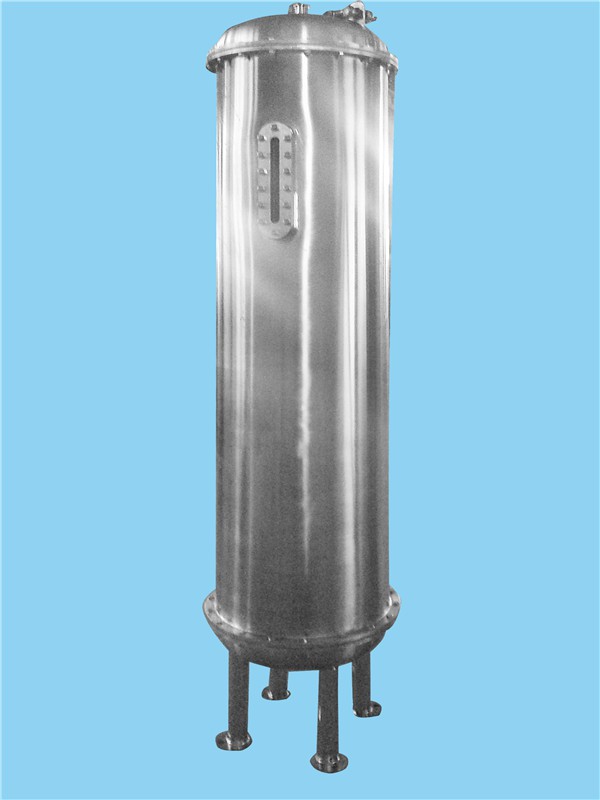

If you're facing challenges with the regeneration of your mechanical filters or are looking for a reliable supplier of high-quality mechanical filters, we invite you to contact us to discuss your specific needs. Our team of experts is ready to provide you with the best solutions and support to ensure the success of your filtration system.
References
- AWWA. (2018). Water Treatment Plant Design. American Water Works Association.
- EPA. (2019). National Primary Drinking Water Regulations. U.S. Environmental Protection Agency.
- Tchobanoglous, G., Burton, F. L., & Stensel, H. D. (2003). Wastewater Engineering: Treatment and Reuse. McGraw-Hill.