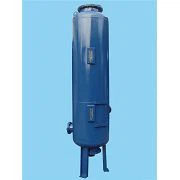
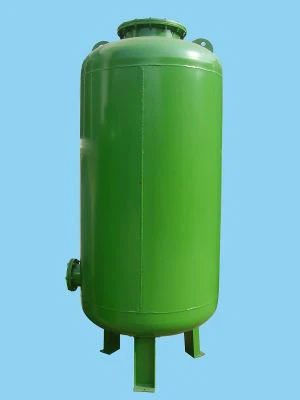
The dissolution process is a fundamental operation in various industries, including pharmaceuticals, food and beverage, and chemical manufacturing. A dissolution tank plays a crucial role in this process, as it provides the environment where a solute is dissolved into a solvent. One aspect that often goes unnoticed but can significantly impact the dissolution process is the shape of the dissolution tank. As a leading dissolution tank supplier, we have delved deep into the effects of tank shape on the dissolution process, and in this blog, we will share our insights.
The Basics of the Dissolution Process
Before we explore the impact of tank shape, let's briefly review the dissolution process. Dissolution occurs when a solute, such as a solid or a gas, is dispersed and incorporated into a solvent, forming a homogeneous solution. The rate of dissolution is influenced by several factors, including temperature, agitation, surface area of the solute, and the properties of the solvent and solute. The shape of the dissolution tank can affect these factors, thereby influencing the overall dissolution process.
Impact of Tank Shape on Agitation
Agitation is a key factor in the dissolution process as it helps to increase the contact between the solute and the solvent, promoting faster dissolution. The shape of the tank can have a profound impact on the effectiveness of agitation.

Cylindrical Tanks
Cylindrical tanks are one of the most common shapes used in the industry. They offer several advantages when it comes to agitation. The circular cross - section of a cylindrical tank allows for a more uniform flow pattern when an agitator is used. The fluid in a cylindrical tank tends to rotate in a circular motion, creating a well - mixed environment. This circular flow helps to distribute the solute evenly throughout the solvent, reducing the formation of concentration gradients. As a result, the dissolution rate can be enhanced. For example, in a pharmaceutical manufacturing process where a drug powder needs to be dissolved in a liquid, a cylindrical dissolution tank can ensure that the powder is quickly and uniformly dispersed, leading to a more consistent product quality. You can find more information about our well - designed cylindrical tanks in our Stainless Steel Industrial 500L - 10000L Fermenter Beer Wine Brewing Vessel Fementation Storage Tank product page.
Rectangular Tanks
Rectangular tanks, on the other hand, have a different flow pattern. In a rectangular tank, the corners can create stagnant zones where the fluid flow is minimal. These stagnant zones can impede the movement of the solute and the solvent, resulting in slower dissolution rates. However, rectangular tanks can be designed with multiple agitators or baffles to overcome these issues. Baffles are vertical plates installed inside the tank to disrupt the flow and prevent the formation of a single large vortex. By adding baffles, the fluid flow in a rectangular tank can be made more turbulent, improving the mixing efficiency and enhancing the dissolution process. For more details on tank design and agitation, refer to Beer Fermentation Exposed.
Conical Tanks
Conical tanks are often used when a settling or draining function is required in addition to dissolution. The conical shape allows for easy collection of solids at the bottom of the tank. In terms of agitation, the conical shape can create a unique flow pattern. The fluid in a conical tank tends to flow from the top to the bottom and then back up along the walls. This flow pattern can be beneficial for dissolving solids as it continuously brings the solute in contact with the solvent. However, the agitation in a conical tank may not be as uniform as in a cylindrical tank, especially if the cone angle is too steep. Careful design and selection of the agitator are necessary to ensure efficient dissolution in a conical tank.
Impact of Tank Shape on Surface Area and Solute Distribution
The shape of the dissolution tank can also affect the surface area of the solute exposed to the solvent and the distribution of the solute within the tank.
Surface Area
A tank with a larger surface area can provide more contact between the solute and the solvent, which can increase the dissolution rate. For example, a tank with a flat - bottomed and wide - top design may expose more of the solute to the solvent compared to a tall and narrow tank. However, the overall volume of the tank and the amount of solvent also need to be considered. A tank with a very large surface area but a small volume may not be able to dissolve a large amount of solute effectively.
Solute Distribution
The shape of the tank can influence how the solute is distributed within the tank. In a well - designed cylindrical tank, the solute can be evenly distributed throughout the solvent due to the uniform flow pattern. In contrast, in a tank with irregular shapes or corners, the solute may accumulate in certain areas, leading to uneven dissolution. This can result in variations in the concentration of the solution, which can be a problem in industries where precise concentration control is required, such as in the production of pharmaceuticals and high - quality food products.
Impact of Tank Shape on Heat Transfer
In many dissolution processes, temperature control is crucial. The shape of the tank can affect the heat transfer efficiency, which in turn can impact the dissolution rate.
Cylindrical Tanks
Cylindrical tanks have a relatively large surface - area - to - volume ratio compared to some other shapes, which can be beneficial for heat transfer. The circular shape also allows for uniform heat distribution when a heating or cooling jacket is used. This is important because temperature can significantly affect the solubility of the solute. For example, in a chemical process where a solid chemical needs to be dissolved in a liquid, increasing the temperature can often increase the solubility. A well - designed cylindrical tank can ensure that the temperature is evenly maintained throughout the tank, promoting a more efficient dissolution process.
Rectangular Tanks
Rectangular tanks may have some challenges in terms of heat transfer. The corners of a rectangular tank can create areas where heat transfer is less efficient. However, by using a well - designed heating or cooling system and proper insulation, these issues can be mitigated. Rectangular tanks can also be designed with multiple heating or cooling zones to ensure more uniform temperature control.
Practical Considerations for Selecting the Right Tank Shape
When selecting a dissolution tank shape, several practical considerations need to be taken into account.
Process Requirements
The specific requirements of the dissolution process, such as the type of solute and solvent, the desired dissolution rate, and the required concentration control, should guide the selection of the tank shape. For example, if a high - volume dissolution process with a large amount of solid solute is required, a cylindrical or rectangular tank with a large volume may be more suitable. If a settling step is also involved, a conical tank may be a better choice.
Space Constraints
The available space in the manufacturing facility is another important factor. Rectangular tanks can be more easily installed in a limited - space environment as they can be placed against walls or in corners. Cylindrical tanks, on the other hand, may require more open space due to their circular shape.
Cost
The cost of the tank, including the initial purchase cost, installation cost, and maintenance cost, should also be considered. Cylindrical tanks are generally more cost - effective to manufacture and install compared to tanks with complex shapes. However, the long - term benefits of a well - designed tank, such as improved dissolution efficiency and product quality, should also be factored into the cost - benefit analysis.
Conclusion
In conclusion, the shape of a dissolution tank can have a significant impact on the dissolution process. It affects agitation, surface area, solute distribution, and heat transfer, all of which are crucial factors in achieving efficient and consistent dissolution. As a dissolution tank supplier, we understand the importance of selecting the right tank shape for your specific application. We offer a wide range of dissolution tanks in different shapes and sizes, including Stainless Steel Fermentation Tank Polished Or Sandblast External Surface Tri Clamp Ferrule Connection Size Customized, to meet your diverse needs.
If you are looking for a high - quality dissolution tank that can optimize your dissolution process, we invite you to contact us for a detailed discussion. Our team of experts is ready to provide you with professional advice and customized solutions. Let's work together to improve your production efficiency and product quality.
References
- Perry, R. H., & Green, D. W. (2008). Perry's Chemical Engineers' Handbook. McGraw - Hill.
- McCabe, W. L., Smith, J. C., & Harriott, P. (2005). Unit Operations of Chemical Engineering. McGraw - Hill.
- Coulson, J. M., & Richardson, J. F. (1999). Chemical Engineering. Butterworth - Heinemann.