


Hey there! As a supplier of SS bag vessels, I often get asked about the maximum pressure these vessels can withstand. It's a crucial question, especially for industries that rely on these vessels for various filtration and storage needs. In this blog, I'll break down what affects the pressure tolerance of SS bag vessels and give you a better understanding of their capabilities.
Understanding SS Bag Vessels
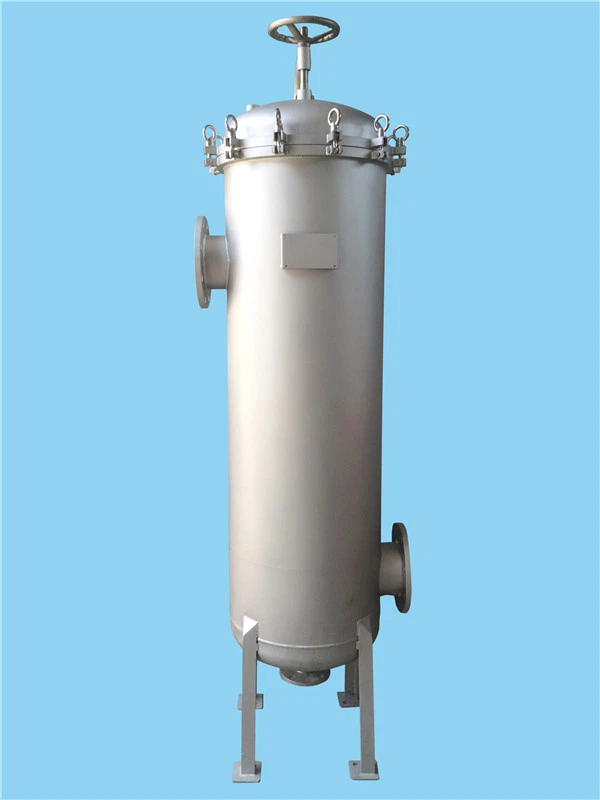
First off, let's quickly go over what SS bag vessels are. They're typically made of stainless steel, which is known for its durability, corrosion resistance, and strength. These vessels are used in a wide range of industries, from food and beverage to chemical processing and water treatment. They come in different sizes and configurations, like multi - bag setups, and are designed to hold filter bags that trap impurities from liquids or gases passing through them.
Some of our popular products include the Stainless Steel Dust Collector Bag Filter Housing Quickly Flange Multi Bag Bottom in Bottom Out, Stainless Steel Multi Bag Filter Housing Industrial Bag Filters Quickly Flange Davit Arm Bottom In Bottom Out Flange, and SS Multi Bag Filter Housing Industrial Bag Filters Quickly Flange Davit Arm Side In Side Out Flange. These products are built to handle different types of filtration tasks and have unique features that make them suitable for various applications.
Factors Affecting Maximum Pressure
Material Quality
The quality of the stainless steel used in the vessel plays a huge role in determining its maximum pressure tolerance. High - grade stainless steel alloys, like 304 or 316, are commonly used because they offer better strength and corrosion resistance. A vessel made from a top - notch stainless steel alloy can withstand higher pressures compared to one made from a lower - quality material.
Design and Construction
The design of the SS bag vessel is also a key factor. Vessels with thicker walls can generally handle more pressure. The way the vessel is constructed, including the welding quality and the type of seams, matters too. Well - welded seams and proper reinforcement can distribute pressure evenly across the vessel, preventing weak points that could lead to failure under high pressure.
Size and Shape
The size and shape of the vessel can impact its pressure - handling ability. Smaller vessels tend to have a higher pressure tolerance because the pressure is distributed over a smaller area. Also, vessels with a spherical or cylindrical shape are often better at handling pressure than those with irregular shapes. This is because the curved surfaces of spherical and cylindrical vessels can evenly distribute the internal pressure.

Calculating Maximum Pressure
Determining the exact maximum pressure that an SS bag vessel can withstand isn't always straightforward. It usually involves a combination of engineering calculations and testing. Manufacturers use formulas based on the material properties, wall thickness, and vessel dimensions to estimate the pressure rating.
However, it's not just about the math. Real - world testing is also essential. We subject our vessels to rigorous pressure tests to ensure they meet or exceed the calculated pressure ratings. These tests involve gradually increasing the pressure inside the vessel until it reaches the maximum safe level. During the test, we closely monitor the vessel for any signs of deformation, leakage, or other issues.
Typical Pressure Ratings
In general, SS bag vessels can handle pressures ranging from a few psi (pounds per square inch) to several hundred psi. For light - duty applications, like small - scale water filtration in a residential or commercial setting, vessels might be rated for pressures around 10 - 50 psi.
On the other hand, industrial applications, such as chemical processing or high - pressure filtration, may require vessels that can withstand pressures of 100 - 300 psi or even higher. Our products are designed to cover a wide range of pressure requirements, so we can offer the right solution for different industries.
Safety Considerations
When using SS bag vessels, safety should always be the top priority. It's crucial to never exceed the recommended maximum pressure rating of the vessel. Over - pressurizing can lead to serious accidents, including vessel rupture, which can cause injury to personnel and damage to equipment.
Regular maintenance and inspection of the vessels are also important. Check for signs of wear and tear, corrosion, or damage to the vessel and its components. Replace any worn - out parts promptly to ensure the vessel continues to operate safely and effectively.
Conclusion
So, to sum it up, the maximum pressure that SS bag vessels can withstand depends on several factors, including material quality, design, size, and shape. By using high - quality materials, proper design, and thorough testing, we can provide vessels that can handle a wide range of pressure requirements.
If you're in the market for SS bag vessels and need to know more about their pressure ratings or other features, don't hesitate to reach out. We're here to help you find the best solution for your specific needs. Whether you're a small business or a large industrial operation, we have the expertise and products to meet your requirements. Contact us today to start the procurement process and get the perfect SS bag vessel for your application.
References
- ASME Boiler and Pressure Vessel Code
- ASTM Standards for Stainless Steel Materials
- Industry best practices for pressure vessel design and testing


