


Hey there! As a supplier of pressure filters, I often get asked about the maintenance these nifty machines need. Well, you've come to the right place. I'm gonna break down all the essential maintenance tasks for pressure filters, so you can keep yours running smoothly for years to come.
Regular Inspections
First off, regular inspections are a must. You should take a look at your pressure filter at least once a month. Check for any visible signs of wear and tear, like cracks in the housing or leaks around the seals. A small crack or leak might seem insignificant at first, but it can lead to bigger problems down the line, like reduced filtration efficiency or even complete system failure.
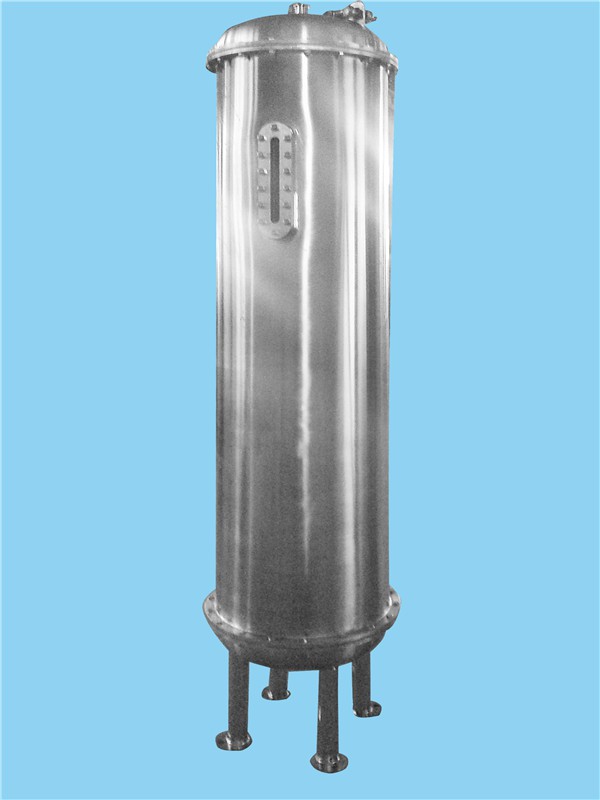

When you're inspecting the filter housing, pay close attention to the material it's made of. For example, if you have a Carbon Steel /ss 304/316 Multi Media Mechanical Filter Housing Double Flanges, carbon steel can be prone to rust if it's exposed to moisture for too long. So, look for any signs of rust spots and address them immediately. Stainless steel models, on the other hand, are more corrosion - resistant, but they can still get scratched or dented, which can compromise their integrity.
The seals are another critical part to inspect. Over time, seals can dry out, crack, or become misaligned. This can cause leaks, which not only waste the fluid being filtered but can also lead to contamination. If you notice any issues with the seals, replace them as soon as possible.
Cleaning the Filter Media
The filter media is the heart of your pressure filter. It's what actually traps all the impurities and contaminants from the fluid. Depending on how often you use your filter and the type of fluid you're filtering, you'll need to clean or replace the filter media regularly.
For most applications, it's a good idea to clean the filter media every few months. If you're filtering a particularly dirty or viscous fluid, you might need to do it more often. To clean the filter media, first, turn off the pressure filter and relieve the pressure in the system. Then, carefully remove the filter media from the housing.
You can clean the filter media using a gentle cleaning solution and a soft brush. Avoid using harsh chemicals or abrasive materials, as these can damage the filter media. Rinse the media thoroughly with clean water and let it dry completely before reinstalling it.
If the filter media is too dirty or damaged to be cleaned effectively, it's time to replace it. There are different types of filter media available, depending on your specific filtration needs. For example, Stainless Steel/carbon Steel Active Carbon Medium Filter Housing Various Kinds Size Customizable uses active carbon as the filter media, which is great for removing organic compounds and odors from the fluid.
Monitoring Pressure and Flow Rates
Monitoring the pressure and flow rates of your pressure filter is crucial for its proper operation. You should have a pressure gauge and a flow meter installed on your system to keep track of these parameters.
A sudden drop in pressure or flow rate can indicate a problem. It could mean that the filter media is clogged, there's a blockage in the pipes, or the pump is malfunctioning. On the other hand, a significant increase in pressure can put extra stress on the filter housing and other components, which can lead to leaks or even explosions in extreme cases.
If you notice any abnormal changes in pressure or flow rate, stop the system immediately and investigate the cause. Check the filter media for clogs, inspect the pipes for blockages, and make sure the pump is working correctly.
Lubricating Moving Parts
Many pressure filters have moving parts, such as valves, pumps, and motors. These parts need to be lubricated regularly to ensure smooth operation and prevent wear and tear.
Use a high - quality lubricant that's suitable for the specific materials and operating conditions of your pressure filter. Follow the manufacturer's recommendations for the type and frequency of lubrication. Over - lubricating can be just as bad as under - lubricating, as it can attract dirt and debris, which can cause more problems.
Calibrating Sensors and Controls
Modern pressure filters often come with sensors and controls to monitor and regulate the filtration process. These sensors and controls need to be calibrated regularly to ensure accurate readings and proper operation.
If the sensors are not calibrated correctly, they might give false readings, which can lead to improper filtration or even system damage. Most sensors can be calibrated using a calibration tool and following the manufacturer's instructions.
Training Your Staff
If you have employees who operate the pressure filter, it's essential to provide them with proper training. They should know how to operate the filter safely, perform basic maintenance tasks, and recognize the signs of potential problems.
A well - trained staff can help prevent costly breakdowns and ensure the longevity of your pressure filter. Make sure to update their training regularly as new technologies and maintenance procedures become available.
Record - Keeping
Keeping detailed records of your pressure filter's maintenance is a smart move. Record the dates of inspections, cleaning, filter media replacements, lubrication, and calibration. This will help you keep track of when the next maintenance tasks are due and can also be useful if you need to troubleshoot a problem.
When to Call in the Experts
While many maintenance tasks can be done in - house, there are times when it's best to call in the experts. If you're experiencing persistent problems with your pressure filter, such as recurring leaks, abnormal pressure fluctuations, or pump failures, a professional technician can diagnose and fix the issue quickly and effectively.
As a pressure filter supplier, I'm here to help you with all your filtration needs. Whether you're looking for a new filter, replacement parts, or advice on maintenance, don't hesitate to reach out. We can work together to find the best solutions for your specific application and ensure that your pressure filter performs at its best.
In conclusion, proper maintenance of a pressure filter is essential for its efficient and reliable operation. By following these maintenance tips, you can extend the life of your filter, improve its performance, and save money in the long run. If you're interested in purchasing a pressure filter or need more information about our products, feel free to contact us to start a procurement discussion.
References
- General industry knowledge and experience in pressure filter manufacturing and maintenance.
- Manufacturer's manuals for various pressure filter models.


