What are the installation requirements for a water softener? Well, as a water softener supplier, I've seen it all when it comes to getting these nifty devices up and running. In this blog, I'll walk you through the key installation requirements so you can make sure your water softener is installed correctly and works like a charm.
Location, Location, Location
First things first, you need to pick the right spot for your water softener. It should be installed indoors in a dry area where the temperature stays between 35°F and 100°F (1.7°C - 37.8°C). Avoid placing it in areas prone to freezing, like unheated basements or garages during the winter. You don't want your water softener to turn into an ice sculpture!
The location should also be close to a cold - water main line. This is where the water softener will draw in the hard water that it needs to treat. You'll also need to be near a drain for the regeneration process. During regeneration, the water softener flushes out the accumulated minerals, and this wastewater needs to go somewhere. A floor drain or a utility sink is a great option.
Plumbing Considerations
When it comes to plumbing, there are a few important points to keep in mind. You'll need to connect the water softener to the cold - water supply. Most water softeners come with detailed instructions on how to do this, but generally, you'll be cutting into the cold - water line and inserting the water softener. Make sure to use the right size of pipes and fittings. Copper, PVC, or PEX pipes are commonly used, and you'll need to use the appropriate connectors for your pipe type.
It's also a good idea to install shut - off valves on both the inlet and outlet of the water softener. This way, if you ever need to do maintenance or repairs, you can easily turn off the water supply to the unit.
Another thing to consider is the water pressure. The ideal water pressure for a water softener is between 30 and 100 psi (207 - 689 kPa). If your water pressure is too low, the water softener may not function properly. On the other hand, if it's too high, it can damage the unit. You may need to install a pressure regulator if your water pressure is outside of this range.
Electrical Requirements
Many water softeners require electricity to operate. You'll need to make sure there's an electrical outlet nearby. The outlet should be a grounded 120 - volt, 60 - Hz, 15 - amp circuit. It's important to follow all electrical safety codes when connecting the water softener. Don't use extension cords, as they can pose a fire hazard. Instead, have a qualified electrician install a dedicated outlet if necessary.
Space Requirements
Your water softener needs some breathing room. Make sure there's at least 6 inches of clearance around the unit for proper ventilation. This helps prevent overheating and ensures the longevity of the water softener. You'll also need enough space to access the control panel, salt tank (if it's a salt - based water softener), and other components for maintenance.
Salt and Resin
If you're using a salt - based water softener, you'll need to have a supply of salt on hand. The type of salt you use can vary, but most water softeners work well with either rock salt, solar salt, or evaporated salt. The salt is used in the regeneration process to recharge the resin beads in the water softener.
Speaking of resin beads, these are the heart of the water softening process. The resin beads are charged with sodium ions. When hard water passes through the resin bed, the calcium and magnesium ions in the hard water are exchanged for the sodium ions on the resin beads. Over time, the resin beads become saturated with calcium and magnesium ions and need to be regenerated.

Compatibility with Your Water Source
Before installing a water softener, it's important to test your water. You need to know the hardness level of your water, as well as the presence of other contaminants like iron, manganese, or sulfur. Some water softeners are designed specifically to handle high - iron or high - sulfur water. If your water has high levels of these contaminants, you may need to install additional pre - treatment devices, such as an iron filter or a sulfur filter.
Installation Tools
To install a water softener, you'll need a few basic tools. These include a pipe cutter, wrenches (adjustable and pipe wrenches), Teflon tape, and a drill (if you need to mount the unit). Having these tools on hand will make the installation process much smoother.
Additional Accessories
There are some additional accessories that can enhance the performance of your water softener. For example, a bypass valve allows you to bypass the water softener when needed, such as during maintenance or when you need a large amount of hard water for a specific task.
You might also consider installing a water softener control system. This can help you monitor the water softener's performance, adjust the regeneration settings, and receive alerts if there are any issues.
Product Recommendations
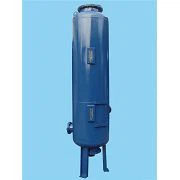
If you're in the market for a high - quality water softener, I'd like to recommend two of our great products. The Stainless Steel Ion Exchange Softening Vessel For Resin Water Softener Equipment is a great choice. It's made of stainless steel, which is durable and resistant to corrosion. This vessel provides a reliable housing for the resin beads, ensuring efficient water softening.
Another excellent option is the High Efficiency Hardness Removal Industrial Water Softener Equipment Sodium Stainless Steel Carbon Steel Ion Exchanger. This industrial - grade water softener is designed for high - volume applications. It offers high - efficiency hardness removal and is available in both stainless steel and carbon steel options.
Contact for Purchase and Consultation
If you have any questions about the installation requirements or if you're interested in purchasing a water softener, don't hesitate to reach out. Our team of experts is here to help you choose the right water softener for your needs and guide you through the installation process. We offer top - notch products and excellent customer service. Whether you're a homeowner looking to improve your water quality or a business owner in need of an industrial - grade solution, we've got you covered.
References
- Water Quality Association (WQA) - General guidelines on water softener installation.
- Manufacturer's manuals of various water softeners for specific installation instructions.