As a supplier of SS bag vessels, one of the most frequently asked questions I encounter is whether these vessels are odor - resistant. This is a crucial concern for many industries that rely on these vessels for various filtration and storage needs. In this blog, I will delve into the science behind the odor - resistance of SS bag vessels and provide you with a comprehensive understanding of their performance in this aspect.
Understanding SS Bag Vessels
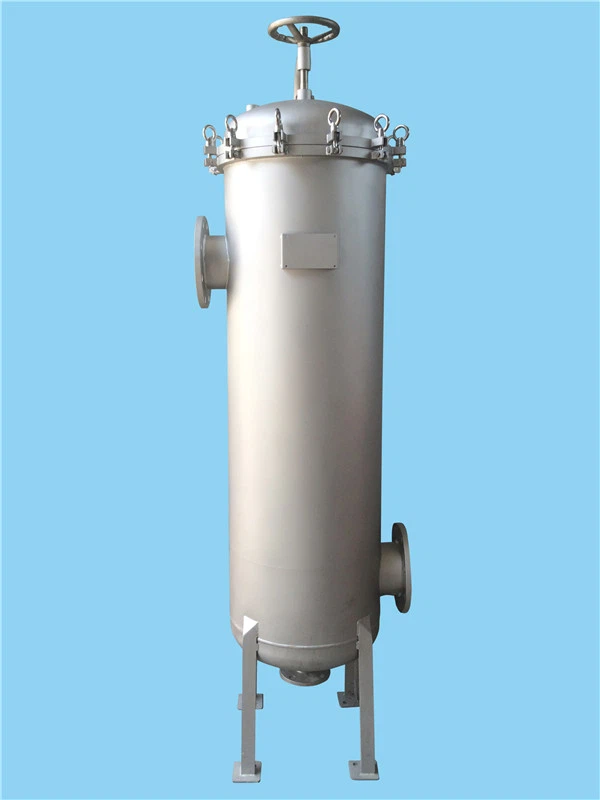
SS bag vessels, typically made from stainless steel grades such as SS304 or SS316L, are widely used in industries like food and beverage, pharmaceuticals, chemicals, and water treatment. They are designed to hold filter bags that trap contaminants and impurities from liquids or gases. The SS304/316L Bag filter housing quickly flange multi bag side in side out type is a popular choice among customers due to its efficient design and reliable performance.
Stainless steel is known for its excellent corrosion resistance, strength, and durability. These properties make it an ideal material for bag vessels as they can withstand harsh chemicals, high temperatures, and pressure. But how does stainless steel fare when it comes to odor resistance?
The Science of Odor Resistance
Odor is essentially a perception of volatile chemical compounds in the air. When these compounds come into contact with our olfactory receptors, we experience a particular smell. In the context of SS bag vessels, odor can be a concern if the vessel itself or the contents inside it emit or absorb unwanted smells.
Stainless steel has a non - porous surface, which means that it does not have microscopic holes or crevices where odor - causing substances can penetrate and accumulate. Unlike materials such as plastic or rubber, which can absorb and retain odors over time, stainless steel is less likely to hold onto smells. This non - porous nature is one of the key factors contributing to its odor - resistant properties.
Another important aspect is the chemical stability of stainless steel. It is resistant to oxidation and chemical reactions, which means that it does not readily react with odor - causing compounds in the environment. For example, in a food processing plant, where there may be strong - smelling ingredients like spices or dairy products, the SS bag vessels will not react with these substances to produce unpleasant odors.
Factors Affecting Odor Resistance
While stainless steel is inherently odor - resistant, there are some factors that can potentially affect the odor - resistance of SS bag vessels.
Surface Finish
The surface finish of the stainless steel can play a role in odor resistance. A smooth, polished surface is more likely to be odor - resistant than a rough or textured surface. A rough surface can provide more areas for odor - causing substances to adhere to, increasing the risk of odor absorption. Therefore, when choosing SS bag vessels, it is important to consider the surface finish. For instance, a mirror - polished finish is often preferred for applications where odor control is critical.
Cleaning and Maintenance
Proper cleaning and maintenance are essential to ensure the long - term odor resistance of SS bag vessels. If the vessels are not cleaned regularly, residues of the filtered substances can build up inside the vessel, leading to the growth of bacteria and the production of unpleasant odors. It is recommended to follow a strict cleaning schedule using appropriate cleaning agents that are compatible with stainless steel. For example, in a pharmaceutical manufacturing facility, the Stainless Steel Dust Collector Bag Filter Housing Quickly Flange Multi Bag Bottom in Bottom Out should be cleaned thoroughly after each use to prevent the accumulation of dust and contaminants.
The Nature of the Filtered Substances
The type of substances being filtered can also impact the odor - resistance of the SS bag vessels. If the filtered substances are highly odorous, such as certain chemicals or waste products, there is a higher chance that some of the odor may be retained in the vessel. However, with proper design and filtration techniques, the impact of these odorous substances can be minimized. For example, using high - quality filter bags with good odor - trapping capabilities can help reduce the amount of odor that reaches the vessel walls.
Real - World Applications
In the food and beverage industry, odor - resistant SS bag vessels are crucial for maintaining the quality and flavor of the products. For example, in a winery, the vessels used to filter wine need to be odor - resistant to prevent any unwanted flavors from being introduced into the wine. The Stainless Steel Multi Bag Filter Housing Industrial Bag Filters Quickly Flange Davit Arm Bottom In Bottom Out Flange can be used to filter the wine effectively while ensuring that the stainless steel construction does not impart any off - flavors.
In the pharmaceutical industry, where strict quality control is required, odor - resistant SS bag vessels are used to filter and store medications. Any odor contamination can affect the efficacy and safety of the drugs. Therefore, the use of stainless steel vessels helps to maintain a clean and odor - free environment.
Conclusion
In conclusion, SS bag vessels are generally odor - resistant due to the non - porous and chemically stable nature of stainless steel. However, factors such as surface finish, cleaning and maintenance, and the nature of the filtered substances can influence their odor - resistance. By choosing the right type of SS bag vessels, maintaining them properly, and using appropriate filtration techniques, you can ensure that your vessels remain odor - free and perform optimally.

If you are in the market for high - quality SS bag vessels, I encourage you to reach out to us for more information. We are committed to providing you with the best products and solutions for your filtration needs. Whether you are in the food and beverage, pharmaceutical, chemical, or water treatment industry, we have the expertise and experience to help you find the perfect SS bag vessels for your application. Contact us today to start a conversation about your requirements and explore how our products can benefit your business.
References
- ASM Handbook, Volume 13A: Corrosion: Fundamentals, Testing, and Protection, ASM International
- Stainless Steel in Architecture, Building, and Construction, The Nickel Institute