Can mechanical filters be used in aerospace applications?
As a seasoned supplier of mechanical filters, I've often been asked about the feasibility of using these filters in aerospace applications. The aerospace industry is one of the most demanding and high - stakes sectors, with strict requirements for safety, reliability, and performance. So, let's delve into whether mechanical filters can meet the challenges presented by aerospace environments.
Understanding Mechanical Filters
Mechanical filters are devices that remove contaminants from a fluid or gas by physical means. They work based on principles such as sieving, sedimentation, and adsorption. These filters typically consist of a housing and a filtering medium. The housing holds the filtering medium in place and provides a path for the fluid or gas to pass through, while the filtering medium captures and retains the contaminants.
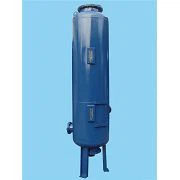
There are various types of mechanical filters, including Quick Lock Opening Multi Media Pressure Filter Housing Carbon Steel, which is designed for efficient multi - media filtration. Its quick - lock opening feature allows for easy maintenance and replacement of the filtering media. Another option is the Stainless Steel/carbon Steel Mechanical Filter Device Quartz Sand Other Double Flange Multi Media Filter Vessel For Water Filteration. This filter is suitable for water filtration and can be customized to meet specific requirements. The Stainless Steel/carbon Steel Active Carbon Medium Filter Housing Various Kinds Size Customizable is designed with active carbon as the filtering medium, which is effective in removing organic compounds and odors.
Requirements in Aerospace Applications
The aerospace environment is characterized by extreme conditions, including high altitudes, low temperatures, rapid temperature changes, and high levels of vibration. Additionally, the air and fluid systems in aerospace vehicles need to be free from contaminants to ensure the proper functioning of critical components.
In aircraft engines, for example, the intake air must be filtered to prevent dust, sand, and other debris from entering the engine. Even small particles can cause significant damage to the engine's compressor blades, combustion chambers, and turbines. Similarly, in the hydraulic systems of aircraft, filters are required to remove contaminants from the hydraulic fluid. Contaminated hydraulic fluid can lead to malfunctioning of control surfaces, landing gear, and other critical components.
Spacecraft also have stringent filtering requirements. In the life - support systems of spacecraft, air and water filters are essential to provide a clean and safe environment for astronauts. The filters need to remove carbon dioxide, bacteria, and other contaminants from the air and water.
Advantages of Mechanical Filters in Aerospace
Mechanical filters offer several advantages that make them suitable for aerospace applications. Firstly, they are relatively simple in design and operation. This simplicity translates into high reliability, which is crucial in aerospace where system failures can have catastrophic consequences.
Secondly, mechanical filters can be customized to meet the specific requirements of aerospace applications. For example, the filtering media can be selected based on the type of contaminants to be removed and the operating conditions. Active carbon filters can be used to remove organic contaminants in the air, while particulate filters can be designed to capture specific sizes of dust and debris.
Thirdly, mechanical filters can provide high - efficiency filtration. With advancements in filter technology, modern mechanical filters can achieve high levels of particle removal efficiency, ensuring that the air and fluids in aerospace systems are clean.


Challenges and Limitations
However, there are also challenges and limitations associated with using mechanical filters in aerospace applications. One of the main challenges is the weight of the filters. In aerospace, every gram of weight matters, as it directly affects the fuel consumption and payload capacity of the vehicle. Therefore, mechanical filters need to be designed to be as lightweight as possible without compromising their filtration performance.
Another challenge is the maintenance of the filters. In aerospace, access to the filters for maintenance and replacement can be difficult, especially in spacecraft. Therefore, the filters need to be designed for long - term use and easy maintenance.
The performance of mechanical filters can also be affected by the extreme conditions in aerospace environments. For example, low temperatures can cause the filtering media to become brittle, reducing their filtration efficiency. Rapid temperature changes can also lead to thermal expansion and contraction of the filter housing, which may cause leaks or damage to the filter.
Overcoming Challenges
To overcome the challenges of weight, advanced materials such as carbon fiber composites can be used in the construction of the filter housing. These materials offer high strength - to - weight ratios, allowing for the design of lightweight filters without sacrificing structural integrity.
To address the maintenance issue, self - cleaning filters can be developed. These filters use technologies such as back - flushing or electrostatic cleaning to remove the captured contaminants without the need for manual intervention. This reduces the maintenance requirements and extends the service life of the filters.
To mitigate the effects of extreme conditions, the filtering media can be treated or coated to improve their resistance to temperature changes and other environmental factors. For example, special coatings can be applied to the filtering media to prevent them from becoming brittle at low temperatures.
Conclusion
In conclusion, mechanical filters have the potential to be used in aerospace applications. Their simplicity, reliability, and customizable filtration performance make them attractive options for filtering air and fluids in aircraft and spacecraft. However, to fully realize their potential, the challenges of weight, maintenance, and performance in extreme conditions need to be addressed.
As a mechanical filter supplier, we are committed to developing innovative solutions to meet the unique requirements of the aerospace industry. We are constantly researching and developing new filter materials, designs, and technologies to improve the performance and reliability of our filters.
If you are in the aerospace industry and are interested in exploring the use of mechanical filters for your applications, we invite you to contact us for a detailed discussion. Our team of experts can provide you with customized solutions based on your specific needs and requirements. We look forward to working with you to ensure the safety and performance of your aerospace systems.
References
- "Aerospace Fluid Systems Handbook"
- "Filter Technology for Aerospace Applications"
- "Advanced Materials in Aerospace Engineering"