Hey there, beer enthusiasts! As a supplier of top - notch beer fermenters, I've seen firsthand how different factors can affect the brewing process and, most importantly, the flavor of the final product. One question that often comes up is: How does the presence of oxygen during fermentation affect beer flavor in a beer fermenter? Let's dive right in and explore this topic.
First off, let's understand the basic process of beer fermentation. Yeast plays a starring role here. When you pitch yeast into the wort (the unfermented beer), it goes to work converting sugars into alcohol and carbon dioxide. This is a complex biochemical process that is influenced by many things, including temperature, yeast strain, and yes, the presence of oxygen.
Now, oxygen is a bit of a double - edged sword in beer fermentation. In the early stages, a little bit of oxygen is actually beneficial. Yeast needs oxygen to reproduce and build cell walls. When you first aerate the wort before pitching the yeast, you're giving the yeast cells the oxygen they need to multiply. This is crucial because a larger population of healthy yeast cells can lead to a more efficient fermentation. You can check out Beer Fermentation Exposed to learn more about the early stages of fermentation.

But here's the catch: once fermentation gets going, oxygen can turn from friend to foe. During the active fermentation phase, when the yeast is busily churning out alcohol, oxygen can cause some serious problems. Oxygen can react with the compounds in the beer, leading to the formation of off - flavors. One of the most common issues is the development of oxidized flavors. These can make the beer taste cardboard - like, sherry - like, or just generally stale. No one wants to drink a beer that tastes like that!
Another problem with oxygen during fermentation is that it can promote the growth of unwanted microorganisms. Some bacteria and wild yeasts thrive in the presence of oxygen. These little critters can contaminate the beer and produce off - flavors and aromas. They can also cause the beer to become cloudy or develop a strange texture. This is why it's so important to keep oxygen out of the fermenter once fermentation has started.
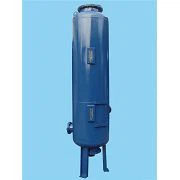
Our Stainless Steel Fermentation Tank Polished Or Sandblast External Surface Tri Clamp Ferrule Connection Size Customized is designed to help you control the oxygen levels during fermentation. The tight - fitting seals and high - quality construction prevent oxygen from sneaking into the tank. This helps to ensure that your beer ferments in a clean, oxygen - free environment, resulting in a better - tasting final product.
Let's talk a bit more about the specific flavors that can be affected by oxygen. For example, in pale ales and lagers, oxygen can cause the hop flavors to fade. Hops are what give these beers their characteristic bitterness and aroma. When oxygen reacts with the hop compounds, it can break them down, leading to a loss of flavor. This is a real bummer for hop lovers, as the fresh, citrusy, or floral hop notes are often what make these beers so appealing.

In darker beers, like stouts and porters, oxygen can cause the malt flavors to become over - roasted or burnt. These beers rely on the rich, complex flavors of malt, and oxygen can disrupt that delicate balance. Instead of the smooth, chocolatey, or coffee - like flavors you expect, you might end up with a beer that has an unpleasant, acrid taste.
The amount of time that oxygen is present in the fermenter also matters. Even a small amount of oxygen can have a big impact if it's present for a long time. That's why it's important to transfer the beer out of the fermenter as soon as fermentation is complete. Leaving the beer in contact with any residual oxygen in the fermenter can lead to further oxidation and flavor degradation.
Our Stainless Steel Industrial 500L - 10000L Fermenter Beer Wine Brewing Vessel Fementation Storage Tank is great for large - scale brewing operations. It's built to minimize oxygen exposure during both fermentation and storage. The large capacity allows you to brew a significant amount of beer at once, and the high - quality materials ensure that the beer stays fresh and flavorful.
So, how can you control the oxygen levels in your fermenter? First, make sure to aerate the wort properly before pitching the yeast. You can use an aeration stone or a stir plate to introduce oxygen into the wort. But once the yeast is in, seal the fermenter tightly. Use an airlock to allow carbon dioxide to escape while keeping oxygen out.
During the transfer process, be careful not to splash the beer. Splashing can introduce oxygen into the beer. Use a siphon or a pump to transfer the beer gently from one vessel to another. And when you're bottling or kegging the beer, use techniques to minimize oxygen pickup, like purging the bottles or kegs with carbon dioxide before filling them.
In conclusion, the presence of oxygen during fermentation can have a significant impact on beer flavor. A little bit of oxygen in the early stages is necessary for yeast growth, but too much oxygen during fermentation and storage can lead to off - flavors and a less - than - perfect beer. As a beer fermenter supplier, we're here to help you get the best results. Our fermenters are designed to give you control over the brewing process and ensure that your beer tastes great.
If you're in the market for a high - quality beer fermenter or have any questions about oxygen control in fermentation, we'd love to hear from you. Contact us to start a conversation about your brewing needs and how our products can help you create amazing beer.
References
- Kunze, Wolfgang. Technology Brewing and Malting. VLB Berlin, 2019.
- Fix, George. Principles of Brewing Science. Brewers Publications, 2004.