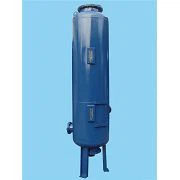
Hey there! As a supplier of fermentation tanks, I often get asked about how to adjust the flow rate of the cooling water in a fermentation tank. It's a crucial aspect of the fermentation process, and getting it right can make a huge difference in the quality and efficiency of your production. So, let's dive in and explore the ins and outs of cooling water flow rate adjustment.
Why Adjusting Cooling Water Flow Rate Matters
First off, why is it so important to adjust the flow rate of the cooling water? Well, fermentation is an exothermic process, which means it generates heat. If this heat isn't properly managed, it can have a negative impact on the fermentation process. High temperatures can cause the yeast to become stressed, leading to off-flavors and aromas in the final product. It can also increase the risk of contamination and reduce the overall efficiency of the fermentation.
By adjusting the flow rate of the cooling water, you can maintain a stable temperature inside the fermentation tank, ensuring that the yeast can work its magic in the optimal conditions. This not only improves the quality of the final product but also helps to increase productivity and reduce costs.
Factors Affecting Cooling Water Flow Rate
Before we get into how to adjust the flow rate, let's take a look at the factors that can affect it. These include:
- Fermentation tank size and design: Larger tanks generally require a higher flow rate of cooling water to maintain a consistent temperature. The design of the tank, including the type of cooling jacket or coils, can also impact the flow rate.
- Fermentation process requirements: Different fermentation processes have different temperature requirements. For example, some beer styles require a specific temperature range during fermentation to develop the desired flavors and aromas. You'll need to adjust the flow rate accordingly to meet these requirements.
- Ambient temperature: The temperature of the surrounding environment can affect the cooling efficiency of the water. In hot climates, you may need to increase the flow rate to compensate for the higher ambient temperatures.
- Cooling water temperature: The temperature of the incoming cooling water can also impact the flow rate. If the water is too warm, it may not be able to remove enough heat from the fermentation tank, and you'll need to increase the flow rate.
How to Adjust the Flow Rate
Now that we understand the importance of adjusting the flow rate and the factors that can affect it, let's take a look at how to actually do it. Here are some steps you can follow:
Step 1: Monitor the Temperature
The first step is to monitor the temperature inside the fermentation tank. You can use a temperature sensor or thermometer to do this. Make sure to place the sensor in a representative location inside the tank, away from any hot spots or areas where the cooling water may not be flowing evenly.
Step 2: Determine the Optimal Flow Rate
Based on the fermentation process requirements, the size and design of the tank, and the ambient and cooling water temperatures, you'll need to determine the optimal flow rate of the cooling water. This may require some trial and error, but you can start by referring to the manufacturer's recommendations or industry standards.
Step 3: Adjust the Flow Rate
Once you've determined the optimal flow rate, you can adjust it using a flow control valve. This valve allows you to increase or decrease the flow of cooling water into the fermentation tank. Make sure to make small adjustments and monitor the temperature closely to avoid overshooting or undershooting the desired temperature.


Step 4: Monitor and Fine-Tune
After making the initial adjustment, continue to monitor the temperature inside the fermentation tank and make any necessary fine-tuning adjustments to the flow rate. Remember, the fermentation process is dynamic, and the temperature may change over time, so you'll need to stay vigilant and make adjustments as needed.
Tips for Adjusting the Flow Rate
Here are some additional tips to help you adjust the flow rate of the cooling water in your fermentation tank:
- Use a flow meter: A flow meter can help you accurately measure the flow rate of the cooling water, making it easier to adjust it to the desired level.
- Keep a log: Keeping a log of the temperature and flow rate adjustments can help you track the performance of the fermentation process and identify any trends or issues.
- Regularly maintain the cooling system: Regular maintenance of the cooling system, including cleaning the cooling jacket or coils and checking the flow control valve, can help ensure that it is functioning properly and efficiently.
- Consider using a temperature control system: A temperature control system can automate the process of adjusting the flow rate of the cooling water, making it easier and more accurate to maintain a stable temperature inside the fermentation tank.
Our Fermentation Tanks
At our company, we offer a wide range of fermentation tanks that are designed to meet the needs of different industries and applications. Our tanks are made from high-quality stainless steel and are available in various sizes and configurations.
If you're interested in learning more about our fermentation tanks, check out our products: Beer Fermentation Exposed, Stainless Steel Fermentation Tank Polished Or Sandblast External Surface Tri Clamp Ferrule Connection Size Customized, and Stainless Steel Industrial 500L-10000L Fermenter Beer Wine Brewing Vessel Fementation Storage Tank.
Contact Us for Purchase and Negotiation
If you're looking for a reliable fermentation tank supplier and want to discuss your specific requirements, we'd love to hear from you. Contact us today to start the negotiation process and find the perfect fermentation tank for your needs.
References
- Smith, J. (2020). Fermentation Technology: Principles and Applications. Wiley.
- Jones, A. (2019). Temperature Control in Fermentation Processes. Journal of Industrial Microbiology & Biotechnology, 46(3), 291-302.