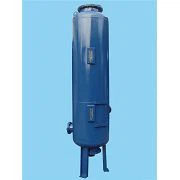
Water hardness is a crucial factor in many applications, from household use to industrial processes. Hard water, which contains high levels of dissolved minerals such as calcium and magnesium, can cause a range of problems, including scale buildup in pipes and appliances, reduced soap efficiency, and skin and hair dryness. A water softening vessel is an effective solution to mitigate these issues by removing or reducing the concentration of these minerals. As a supplier of softening vessels, I often receive questions about how to measure water hardness before and after using our products. In this blog post, I will provide a comprehensive guide on this topic.
Understanding Water Hardness
Before delving into the measurement methods, it's important to understand what water hardness is and why it matters. Water hardness is typically measured in terms of the concentration of calcium and magnesium ions in the water. These ions are naturally present in water sources such as groundwater and surface water, and their levels can vary depending on the geology of the area.
Hard water can have several negative effects. In households, it can lead to the formation of limescale in pipes, water heaters, and other appliances, reducing their efficiency and lifespan. It can also make it difficult to form a lather with soap, resulting in higher soap consumption and leaving a residue on dishes, clothes, and skin. In industrial settings, hard water can cause problems in boilers, cooling systems, and other equipment, leading to increased maintenance costs and reduced productivity.
Measuring Water Hardness Before Using a Softening Vessel
There are several methods available for measuring water hardness before using a softening vessel. Each method has its advantages and disadvantages, and the choice of method depends on factors such as the accuracy required, the cost, and the ease of use.

1. Test Strips
Test strips are one of the most convenient and affordable ways to measure water hardness. These strips are coated with chemicals that react with calcium and magnesium ions in the water, causing a color change. To use a test strip, simply dip it into a sample of the water for a few seconds, then compare the color of the strip to a color chart provided with the kit. The color chart indicates the approximate hardness level of the water.
Test strips are easy to use and provide quick results, making them suitable for home use. However, they are not as accurate as some other methods and may only provide a rough estimate of the water hardness.
2. Titration Kits
Titration kits are more accurate than test strips and are commonly used in laboratories and industrial settings. These kits typically contain a solution of a chemical that reacts with calcium and magnesium ions in the water, as well as an indicator that changes color when the reaction is complete.
To use a titration kit, a known volume of the water sample is placed in a container, and the titrant solution is slowly added until the indicator changes color. The amount of titrant solution used is then used to calculate the hardness of the water.
Titration kits require more skill and time to use than test strips, but they provide more accurate results. They are also more expensive, but they can be reused multiple times.
3. Electronic Water Hardness Meters
Electronic water hardness meters are the most accurate and convenient way to measure water hardness. These meters use sensors to measure the electrical conductivity of the water, which is related to the concentration of dissolved minerals.

To use an electronic water hardness meter, simply dip the sensor into the water sample and wait for the meter to display the hardness reading. Electronic meters are easy to use and provide instant results. They are also very accurate, but they are more expensive than test strips and titration kits.
Using a Softening Vessel to Reduce Water Hardness
Once you have measured the hardness of your water, you can determine if a softening vessel is necessary. A softening vessel works by exchanging the calcium and magnesium ions in the water with sodium or potassium ions. This process is known as ion exchange and is typically achieved using a resin bed inside the vessel.
As the hard water passes through the resin bed, the calcium and magnesium ions are attracted to the resin beads and are replaced by sodium or potassium ions. The softened water then flows out of the vessel and into your plumbing system.
There are several types of softening vessels available, including 10 inch 40 inch Stainless steel water softening automatic pressure vessel machine with or without legs and Industrial Stainless Steel Water Filter Tank Resin Softening Vessel Water Softeners. These vessels are made of high-quality materials and are designed to provide reliable and efficient water softening.
Measuring Water Hardness After Using a Softening Vessel
After installing a softening vessel, it's important to measure the water hardness again to ensure that the system is working effectively. The same methods used to measure water hardness before using the softening vessel can be used to measure it after.
It's important to note that the water hardness after using a softening vessel may not be zero, as some residual hardness may remain. However, the hardness level should be significantly reduced compared to the original water.
Factors Affecting the Performance of a Softening Vessel
Several factors can affect the performance of a softening vessel, including the hardness of the incoming water, the flow rate of the water, and the size and capacity of the vessel.
If the incoming water is very hard, the softening vessel may need to be regenerated more frequently to maintain its effectiveness. The flow rate of the water also affects the performance of the vessel, as a high flow rate may not allow enough time for the ion exchange process to occur.
The size and capacity of the vessel are also important factors. A larger vessel can handle a higher flow rate and a greater amount of hard water, while a smaller vessel may be suitable for a lower flow rate and a smaller household or industrial application.
Conclusion
Measuring water hardness before and after using a softening vessel is an important step in ensuring the effectiveness of the system. By using the appropriate measurement methods, you can determine the hardness of your water and choose the right softening vessel for your needs.
As a supplier of softening vessels, I am committed to providing high-quality products and excellent customer service. If you have any questions about water hardness measurement or our softening vessels, please feel free to contact us for more information and to discuss your specific requirements. We look forward to working with you to find the best solution for your water softening needs.
References
- "Water Hardness: What It Is and How to Deal with It." The Spruce, https://www.thespruce.com/what-is-water-hardness-1900102.
- "How to Test Water Hardness." Water Quality Association, https://www.wqa.org/learn-about-water/water-testing/how-to-test-water-hardness.
- "Water Softeners: How They Work and Why You Need One." Bob Vila, https://www.bobvila.com/articles/water-softeners/.