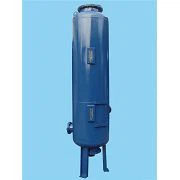
As a trusted supplier of fermentation tanks, I understand the critical importance of preventing contamination in these vessels. Contamination can lead to a variety of issues, from reduced product quality to complete batch failure, which can have significant financial implications for businesses. In this blog post, I will share some effective strategies and best practices for preventing contamination in fermentation tanks.
Understanding the Sources of Contamination
Before we delve into prevention methods, it's essential to understand the potential sources of contamination in fermentation tanks. These can be broadly categorized into three main areas:
Microorganisms
Bacteria, yeast, molds, and other microorganisms are the most common contaminants in fermentation processes. They can enter the tank through various means, such as raw materials, air, water, or equipment surfaces. Once inside the tank, these microorganisms can compete with the desired culture for nutrients and produce unwanted by - products, altering the quality and characteristics of the final product.
Chemical Contaminants
Chemicals such as cleaning agents, lubricants, and residues from previous batches can also contaminate fermentation tanks. If not properly removed during the cleaning process, these chemicals can interfere with the fermentation process and affect the viability of the culture.
Physical Contaminants
Particulate matter, such as dust, dirt, and debris, can enter the tank and cause blockages in pipes, valves, and other components. Physical contaminants can also provide a surface for microorganisms to attach and grow, increasing the risk of contamination.
Design and Construction of Fermentation Tanks
The design and construction of fermentation tanks play a crucial role in preventing contamination. Here are some key considerations:
Material Selection
Stainless steel is the preferred material for fermentation tanks due to its corrosion resistance, ease of cleaning, and smooth surface finish. A high - quality Stainless Steel Fermentation Tank Polished Or Sandblast External Surface Tri Clamp Ferrule Connection Size Customized can minimize the risk of microbial growth and chemical reactions. The smooth surface of stainless steel makes it difficult for microorganisms to adhere, and it can withstand aggressive cleaning agents without deteriorating.
Tank Design
The tank should be designed with smooth, rounded corners and no dead spots where liquid or debris can accumulate. A well - designed tank should also have proper drainage to ensure that all liquid can be completely removed during cleaning. Additionally, the tank should be equipped with appropriate ports and connections that can be easily sealed to prevent the entry of contaminants.
Sealing and Gaskets
Proper sealing is essential to prevent the ingress of air, water, and microorganisms. High - quality gaskets made from materials such as silicone or EPDM should be used to ensure a tight seal. These gaskets should be regularly inspected and replaced if they show signs of wear or damage.
Cleaning and Sanitization
Regular cleaning and sanitization are the most effective ways to prevent contamination in fermentation tanks.
Cleaning Procedures
Before each new batch, the tank should be thoroughly cleaned to remove all residues from the previous fermentation. This typically involves a multi - step process:
- Pre - rinse: Use warm water to flush out any loose debris and large particles from the tank.
- Detergent cleaning: Apply a suitable detergent to the tank surfaces and use mechanical agitation, such as spraying or scrubbing, to remove stubborn residues. The detergent should be compatible with the tank material and the fermentation process.
- Rinse: Thoroughly rinse the tank with clean water to remove all traces of the detergent.
Sanitization
After cleaning, the tank should be sanitized to kill any remaining microorganisms. Common sanitizing agents include chlorine - based compounds, peracetic acid, and hydrogen peroxide. The sanitizing agent should be applied according to the manufacturer's instructions, and the tank should be allowed to soak for the recommended time.
Validation of Cleaning and Sanitization
It's important to validate the effectiveness of the cleaning and sanitization procedures. This can be done through microbiological testing of tank surfaces and samples of the final rinse water. If the test results indicate the presence of contaminants, the cleaning and sanitization process should be repeated.
Air and Water Quality
The quality of air and water used in the fermentation process can have a significant impact on contamination levels.
Air Filtration
The air entering the fermentation tank should be filtered to remove dust, microorganisms, and other contaminants. High - efficiency particulate air (HEPA) filters are commonly used to achieve this. These filters can remove particles as small as 0.3 microns with a high degree of efficiency.
Water Treatment
Water is a key component in fermentation processes, and it should be treated to remove impurities and microorganisms. Common water treatment methods include filtration, reverse osmosis, and ultraviolet (UV) disinfection. The treated water should meet the quality standards required for the specific fermentation process.
Operator Training and Hygiene
Operators play a vital role in preventing contamination in fermentation tanks. Proper training and hygiene practices are essential.
Training
Operators should be trained on the proper operation of the fermentation tank, including cleaning and sanitization procedures, air and water quality control, and monitoring for signs of contamination. They should also be educated on the importance of following standard operating procedures (SOPs) to minimize the risk of contamination.
Hygiene
Operators should follow strict hygiene practices, such as wearing clean clothing, hairnets, and gloves. They should also wash their hands thoroughly before and after handling the fermentation tank and its contents.
Monitoring and Control
Regular monitoring and control are necessary to detect and prevent contamination in fermentation tanks.
Microbiological Monitoring
Periodic microbiological testing of the fermentation broth and tank surfaces can help detect the presence of contaminants early. This can involve techniques such as plating on selective media, microscopy, and molecular methods.

Process Monitoring
Monitoring key process parameters, such as temperature, pH, and dissolved oxygen, can also provide valuable information about the health of the fermentation process. Any significant deviations from the normal range may indicate the presence of contamination or other issues.
Conclusion
Preventing contamination in fermentation tanks is a complex but essential task. By focusing on the design and construction of the tank, implementing effective cleaning and sanitization procedures, controlling air and water quality, training operators, and monitoring the process, businesses can significantly reduce the risk of contamination and ensure the quality and consistency of their fermentation products.
If you are interested in learning more about our high - quality fermentation tanks or have any questions regarding contamination prevention, please feel free to contact us for procurement and further discussions. We are committed to providing you with the best solutions for your fermentation needs.
References
- Bailey, J. E., & Ollis, D. F. (1986). Biochemical Engineering Fundamentals. McGraw - Hill.
- Doran, P. M. (1995). Bioprocess Engineering Principles. Academic Press.
- Stanbury, P. F., Whitaker, A., & Hall, S. J. (2017). Principles of Fermentation Technology. Elsevier.