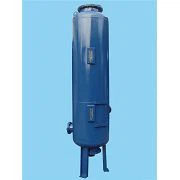
As a seasoned supplier of Membrane Housing, I've witnessed firsthand the challenges that come with maintaining the integrity of fiberglass membrane housings. Cracking in these housings can lead to significant issues, including reduced filtration efficiency, leaks, and even system failures. In this blog post, I'll share some practical tips on how to prevent cracking in a fiberglass membrane housing, drawing on my years of experience in the industry.
Understanding the Causes of Cracking
Before we delve into prevention strategies, it's essential to understand the common causes of cracking in fiberglass membrane housings. Several factors can contribute to this problem, including:
- Thermal Stress: Fiberglass is sensitive to temperature changes. Rapid temperature fluctuations can cause the material to expand and contract, leading to stress fractures over time. For example, if a membrane housing is exposed to extreme cold followed by sudden heating, the resulting thermal shock can weaken the fiberglass and cause cracks to form.
- Mechanical Stress: Physical impacts, vibrations, or improper installation can also subject the membrane housing to mechanical stress. If the housing is not properly supported or is tightened too much during installation, it can develop cracks. Additionally, any external force, such as a collision with an object, can damage the fiberglass and compromise its structural integrity.
- Chemical Exposure: Certain chemicals can react with fiberglass, causing it to degrade and become brittle. Exposure to harsh chemicals, such as strong acids or alkalis, can weaken the material and make it more prone to cracking. This is particularly important to consider in industrial or chemical processing applications where the membrane housing may come into contact with a variety of chemicals.
- Aging and Wear: Over time, fiberglass can naturally degrade due to exposure to environmental factors, such as sunlight, moisture, and oxygen. This aging process can make the material more brittle and less resistant to cracking. Regular use and wear can also contribute to the deterioration of the membrane housing, especially if it is not properly maintained.
Prevention Strategies
Now that we understand the causes of cracking, let's explore some effective prevention strategies that can help keep your fiberglass membrane housing in top condition.
1. Proper Installation
- Follow Manufacturer Guidelines: Always follow the manufacturer's installation instructions carefully. This includes using the correct tools, torque specifications, and sealing materials. Improper installation can put unnecessary stress on the housing and increase the risk of cracking.
- Provide Adequate Support: Ensure that the membrane housing is properly supported to prevent excessive vibrations and movement. Use brackets, clamps, or other support structures to secure the housing in place. This will help distribute the weight evenly and reduce the likelihood of mechanical stress.
- Avoid Over-Tightening: When installing the housing, be careful not to over-tighten the bolts or fittings. Over-tightening can cause the fiberglass to crack or deform. Use a torque wrench to ensure that the bolts are tightened to the recommended specifications.
2. Temperature Management
- Control Operating Temperatures: Keep the operating temperature of the membrane housing within the recommended range. Avoid exposing the housing to extreme temperatures or rapid temperature changes. If necessary, use insulation or temperature control devices to maintain a stable temperature.
- Allow for Thermal Expansion: Provide sufficient space for the housing to expand and contract with temperature changes. This can help prevent thermal stress and cracking. For example, leave some clearance between the housing and other components to allow for movement.
3. Chemical Compatibility
- Choose the Right Chemicals: When using chemicals in your filtration system, make sure they are compatible with fiberglass. Check the chemical compatibility chart provided by the manufacturer to ensure that the chemicals you are using will not damage the housing.
- Flush the System Regularly: Regularly flush the membrane housing with clean water to remove any chemical residues. This will help prevent chemical buildup and reduce the risk of chemical damage.
4. Regular Maintenance
- Inspect the Housing Regularly: Conduct regular visual inspections of the membrane housing to check for signs of damage or wear. Look for cracks, scratches, or other defects. If you notice any issues, address them immediately to prevent further damage.
- Clean the Housing: Keep the membrane housing clean to prevent the buildup of dirt, debris, and contaminants. Use a mild detergent and a soft brush to clean the housing. Avoid using abrasive cleaners or tools that could scratch the fiberglass.
- Replace Worn Parts: Over time, certain parts of the membrane housing, such as gaskets and O-rings, may wear out. Replace these parts regularly to ensure a proper seal and prevent leaks.
5. Protection from Physical Damage
- Install Protective Barriers: If the membrane housing is located in an area where it is at risk of being damaged by physical impacts, consider installing protective barriers or guards. This will help prevent collisions and reduce the risk of cracking.
- Handle with Care: When handling the membrane housing, be careful not to drop or bump it. Use proper lifting techniques and equipment to avoid causing damage.
Additional Resources
If you're interested in learning more about membrane housing and water filtration systems, I recommend checking out the following resources:
- Multi Stage Whole House Water Filter: This page provides detailed information about our multi-stage whole house water filter, which uses a fiberglass membrane housing for efficient filtration.
- Whole Of House Water Filter: Learn more about our whole of house water filter, which is designed to provide clean and safe water for your entire home.
- Whole House Water Filter Announce: Stay up-to-date with the latest news and announcements about our whole house water filter products.
Contact Us for Purchasing and Consultation
If you're looking for high-quality fiberglass membrane housings or need advice on preventing cracking in your existing housing, please don't hesitate to contact us. Our team of experts is here to help you find the right solution for your specific needs. Whether you're a homeowner, a business owner, or an industrial user, we can provide you with the products and support you need to ensure the optimal performance of your filtration system.


References
- ASTM International. (20XX). Standard Practice for Installation of Fiberglass Reinforced Plastic (FRP) Equipment.
- Fiberglass Manufacturers Association. (20XX). Guide to Fiberglass Reinforced Plastic Materials and Applications.
- Water Quality Association. (20XX). Water Treatment Systems: A Guide for Homeowners.