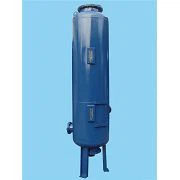
Hey there! As a supplier of SS304 water tanks, I've seen my fair share of damaged tanks. And let me tell you, it can be a real headache for customers. But don't worry, I'm here to walk you through the process of repairing a damaged SS304 water tank.
1. Assess the Damage
The first step in repairing a damaged SS304 water tank is to figure out what's wrong. You gotta take a good look at the tank and see where the problem is. Is there a small crack, a big hole, or maybe some corrosion?
If it's a small crack, you might be able to fix it yourself. But if it's a large hole or extensive corrosion, you might need to call in a professional.
2. Gather Your Tools and Materials
Once you've assessed the damage, it's time to gather the tools and materials you'll need for the repair. Here's a list of the basic stuff:
- Safety gear: gloves, goggles, and a mask. You don't want to get any metal shavings or chemicals in your eyes or lungs.
- Cleaning supplies: a wire brush, sandpaper, and a cleaning solution. You need to clean the damaged area before you start the repair.
- Welding equipment: if you're going to weld the tank, you'll need a welding machine, welding rods, and a welding helmet.
- Patching materials: depending on the type of damage, you might need a stainless - steel patch, epoxy resin, or a sealant.
3. Clean the Damaged Area
Before you can start the actual repair, you need to clean the damaged area thoroughly. Use a wire brush to remove any rust, dirt, or debris from the surface. Then, use sandpaper to smooth out the area around the damage.
After that, clean the area with a cleaning solution to remove any remaining grease or oil. This step is really important because it ensures that the patching material or the weld will adhere properly.
4. Repairing Small Cracks
If you've got a small crack in the SS304 water tank, you can try to repair it with epoxy resin. First, mix the epoxy resin according to the manufacturer's instructions. Then, apply the epoxy to the crack using a putty knife. Make sure to fill the crack completely and smooth out the surface.
Let the epoxy dry for the recommended time. Once it's dry, you can sand the area to make it smooth. This is a relatively easy and cost - effective way to fix small cracks.

5. Fixing Holes
For small holes, you can use a stainless - steel patch. Cut the patch to a size that is slightly larger than the hole. Then, clean the patch and the area around the hole.
You can use a welding machine to weld the patch to the tank. If you're not experienced with welding, it's a good idea to practice on a scrap piece of stainless steel first. Make sure to use the correct welding settings for SS304 stainless steel.
After welding, grind down the weld to make it smooth and flush with the surface of the tank.
6. Dealing with Corrosion
Corrosion is a common problem with SS304 water tanks, especially if they're exposed to harsh chemicals or water with a high mineral content.
To deal with corrosion, first, remove the corroded material using a wire brush or a grinder. Then, clean the area with a rust remover.
Once the area is clean, you can apply a corrosion - resistant coating to prevent further corrosion. There are many different types of coatings available on the market, so choose one that is suitable for stainless - steel water tanks.
7. Testing the Repaired Tank
After you've completed the repair, it's important to test the tank to make sure it's working properly. Fill the tank with water and check for any leaks. If you find any leaks, you'll need to go back and fix them.
You can also check the water pressure to make sure it's within the normal range. If the water pressure is too high or too low, there might be other issues with the tank or the plumbing system.
8. Preventing Future Damage
Once you've repaired the tank, you want to make sure it doesn't get damaged again. Here are some tips:
- Regular maintenance: Inspect the tank regularly for signs of damage, corrosion, or leaks. Clean the tank periodically to prevent the buildup of dirt and debris.
- Water treatment: If your water has a high mineral content or is acidic, consider installing a water treatment system. This can help reduce the risk of corrosion.
- Proper installation: Make sure the tank is installed correctly and is supported properly. Improper installation can lead to stress on the tank and cause damage over time.
As a SS304 water tank supplier, I offer a wide range of high - quality water tanks. If you're interested in learning more about our products, you can check out these links: Stainless Steel Water Tank Ellipse, Water Pressure Tank/pressure Water Tank, and Stainless Steel Water Storage Pressure Filter Tank Ellipse Sanitary Water Tank Flange Ferrule Types.
If you have any questions about our products or need help with tank repair, don't hesitate to reach out. We're here to assist you with all your water - tank needs. Whether you're looking to buy a new tank or need advice on maintaining your existing one, we've got you covered. Contact us to start a purchase negotiation, and let's find the perfect water - tank solution for you.
References
- "Stainless Steel Handbook" by ASM International
- Manufacturer's guides for SS304 water tanks
- Online resources on stainless - steel welding and repair techniques