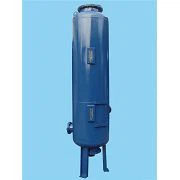
Hey there! As a pressure filter supplier, I've seen firsthand the amazing benefits of using pressure filters in series. Let's dive right into why this setup is a game - changer.
Enhanced Filtration Efficiency
One of the most significant advantages of using pressure filters in series is the enhanced filtration efficiency. When you have a single pressure filter, it can only do so much. It has a certain capacity to trap contaminants, and once it reaches that limit, its performance starts to decline. But when you connect pressure filters in series, each filter can target different types of contaminants or remove them at different levels.
For example, the first filter in the series can be a coarse - filter that catches the large particles like sand, debris, and rust. This pre - filtration step takes a huge load off the subsequent filters. The second filter can then focus on finer particles such as silt and some of the smaller organic matter. The third filter might be designed to remove even tinier contaminants like certain chemicals or heavy metals.
Take our Quick Lock Opening Multi Media Pressure Filter Housing Carbon Steel as an example. It can be the first line of defense in a series setup. Its quick - lock opening feature allows for easy maintenance and replacement of the filter media. After the large particles are removed by this filter, the water or fluid can then move on to the next filter in the series, which can be more specialized and efficient in dealing with smaller contaminants.
Extended Filter Lifespan
Another great advantage is that using pressure filters in series can significantly extend the lifespan of each individual filter. Since the first filter in the series takes care of the larger and more abundant contaminants, the subsequent filters are exposed to a much cleaner fluid. This means that they don't get clogged as quickly.
Let's say you're using a single filter to handle all types of contaminants. It will get overloaded with large particles very fast, and you'll have to replace it frequently. But when you use filters in series, the large - particle filter will bear the brunt of the contamination, and the other filters will work under much more favorable conditions.
Our Stainless Steel/carbon Steel Lining Rubber Water Filter Multi Media Tank With Media Sand Or Ative Carbon can be a great addition to a series. The lining rubber provides protection against corrosion, and the multi - media setup can handle a variety of contaminants. When placed in a series, it can contribute to the overall longevity of the filtration system by sharing the filtration load.


Customized Filtration
Using pressure filters in series allows for highly customized filtration. Different industries and applications have different filtration requirements. For instance, in the food and beverage industry, the filtration needs are very strict to ensure product safety and quality. They might need to remove not only physical particles but also bacteria, viruses, and certain chemical compounds.
In a series setup, you can choose different types of filters based on your specific needs. You can combine a sediment filter, a carbon filter, and a membrane filter in series to achieve a comprehensive filtration solution. Our Stainless Steel/carbon Steel Active Carbon Medium Filter Housing Various Kinds Size Customizable is a great option for those who need to remove organic compounds, chlorine, and bad odors. You can place it in the series at the appropriate position to meet your specific filtration goals.
Improved System Reliability
A series of pressure filters provides an extra layer of reliability to your filtration system. If one filter fails or malfunctions, the other filters can still continue to operate and provide a certain level of filtration. This is crucial in applications where continuous filtration is essential, such as in water treatment plants or industrial processes.
For example, if the first filter in the series gets blocked due to an unexpected surge in contaminants, the subsequent filters can still filter out the remaining contaminants to some extent. This gives you time to address the issue with the faulty filter without completely shutting down the filtration process.
Cost - Effectiveness in the Long Run
Although setting up a series of pressure filters might seem more expensive initially, it's actually cost - effective in the long run. As we mentioned earlier, the extended filter lifespan means that you don't have to replace the filters as often. This reduces the cost of filter replacements.
Also, the enhanced filtration efficiency can lead to better - quality output. In industrial processes, this can result in less product waste and higher - quality products, which can translate into more profits. In water treatment, it can lead to cleaner water that meets higher standards, reducing the potential for costly water - related problems.
Flexibility in System Design
Using pressure filters in series offers a high degree of flexibility in system design. You can easily add or remove filters from the series based on your changing filtration needs. If you find that your process is generating more of a certain type of contaminant, you can add a specialized filter to the series to handle it.
This flexibility also allows for easy upgrades to your filtration system. As new and more advanced filter technologies become available, you can simply replace one or more of the filters in the series with the newer models without having to overhaul the entire system.
Better Control over Filtration Parameters
When you use pressure filters in series, you have better control over the filtration parameters. You can adjust the flow rate, pressure, and filtration media in each filter independently. This allows you to optimize the filtration process for different types of fluids and contaminants.
For example, you can set a lower flow rate in the first filter to ensure that it has enough time to capture the large particles effectively. Then, you can increase the flow rate in the subsequent filters if they are designed to handle the cleaner fluid more efficiently.
Ideal for High - Contaminant Loads
If you're dealing with a fluid that has a high - contaminant load, using pressure filters in series is a must. A single filter would quickly become overwhelmed and ineffective. But a series of filters can work together to handle the large volume of contaminants.
In industries such as mining, where the water used in the processes is often highly contaminated with sediment, heavy metals, and other pollutants, a series of pressure filters can provide a reliable and efficient filtration solution.
Conclusion
In conclusion, using pressure filters in series offers a wide range of advantages, including enhanced filtration efficiency, extended filter lifespan, customized filtration, improved system reliability, cost - effectiveness, flexibility in system design, better control over filtration parameters, and suitability for high - contaminant loads.
If you're interested in setting up a pressure filter series for your application, we'd love to talk to you. Whether you're in the water treatment, industrial, or any other industry that requires filtration, our team of experts can help you design the perfect filtration system using our high - quality pressure filters. Contact us to start a discussion about your specific needs and how we can provide you with the best filtration solution.
References
- "Filtration Handbook" by Christopher D. Metcalf
- "Industrial Water Treatment" by William P. Asquith